- Latest Houthi move means Yemeni businesses importing goods through Aden or Al-Mukalla ports in southern Yemen will be required to pay levies twice
- Yemeni government has reiterated its threats to close Sanaa airport, and restrict the movement of fuel and goods ships through Hodeidah ports
AL-MUKALLA: The Iran-backed Houthis have slapped a 100 percent levy on items imported through government-controlled ports, the latest in a series of moves aimed at straining Yemen government finances.
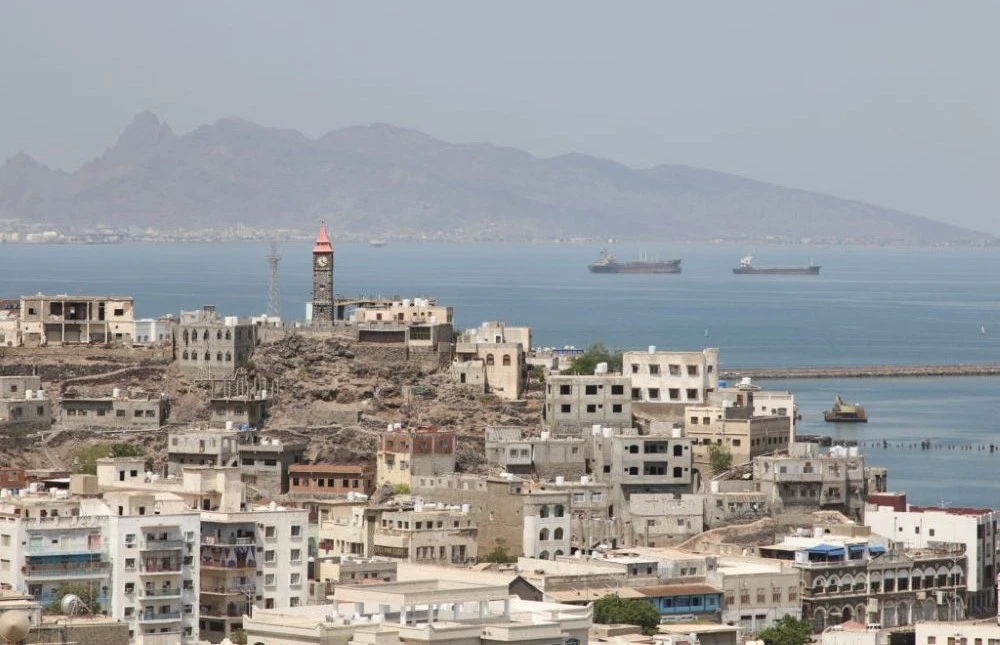
The Houthi Ministry of Finance said that any products imported through Aden port and other government-controlled ports or land crossings will be subject to the same tax and customs fees as those imported through the port of Hodeidah when they pass through their checkpoints.
Traders will be required to pay the taxes in cash at Houthi checkpoints in Sanaa, Taiz and Al-Bayda in order to enter markets controlled by the militia.
In an effort to deplete Yemeni government finances, the Houthis launched drone strikes on oil facilities in the southern provinces of Shabwa and Hadramout, halting oil exports. The militia also banned gas imports from the government-controlled city of Marib and forced local traders to redirect their goods from Aden port to Hodeidah port.
The latest Houthi move means Yemeni businesses importing goods through Aden or Al-Mukalla ports in southern Yemen will be required to pay levies twice, once for the government and once for the Houthis.
Yemen’s Minister of Information, Muammar Al-Eryani, described the levy as a “new escalation” by the militia in order to strain the Yemeni government’s finances, forcing it to miss payments for public employees and abandon other responsibilities.
Al-Eryani warned that the Houthi economic war will worsen the humanitarian crisis in the country and bring about an economic catastrophe.
“We renew the warning against the continuation of the Houthi militia in its escalatory course, which exacerbates the deteriorating human suffering, and threatens the collapse of the economic conditions,” he said.
As with previous Houthi economic measures, the Yemeni government has reiterated its threats to close Sanaa airport, and restrict the movement of fuel and goods ships through Hodeidah ports, the two primary facilities that the government granted to the Houthis under the UN-brokered ceasefire.
“We affirm that the government will not stand idly by in the face of this dangerous escalation, and will be forced to reconsider the facilities related to the re-operation of the port of Hodeidah, and take the necessary measures that preserve the interests and capabilities of the Yemeni people.”
Yemeni economists and government officials argue that the Houthis imposed high taxes to make it difficult for traders to import products through Aden, taking advantage of the fact that more than 70 percent of the Yemeni population lives in Houthi-controlled areas.
“This is part of complicating matters for businesses who import through the government ports and attempting to force them to use shipping lines that go straight to the port of Hodeidah,” Mustafa Nasr, director of the Studies and Economic Media Center, told Arab News on Tuesday.
Houthi economic measures against government-controlled ports have resulted in a significant decline in customs and tax revenues for the government, as traders bowed to pressure and imported products through Hodeidah, experts said.
“The decrease in the volume of products passing through the port of Aden and other (government) ports has resulted in a decline of up to 70 percent in government revenues from taxes and customs fees,” Nasr said.
International organizations released reports indicating a significant decline in imports through government-controlled ports and an increase in the flow of products through Houthi-controlled ports.
Food imports through the Houthi-controlled Hodeidah and Salif ports reached 2,038 metric tons compared with 693 tons imported through the government’s Aden and Al-Mukalla ports in the first half of this year, according to a report released by the World Food Program on Aug. 10.