
Blind Saudi photographer credits ‘artistic sense’ for her creative images

1 / 6
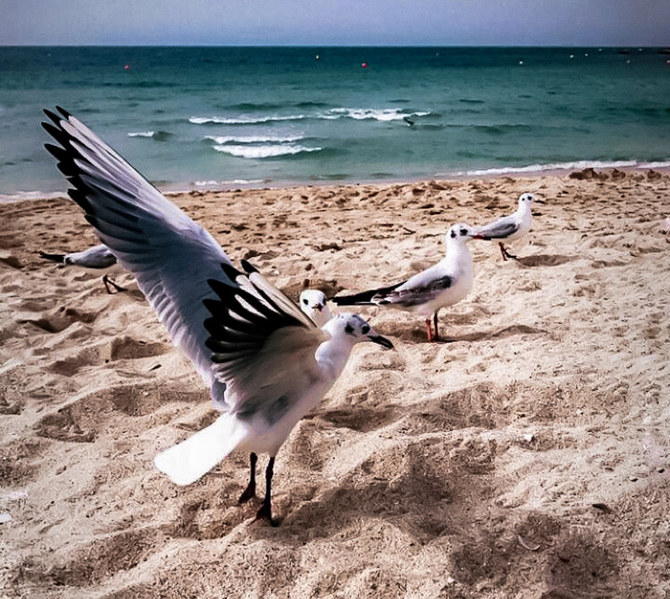
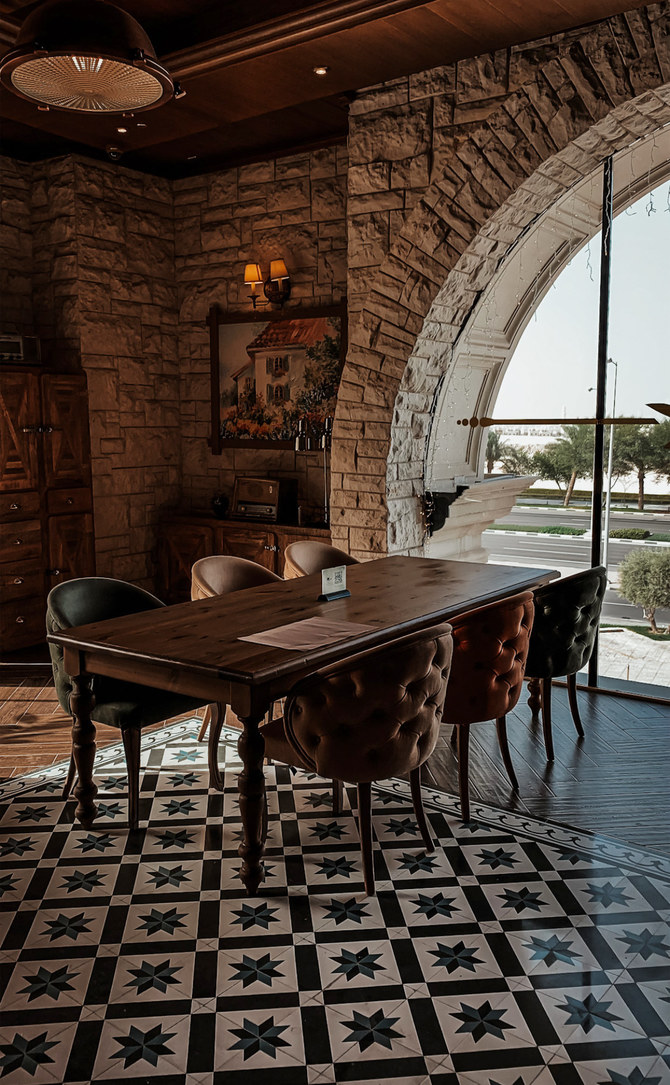
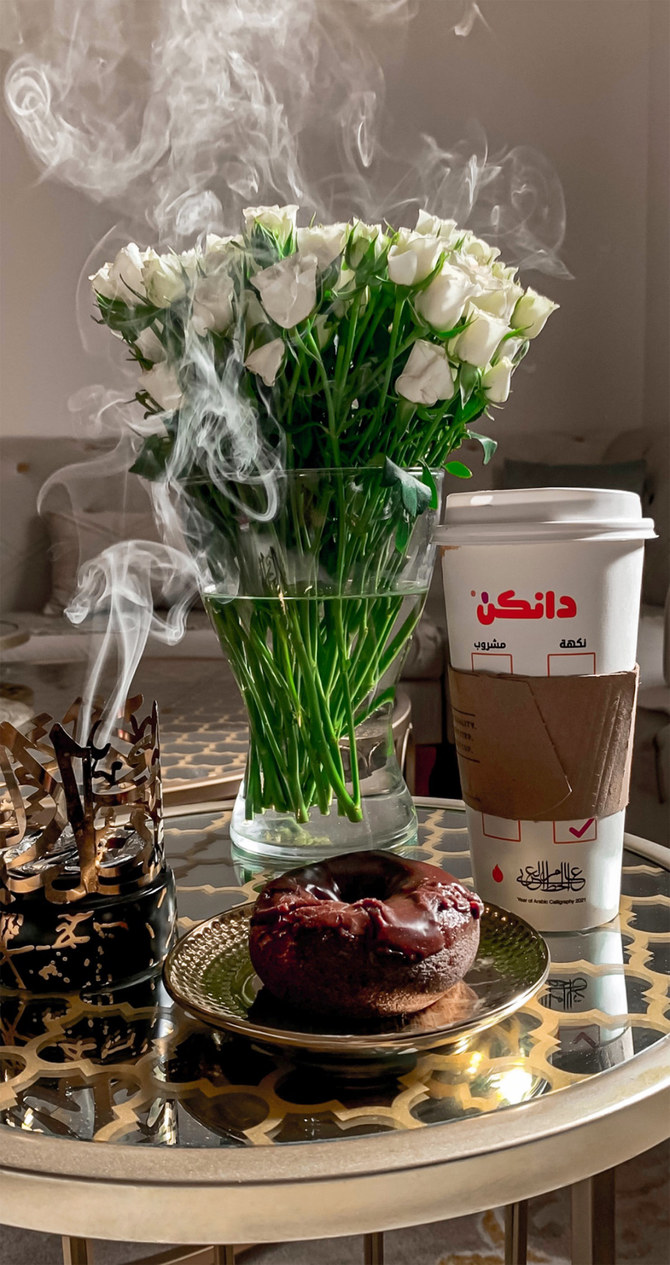
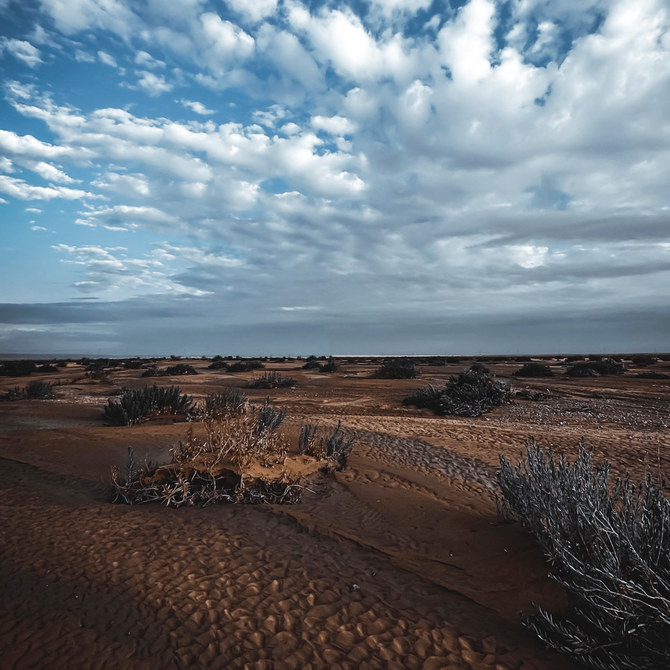
Amjad Al-Mutairi is blind in her left eye and has almost no sight in her right. To pursue photography, she uses programs for the blind that depict and explain the picture. (Supplied)
2 / 6
Meet Amjad Al-Mutairi, a Saudi blind photographer who depicts pictures with her artistic senses. (Supplied)
3 / 6
Al-Mutairi aspires to become a model in order to demonstrate that her disability will not prevent her from excelling in any way. (Supplied)
4 / 6
Al-Mutairi can see 20 out of 400 in her right eye and she doesn’t see from her left eye but despite her blindness, she became a photographer that uses programs for the blind to depict and explain the picture. (Supplied)
5 / 6
Al-Mutairi can see 20 out of 400 in her right eye and she doesn’t see from her left eye but despite her blindness, she became a photographer that uses programs for the blind to depict and explain the picture. (Supplied)
6 / 6
Al-Mutairi can see 20 out of 400 in her right eye and she doesn’t see from her left eye but despite her blindness, she became a photographer that uses programs for the blind to depict and explain the picture. (Supplied)
Short Url
Updated 08 August 2023
Follow

Blind Saudi photographer credits ‘artistic sense’ for her creative images

  • ‘Disability does not hinder,’ says young Saudi photographer and social media star born blind due to a rare disorder

RIYADH: Amjad Al-Mutairi was born without sight due to a rare condition, but that has not stopped her from adopting a positive attitude to life and establishing herself as a social media star of photography.

The 20-year-old was diagnosed with arterial tortuosity syndrome at birth. This extremely rare genetic disorder is characterized by lengthening and twisting or distortion of arteries in the body, and can result in life-threatening complications.

She was also born seven months prematurely and with a defect in her left eye that left her with a squint.


Amjad Al-Mutairi, Saudi photographer

No one else in her family has the genetic condition, and it has been a great challenge for Al-Mutairi.

“In my childhood days, I suffered from bullying, and it reached the point where I was ashamed of my appearance, which seemed strange to others. I just wanted to live a normal life without being bullied or ridiculed for how I look,” she told Arab News.

Despite these difficulties, she worked hard to pursue her passion for photography and came up with the concept for a camera that can be used by blind people and has a voice output.

HIGHLIGHTS

• Amjad Al-Mutairi won a contest in 2019 for her creative idea to make a camera equipped for the blind.

• She is a media student at King Saud University.

• On TikTok, Al-Mutairi sometimes shows the facilities provided at the university for people with disabilities.

“I won first place in the Talent Creativity contest 2019 at the level of Majmaah governorate, one of the Riyadh city governorates. My creative idea was to make a camera equipped for the blind, but it is just an idea that I would like to make it a reality one day,” she added.  

Al-Mutairi is blind in her left eye and has almost no sight in her right. To pursue photography, she uses programs for the blind that depict and explain the picture.  

She was told at first that it was impossible for her to become a photographer, but she persisted. “When I first started photography, I joined an online class, but the instructor told me that I cannot be a photographer because of my condition.

“I learned photography with the help of some programs that describe the image, and I have a creative and artistic sense that guides me through the picture.”

Al-Mutairi has developed an instinct for photography, and it is not just about clicking a button.

Speaking about how personal the process is, she said: “I believe that photographing happy events and diaries depends on the photographer’s feelings that they convey to the viewer. Therefore, I always say that I take the picture in my senses before my vision, because it is feelings before, they express beauty.”

Whoever suffers from a congenital defect should not hide it, but rather live their life as the rest of people do because true beauty is complemented by the human spirit and is not only in form.

Amjad Al-Mutairi, Saudi photographer

When the fledgling photographer joined TikTok, she was overwhelmed by the positive feedback from people who supported and encouraged her, and told her that she gives them hope.

Al-Mutairi said that she was glad to have joined the platform because it has helped to spread the message that “disability does not hinder, but rather is the motivation for us to live.”

She added: “Whoever suffers from a congenital defect should not hide it, but rather live their life as the rest of people do because true beauty is complemented by the human spirit and is not only in form.”  

Al-Mutairi is a media student at King Saud University. In some of her TikTok videos, she shows the facilities provided at the university for people with disabilities, such as the incorporation of braille, a system of touch reading and writing for the blind, and special pathways for easy accessibility.

“In King Saudi University, they embrace my talents, push me to success and excellence, and provide me with all the means that support equality,” she said.

Al-Mutairi aspires to become a model in order to show that her disability will not prevent her from excelling in any activity she chooses.


Minzal brings Saudi traditions to life in Diriyah

Updated 07 January 2026
Follow

Minzal brings Saudi traditions to life in Diriyah

  • From leather crafts and archery to Saudi coffee, Minzal offers a lesson in ‘Sloum Al-Arab’

RIYADH: This season of Minzal places social norms and traditional etiquette at its center, with tents set up to teach what is locally known as “Sloum Al-Arab” alongside gatherings for coffee, dinner and stargazing around campfires.

“Sloum Al-Arab” refers to the unwritten customers and values that have shaped Arab and Bedouin society for centuries, including generosity, coffee preparation, courage and archery. 

In Saudi Arabia, these traditions are closely ties to cultural identity and religious belief. 

Leather products and the making of leather goods is one of the crafts featured at Minzal this year and is one of the oldest crafts still practiced in the kingdom.

“The most difficult thing I faced to work on was camel leather because it is a little tough,” Nada Samman, a leather trainer and craftsman at Minzal, told Arab News. 

Minzal continues to evolve with each season, offering activities that highlight Bedouin values, traditional skills and sports. (AN photo by Haifa Alshammari)

“The work on leather is wonderful whether it is goat leather, cow leather, Sawakni sheep, and of course, camel leather. At Minzal, we are offering multiple handicraft workshops, most specifically the leather handicrafts. We want visitors to spend time at something useful and fun."

Samman explained the workshops allowed participants to preserve heritage while engaging in meaning, hands on activities. 

Faisal Al-Khaled, a visual artist and craftsman specializing in Saudi designs at Minzal, shared a similar goal: “I want people to have, by the end of this experience, a unique and traditional art piece created by them, and that I know I helped them to preserve this craft.”

Minzal, which has been organized for several years now, continues to evolve with each season, offering activities that highlight Bedouin values, traditional skills and sports. Archery is a key feature, reflecting its deep roots in Arab and Islamic history.

Mohammed Al-Sharif, a certified archery player and coach with the Saudi Archery Federation since 2028, said the sport was closely connected to Saudi culture. It was encouraged by the Prophet Muhammad, which led people to learn and teach it through generations.

“Our traditional bow is considered one of the most important and widely used bows in Arab culture,” Al-Sharif said. “We have several styles, and professional archers specializing in traditional bow shooting … There are various types of archery, such as horseback archery and standing archery, where bow sizes vary according to specific needs, such as types used for hunting and others used during warfare.”

He explained that archery was historically part of daily life, used for protection and hunting. 

Saudi coffee also plays a significant role in the Minzal experience, with live demonstrations. One of the most frequently consumed beverages in the Kingdom, it is a symbol of hospitality and generosity.

Ahmed Al-Shuaibi explained how it was prepared at the Sloum tent, first by roasting the beans and then allowing them to cool. The beans are ground with spices in a Nigr.

“Coffee is passed from our grandparents,” he added. “In significant majlis, you see them offering our local coffee and not other types of coffee. We organized this corner so that young generations can visit and learn this.”