- Move comes after Iran tried to seize two oil tankers near the strait last week, opening fire on one of them
- US says also considering a number of military options to address increasing Russian aggression in Syrian skies
WASHINGTON: The US is beefing up its use of fighter jets around the strategic Strait of Hormuz to protect ships from Iranian seizures, a senior defense official said Friday, adding that the US is increasingly concerned about the growing ties between Iran, Russia and Syria across the Middle East.
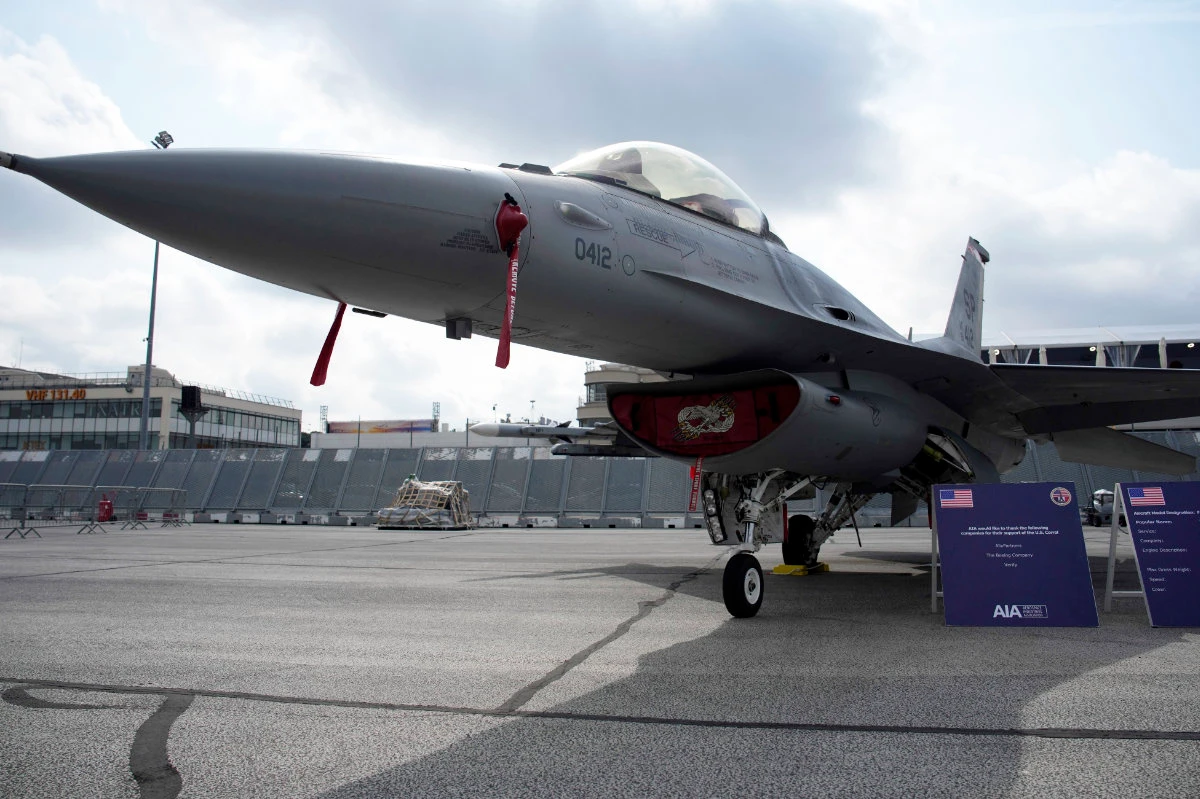
Speaking to Pentagon reporters, the official said the US will send F-16 fighter jets to the Gulf region this weekend to augment the A-10 attack aircraft that have been patrolling there for more than a week. The move comes after Iran tried to seize two oil tankers near the strait last week, opening fire on one of them.
The defense official, who spoke on condition of anonymity to provide details of military operations in the region, said the F-16s will give air cover to the ships moving through the waterway and increase the military’s visibility in the area, as a deterrent to Iran.
The US Navy said in both instances the Iranian naval vessels backed off when the USS McFaul, a guided-missile destroyer, arrived on the scene.
In addition, the defense official told reporters the US is considering a number of military options to address increasing Russian aggression in the skies over Syria, which complicated efforts to strike a Daesh group leader last weekend. The official declined to detail the options, but said the US will not cede any territory and will continue to fly in the western part of the country on anti-Islamic State missions.
The Russian military activity, which has increased in frequency and aggression since March, stems from growing cooperation and coordination between Moscow, Tehran and the Syrian government to try to pressure the US to leave Syria, the official said.
The official said Russia is beholden to Iran for its support in the war in Ukraine, and Tehran wants the US out of Syria so it can more easily move lethal aid to Lebanese Hezbollah and threaten Israel. The US has seen more cooperation, collaboration, planning and intelligence sharing, largely between mid-level Russian and Iranian Quds force leaders in Syria, to pressure the US to remove troops from Syria, the official added.
There are about 900 US forces in the country, and others move in and out to conduct missions targeting Daesh group militants.
The US does not believe Russian aircraft plan to drop bombs on US troops or shoot down manned aircraft. But there are concerns that Russian pilots will knock a Reaper drone out of the sky and that Moscow believes that type of action would not get a strong US military response, the official said.
As an example, in March, a Russian warplane poured jet fuel on a US surveillance drone and then struck its propeller, forcing the US military to ditch the MQ-9 Reaper into the Black Sea. The incident spiked tensions between the two countries and triggered a call between their defense chiefs, but led to no direct military response.
Last week, Rear Admiral Oleg Gurinov, head of the Russian Reconciliation Center for Syria, said the Russian and Syrian militaries have been doing joint training. In comments carried by Syrian state media, he said Moscow is concerned about drone flights by the US-led coalition over northern Syria, calling them “systematic violations of protocols” designed to avoid clashes between the two militaries.
US and Russian military commanders routinely communicate over a deconfliction phone line that has been in place for several years to avoid unintended clashes in Syria, where both sides have troops on the ground and in the air.
There are often many calls a day, and at times result in angry threats as commanders argue over an ongoing operation, said the US official. Describing a conversation, the official said the Russians will often declare an area of space a restricted operating zone and say they are doing military exercises there.
The US sees no exercises, and tells Russia that American forces are on a counterterror mission against the Daesh group and plan to fly in that area. The Russians then say they can’t guarantee US aircraft safety if they go there. And once the mission begins, and the aircraft move into the zone, “it sometimes gets very heated,” said the official, as both sides loudly protest and reject the other’s assertions.
The most recent incident was Friday morning, when a Russia aircraft flew repeatedly over the at-Tanf garrison in eastern Syria, where US forces are training Syrian allies and monitoring Islamic State militant activity. The official said the Russian An-30 aircraft was collecting intelligence on the base.
The US did not have fighter aircraft in the area and took no direct action against the Russian flight.