

Saudi Arabia and Pakistan aim to finalize oil refinery project within two months

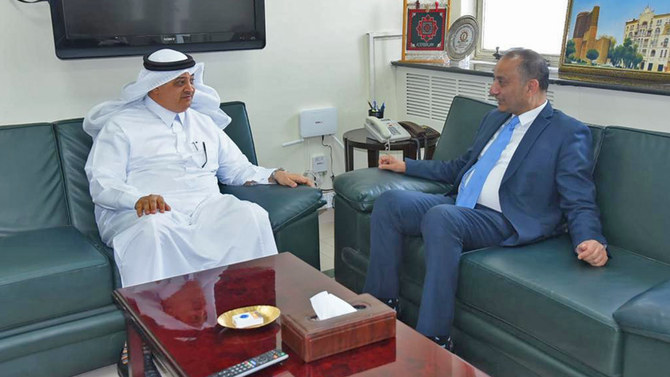
The Saudi ambassador to Islamabad, Nawaf bin Said Al-Malki (left) meets Pakistan's state minister for petroleum, Dr. Musadik Malik, in Islamabad, Pakistan, on June 16, 2023. (@KSAembassyPK/Twitter)
Short Url
Updated 16 June 2023
Follow

Saudi Arabia and Pakistan aim to finalize oil refinery project within two months

  • The Greenfield Oil Refinery will help Pakistan meet demand for petroleum products, create job opportunities
  • The project has acquired greater significance for the country after securing the supply of Russian crude oil

ISLAMABAD: Pakistan and Saudi Arabia expressed optimism to finalize a joint oil refinery project within two months on Friday, said an official statement released in Islamabad, marking a significant step toward further strengthening bilateral ties and boosting the energy sector of the South Asian state.

The issue came up for discussion during a meeting between Dr. Musadik Malik, the state minister for petroleum in Pakistan, and Nawaf bin Said Al-Malki, the Saudi ambassador, which also focused on other matters of bilateral interest.

The two sides signed a memorandum of understanding to set up the refinery project during the visit of Saudi Crown Prince Mohammed bin Salman to Islamabad in February 2019. Pakistani authorities maintained the facility would cost over $10 billion and reduce the country’s reliance on expensive oil imports.

“A roadmap for the future of the Greenfield Oil Refinery was determined during the meeting,” said the official statement after the interaction of the two officials. “Both sides expressed the desire to finalize the agreement within the next one to two months.”

The refinery project holds significant potential for Pakistan, offering numerous benefits to the country. Apart from meeting the growing demand for petroleum products, the establishment of the refinery will create job opportunities and contribute to the overall economic development.

Pakistan received its first shipment of Russian crude oil at a discounted price earlier this week, as officials hoped for a significant reduction in import bill and greater fiscal space for the government.

With more such shipments on their way, the refinery project acquires enhanced significance for the country’s energy security.

According to the Pakistan Bureau of Statistics, energy products constitute around 29 percent of Islamabad’s total imports.


Pakistan assembly speaker warns opposition against anti-state remarks in parliament

Updated 17 January 2026
Follow

Pakistan assembly speaker warns opposition against anti-state remarks in parliament

  • Ayaz Sadiq says criticism of judiciary and armed forces will not be allowed on assembly floor
  • He calls violence during protests unacceptable, vows neutrality as National Assembly speaker

ISLAMABAD: Pakistan’s National Assembly Speaker Sardar Ayaz Sadiq said on Saturday that opposition lawmakers would not be allowed to speak against Pakistan, the judiciary or the armed forces on the floor of parliament, calling such remarks unacceptable.

Speaking to reporters during a visit to the eastern city of Lahore, Sadiq said parliamentary debate must remain within constitutional and legal limits, while reiterating his commitment to act impartially as speaker.

“No one will be allowed to speak against Pakistan, the judiciary or the armed forces on the floor of the National Assembly,” Sadiq said. “Negative or controversial remarks about judges or the armed forces are unacceptable.”

His comments come amid heightened political tensions after opposition groups held protests in the past, criticizing state institutions and targeting government and military properties.

The speaker said peaceful protest was a democratic right but drew a sharp line at violence and vandalism.

“Protest is the right of every citizen in a democratic society, but it must remain peaceful and within the bounds of the constitution and the law,” he continued, adding that arson, damage to property and the use of sticks or weapons in the name of protest were “unacceptable” and posed a threat to the rule of law.

“No opposition lawmaker will be allowed to speak on the National Assembly floor if they speak against Pakistan,” Sadiq said.

The speaker also noted the country’s economic indicators were gradually improving, citing an increase in foreign exchange reserves, and said Pakistan had further strengthened relations with countries including the United States, China, Russia, Türkiye and Saudi Arabia.