LONDON: Buckingham Palace on Tuesday said it has declined a request from the family of a 19th century Ethiopian prince to repatriate his remains.
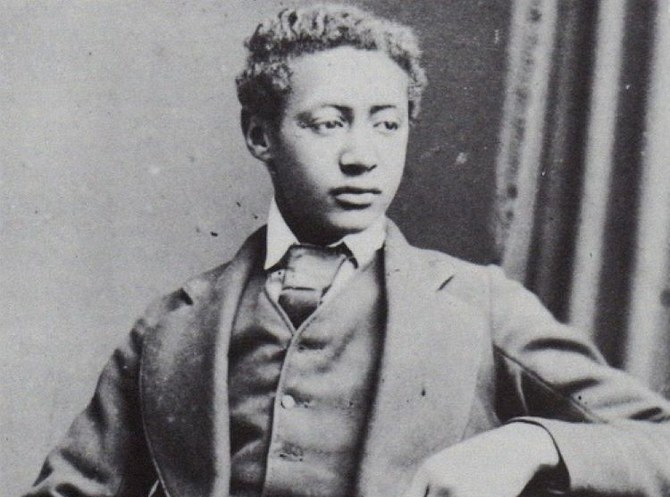
Prince Alemayehu was captured aged seven by the British Army and taken to England in 1868, arriving as an orphan after his mother died en route.
He spent the next decade in Britain, and was looked upon kindly by Queen Victoria, who arranged for his education before his death aged 18 in 1879 from pneumonia.
At the reported request of Queen Victoria, he was entombed in the catacombs of St. George’s Chapel at Windsor Castle, the royal residence west of London.
Ethiopian leaders have previously asked the British royal family for his remains to be returned to his homeland, and his family told the BBC recently that they too had requested the repatriation.
“We want his remains back as a family and as Ethiopians because that is not the country he was born in,” Fasil Minas, one of his descendants, told the British broadcaster.
He said “it was not right” for the prince to remain buried in the UK.
But in a statement, Buckingham Palace said it regretted that due to the need to “preserve the dignity” of others buried at the chapel it had not been possible to agree to the request.
“The Dean and Canons of Windsor are very sensitive to the need to honor the memory of Prince Alemayehu,” it said.
“However, they have been advised that it is very unlikely that it would be possible to exhume the remains without disturbing the resting place of a substantial number of others in the vicinity.”
The statement added that officials had granted requests in recent years from Ethiopian delegations to visit St. George’s and “will continue to do so.”


![]()

UK royal family won’t return remains of Ethiopian prince
Short Url
https://arab.news/rmy4h
UK royal family won’t return remains of Ethiopian prince
- Prince Alemayehu was captured aged seven by the British Army and taken to England in 1868
- Fasil Minas: ‘We want his remains back as a family and as Ethiopians because that is not the country he was born in’


Latest updates


Recommended



© 2026 SAUDI RESEARCH & PUBLISHING COMPANY, All Rights Reserved And subject to Terms of Use Agreement.