

Saudi fashion designer adds a modern touch to traditional dresses

Reem Esailan said “Our costumes are made of rare materials by few and skilled craftsmen who pour their heart into the very long and delicate process.” (Supplied)
Short Url
Updated 01 May 2023
Follow

Saudi fashion designer adds a modern touch to traditional dresses

  • Reem Esailan is known for creating expensive, high- end dresses inspired by Saudi heritage
  • Esailan says there is a huge demand for Saudi- inspired dresses, especially on national holidays

MAKKAH: Saudi fashion designer Reem Esailan is known for creating expensive, high- end dresses inspired by Saudi heritage.

“The official Saudi dress is the one that represents the identity of Saudi citizens and goes along with the various environmental and climatic conditions. Some of its elements are similar to those of the Arabian Peninsula’s dresses, yet their details are different,” said Esailan.

“The Saudi dress is loose and made of several pieces which are usually of white color. It can point out through its elements the status of the wearer and can also indicate the type of occasion, whether formal, festive, or simply regular.”
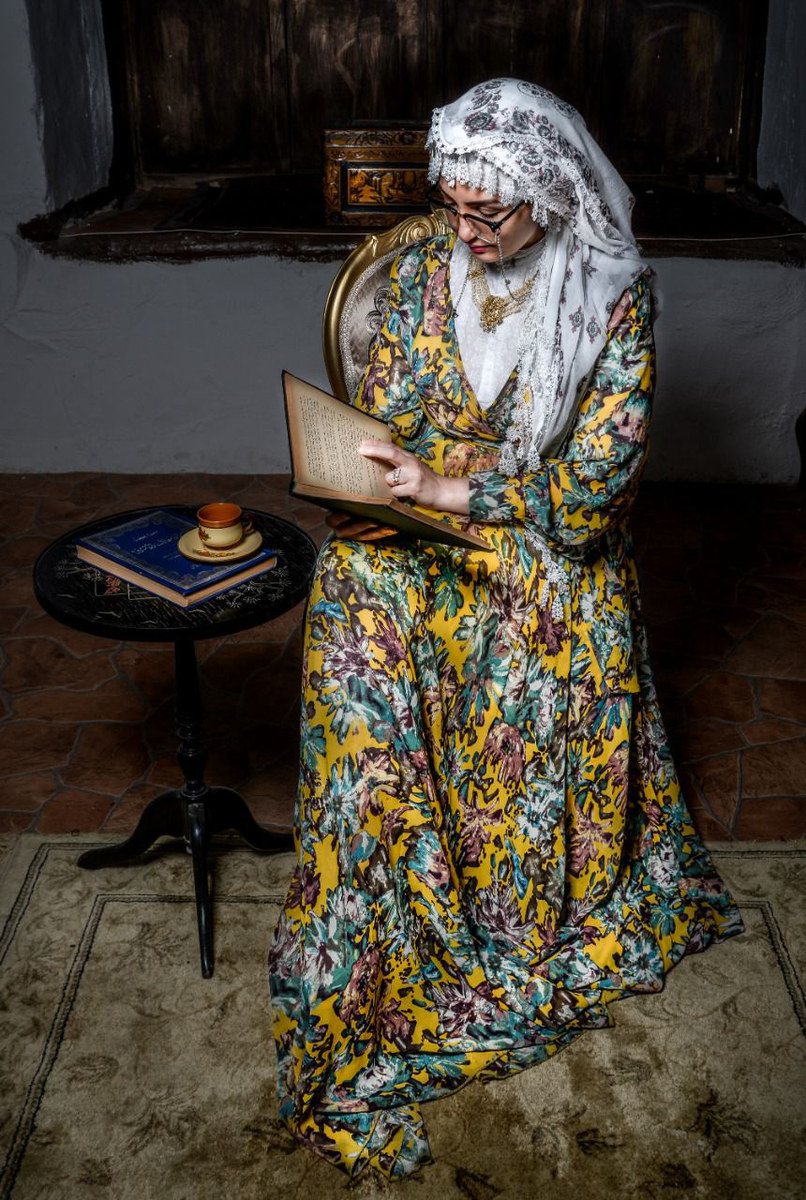
When asked about the high prices of the traditional dresses, Esailan explained that they are expensive for a reason.

“Our costumes are made of rare materials by few and skilled craftsmen who pour their heart into the very long and delicate process.

“Furthermore, our costumes are of high quality that preserves their luxury and prestige, since only those who know their worth care to wear them. They are worth it.

“I personally provide buyers with a ‘Costume Birth Certificate’ for valuable pieces to serve as a reference for them or their generations.

“This certificate serves as a description of the journey of the product from A to Z. As such, buyers will have to think twice before deciding to get rid of the piece, and they might as well appreciate the richness and historical impulse it comprises,” she added.
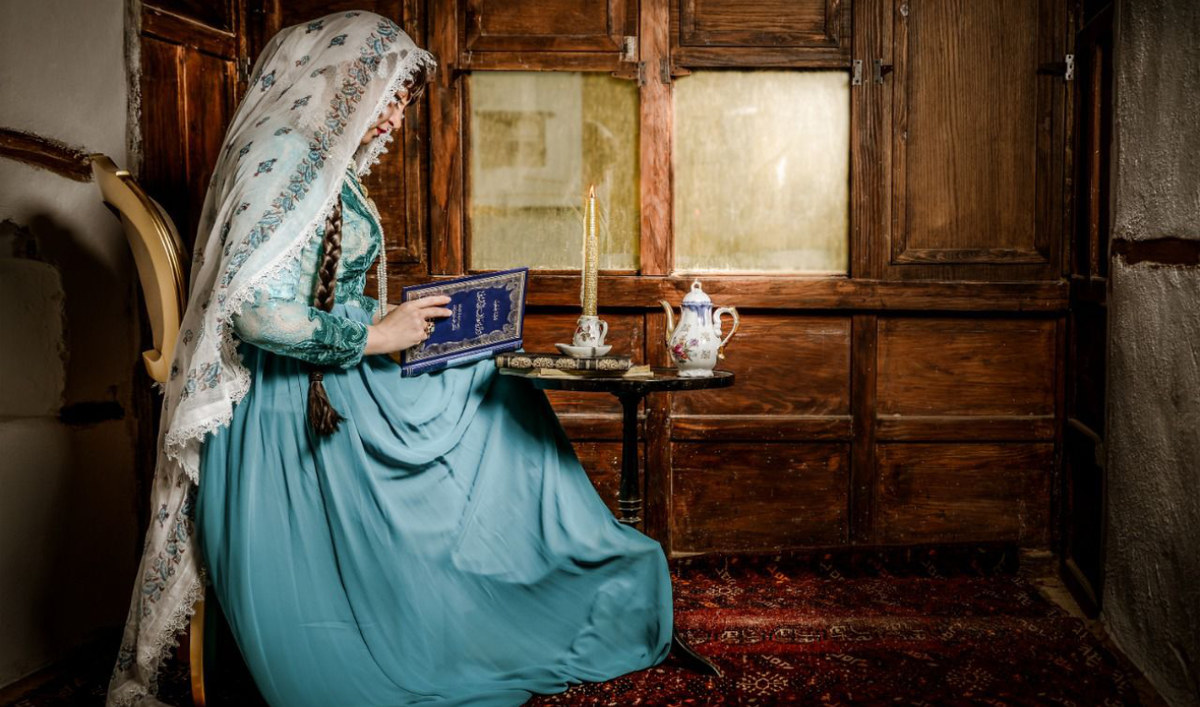
Esailan said recently there has been a huge demand for Saudi- inspired dresses, especially during national occasions such as Saudi National Day, Saudi Flag Day, and Founding Day, “as the new generation has become curious” and wants to know about the history of the Kingdom.

“We have witnessed in recent years the beginning of the journey to search for secrets of the dresses and traditions of our ancestors. Various designs with different colors emerged and encouraged a large proportion of the new generation to learn about the arts, design, especially in the heritage field, while getting creative,” she said.
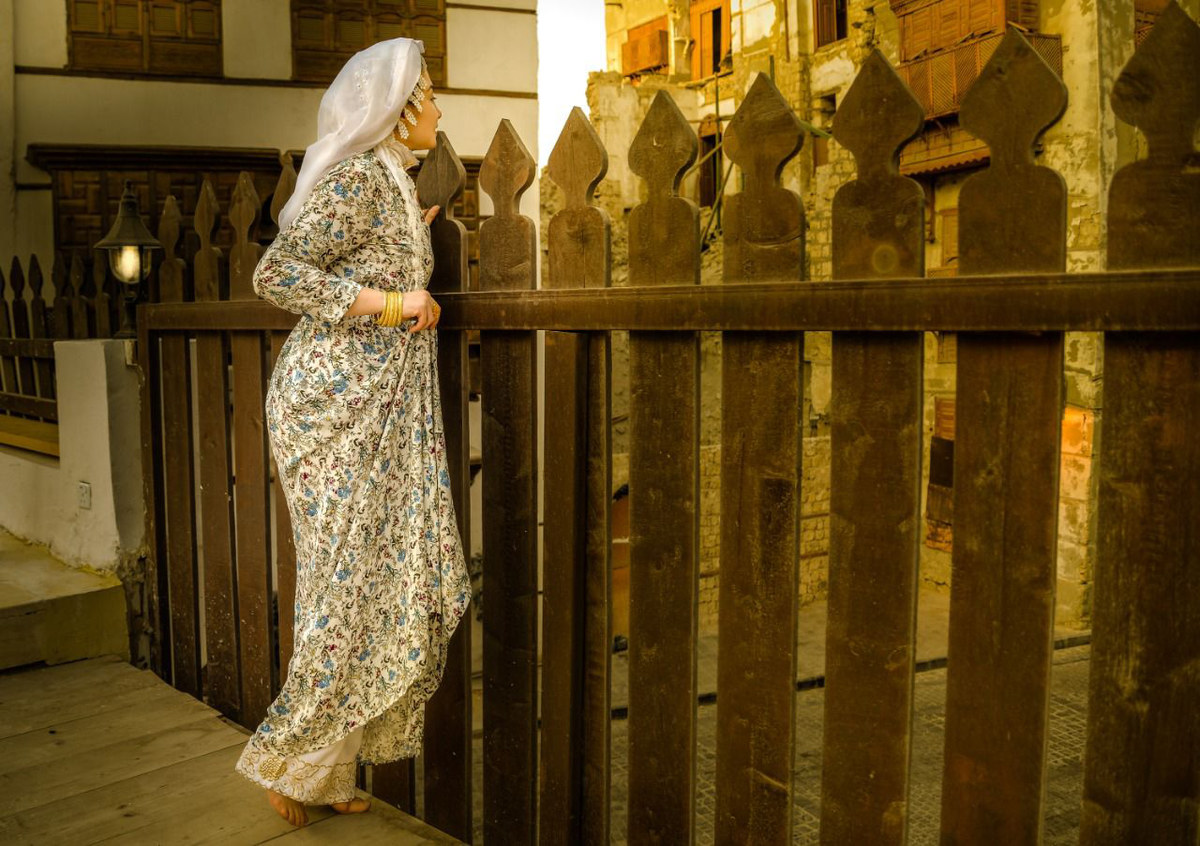
In future, Esailan aims to have herself seated at international fashion houses with her fashion creations. “The Saudi dresses are known as a culture that embodies the authenticity of the past. Visitors and researchers are attracted by expensive pieces, such as jambiyas, among other expensive clothes and accessories,” she added.

“We aim to be the bridge connecting authenticity with modernity among all regions of the Kingdom.”


Klija Festival goes global, celebrates culinary heritage

Updated 7 sec ago
Follow

Klija Festival goes global, celebrates culinary heritage

  • From a local initiative to an international showcase, the festival empowers families and artisans while boosting tourism in Qassim

Riyadh: The 17th Klija Festival in Buraidah, which ended Jan. 17, “reflects a long journey of leadership and cultural development, evolving from a simple initiative to promote a local product into an annual festival that embodies the authenticity and cultural identity of the Qassim region,” the Saudi Press Agency reported on Saturday.

Klija — a popular spiced cookie or pastry — is typically made from ingredients including wheat flour, sugar, lemon, cardamom, cinnamon, ginger, and molasses, with the dough stuffed and baked to a crisp. It has become an “economic symbol, that has empowered productive families, supported artisans, and converted heritage skills into sustainable income,” the SPA stated, adding that the festival has established itself as “a key tourism and cultural event.”

To reflect that transformation, starting from next year, the festival will be called the International Klija Festival, a rebranding approved by Qassim Gov. Prince Faisal bin Mishaal, who said the festival is a “successful model for turning local initiatives into global economic engines.”

This year’s festival, held at the King Khalid Cultural Center, featured international participants from Egypt, Turkiye, and Morocco, signaling its evolution into a cross-cultural platform.

Families in the cottage industry showcased their products, while special pavilions featured popular dishes, sweets, and a variety of handicrafts. Professional chefs presented diverse traditional dishes, complemented by daily activities and competitions for attendees. It “attracted a large turnout of visitors and heritage enthusiasts from across the Kingdom, the Gulf region, and beyond,” according to the SPA.

The festival is adding “international” to its name in the hope of attracting broader global expertise, while continuing to highlight Qassim’s unique cultural identity in line with Saudi Vision 2030.

The Culinary Arts Commission has adopted Klija as Qassim’s signature product, “affirming its cultural value and role in representing the region’s food identity,” the SPA stated.