MOSCOW: The Kremlin on Friday said it was important to identify an object discovered next to one of the Nord Stream pipelines, and said the ongoing investigation into blasts that struck the pipelines last September must be conducted with full transparency.
Kremlin spokesman Dmitry Peskov also told reporters it was a positive sign that Denmark had invited the Russian-controlled operator of the Nord Stream 2 pipeline to help salvage an unidentified object found close to the Baltic Sea pipelines.
“It’s certainly positive news when the owner of the pipeline is invited to take part in very important phases of the investigation,” Peskov said.
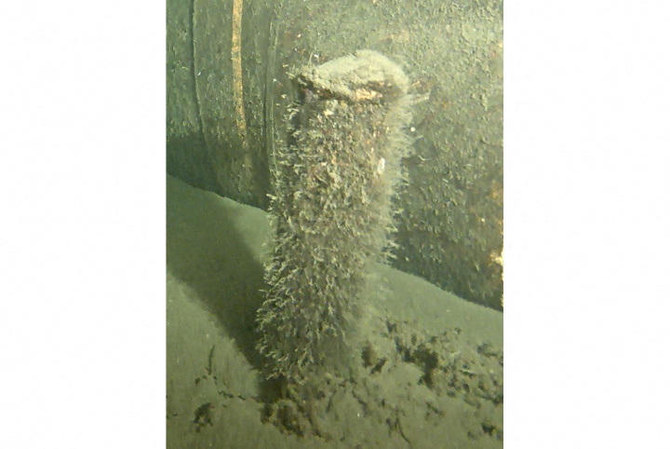
Last week, Danish authorities said a tubular object, protruding around 40 cm (16 inches) from the seabed and 10 cm in diameter, had been found during an inspection of the last remaining intact Nord Stream pipeline by its operator, Nord Stream 2 AG.
“It is critically important to determine what kind of object it is, whether it is related to this terrorist act — apparently it is — and to continue this investigation. And this investigation must be transparent,” Peskov added.
Three of the four pipelines of the Nord Stream 1 and Nord Stream 2 gas links were hit in a still-unexplained explosion last September.
Russia has, without evidence, blamed Britain and the United States for the blasts, while European investigators have not said who they believe was responsible.


![]()

Kremlin: Important to identify object found next to Nord Stream pipeline
Short Url
https://arab.news/ckus5
Kremlin: Important to identify object found next to Nord Stream pipeline
- Spokesperson: Ongoing investigation into blasts that struck the pipelines last September must be conducted with full transparency


Latest updates


© 2026 SAUDI RESEARCH & PUBLISHING COMPANY, All Rights Reserved And subject to Terms of Use Agreement.