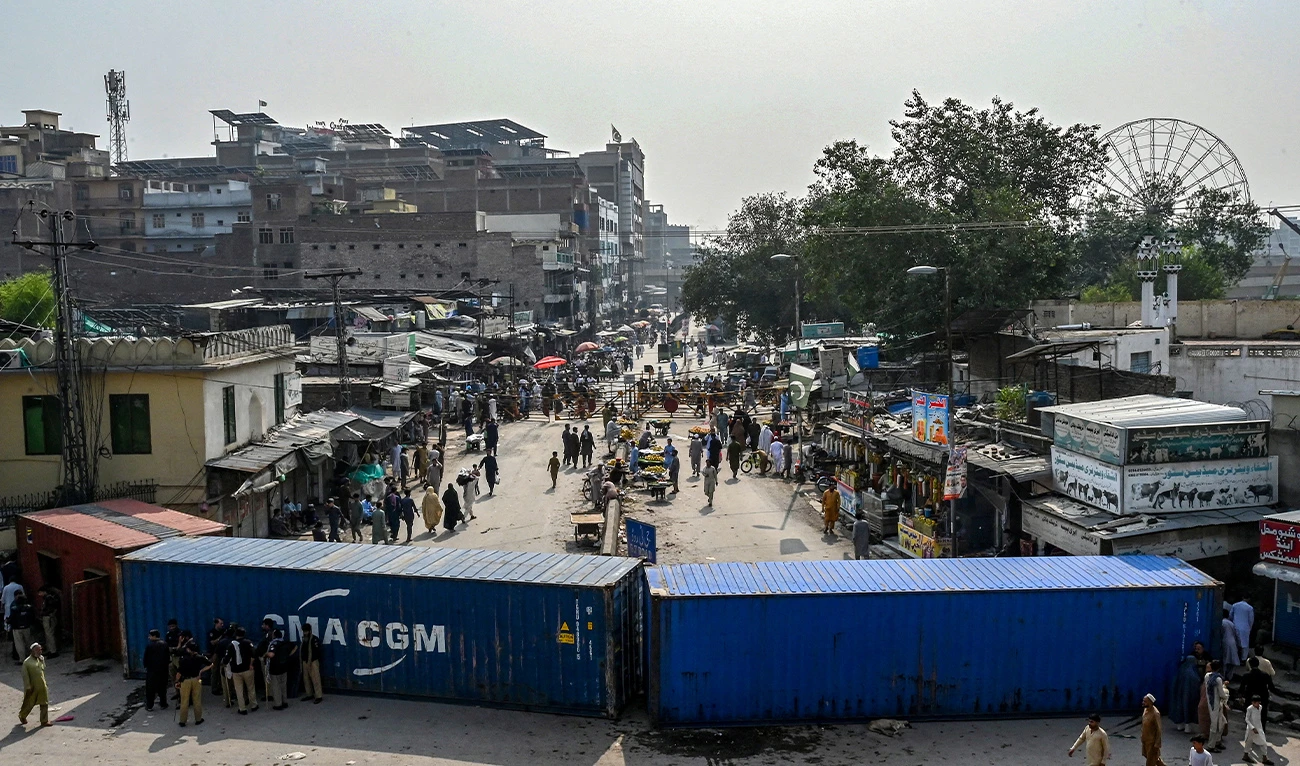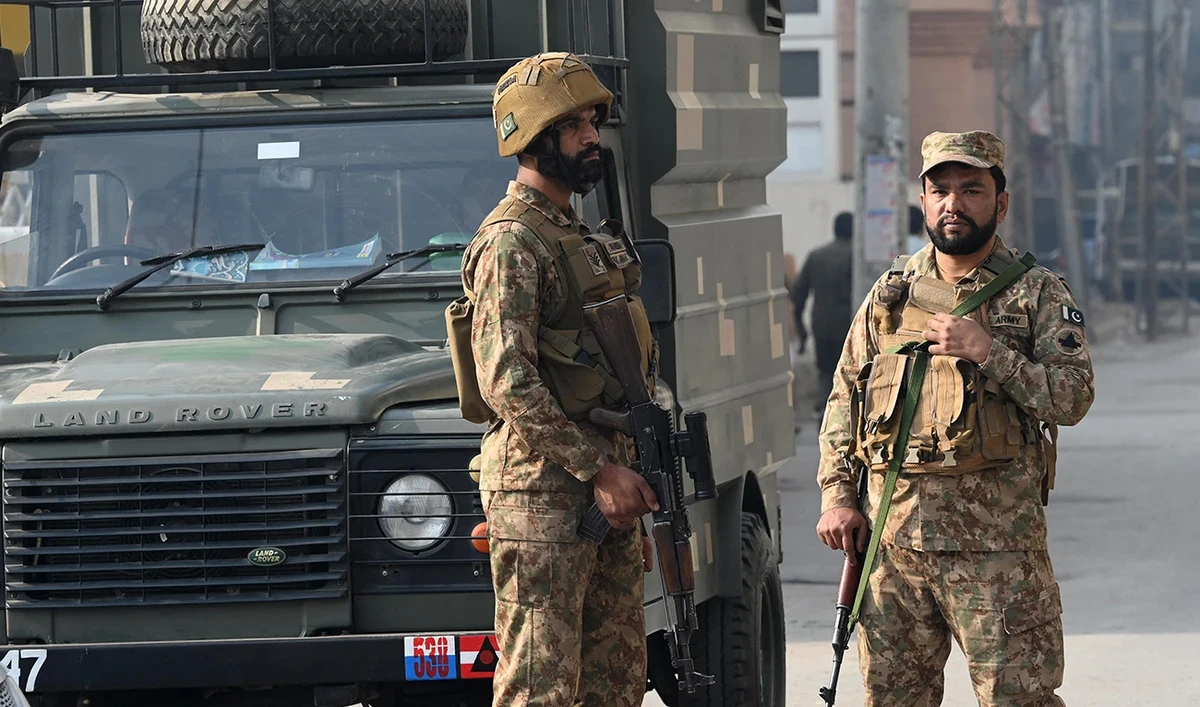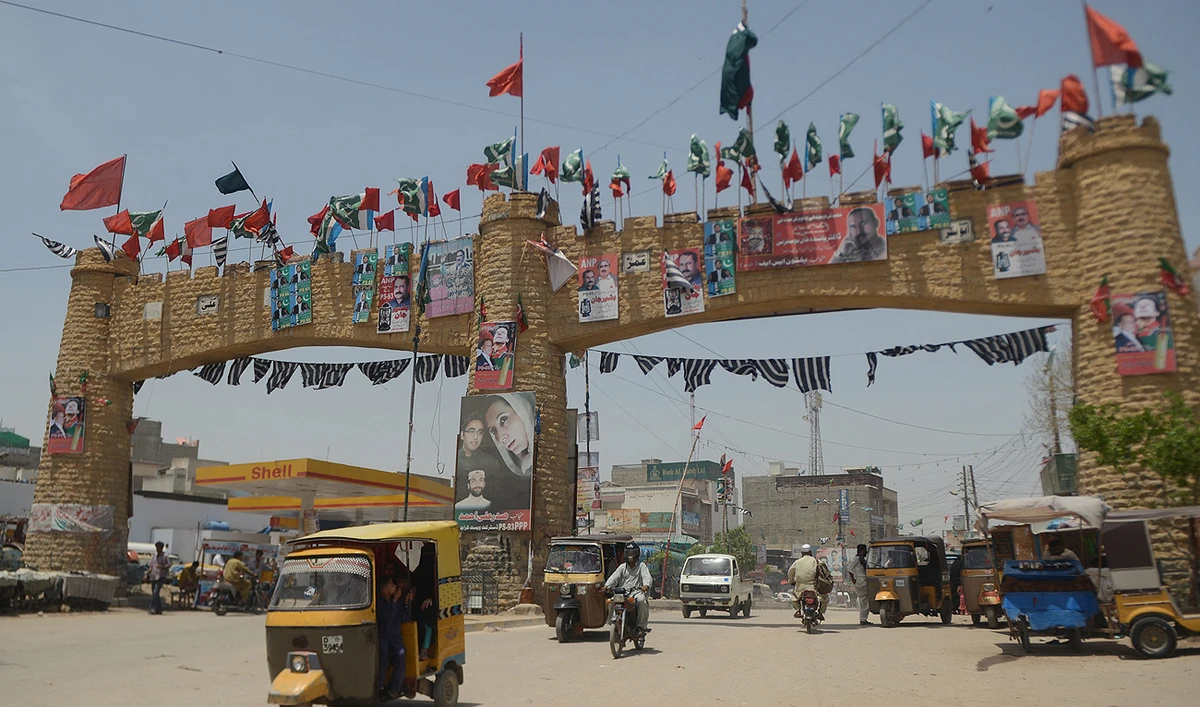
- The provincial administration of Sindh had repeated its request today to postponed the polls for security reasons
- The provincial government mentioned threats to politicians, saying the army could not provide troops for deployment
KARACHI: The Election Commission of Pakistan (ECP) on Saturday rejected yet another request by the Sindh administration to delay polls in Karachi and Hyderabad, saying the local government elections would be held on January 15.
Earlier in the day, the provincial authorities had urged the country’s top election body to reconsider its decision to hold the electoral contest on schedule while citing security reasons and threats to leaders and workers and workers of political parties.
“After deliberating on the letter [sent by the Sindh government], the election commission has decided the local government elections in the second phase will be held tomorrow, January 15,” said an ECP spokesperson. “Moreover, the election commission has directed the provincial government to make foolproof arrangements to ensure peaceful elections.”
Reacting to the development, provincial information minister Sharjeel Inam Memon said the Sindh government would comply with the ECP decision.
“We are bound to hold the elections despite our reservations,” he maintained while pointing out the security threat to politicians was still there.
The ECP rejected a similar request from Sindh on Friday after the ruling Pakistan People’s Party (PPP) said one of its coalition partners in the federal government, the Muttahida Qaumi Movement-Pakistan (MQM-P), was not satisfied with the delimitation of local constituencies.
Officials in the southern province also noted the army was not in a position to provide enough soldiers for “static deployment” to ensure the security of all sensitive polling stations.
The Sindh local government department wrote a letter to the ECP on Saturday morning wherein it mentioned a meeting held at the office of provincial chief secretary a day before.
“In this meeting, the law enforcement & intelligence agencies apprised the participants of the precarious law and order situation along with specific threats to various political leaders and workers of political parties,” it said. “The said meeting further corroborated the fear and apprehension of the Government that due to the prevalent situation, there is a greater need for the presence of troops of Pakistan Army and Civil Armed Forces to be statically deployed at the polling stations.”
“In light of the above,” the letter continued, “the Government of Sindh reiterates the request that the 2nd Phase of Local Government Elections to the extent of Karachi Division & Hyderabad District be postponed till such time that the required security is available at the polling stations.”
Pakistan’s interior minister Rana Sanaullah also expressed concern over the emerging situation in Sindh on Saturday.
“Two political parties are in favor of holding local government elections on January 15 and two are against it,” he said. “Under the circumstances, there is a fear of conflict over the elections in Karachi and Hyderabad since miscreants can benefit from the situation.”
He added that political parties and other stakeholders should try to defuse the atmosphere of tension.
“The election commission and the judiciary should take notice of the seriousness of the situation and find appropriate solution within the legal and constitutional ambit,” he continued.
Speaking to the media at his office, provincial election commissioner in Sindh, Ejaz Anwar Chauhan, said the inspector general (IG) of police had assured to provide foolproof security to sensitive polling stations.
“We had asked the IG Sindh to assess sensitive polling stations and provide the required security,” he told media and requested all relevant state institutions to fulfil their responsibility to hold free and fair elections.
Chauhan added all polling material would reach polling stations by the Saturday evening.
Pakistan’s local media widely reported the MQM-P was interested in the postponement of local government polls and was even willing to leave the ruling coalition at the federal level.
If the party abandons the government, it will become increasingly difficult for Prime Minister Shehbaz Sharif and his administration to survive in power.