LONDON: Prince Harry has acknowledged killing 25 people during his time as an Apache helicopter pilot in Afghanistan, British media reported Thursday, quoting a soon-to-be-published autobiography.
The 38-year-old Duke of Sussex served two tours of duty against the Taliban, first as a forward air controller calling in airstrikes in 2007-2008, then flying the attack helicopter in 2012-2013.
In the book “Spare,” due out next week, he said he undertook six missions as a pilot that led to him “taking human lives,” the Daily Telegraph reported.
He said he was neither proud nor ashamed of doing so and described eliminating the targets as like removing “chess pieces” from a board.
Harry served for 10 years in the British Army, rising to the rank of captain, and has described his time in the military as his formative years.
His first tour was conducted under a strict news blackout for security reasons, which was agreed by British media outlets. He was forced to return home when a foreign publication broke the embargo.
He has never publicly discussed how many Taliban he killed.
Video cameras mounted on the nose of his Apache helicopter enabled him to assess his missions — and determine with certainty how many he had killed.
“My number is 25. It’s not a number that fills me with satisfaction, but nor does it embarrass me,” he wrote.
He justified his actions because of his memory of the 9/11 attacks in the United States, and after meeting families of the victims.
Those responsible and their sympathizers were “enemies of humanity” and fighting them was an act of vengeance for a crime against humanity, he added.
Harry has since voiced concern about his security, not just because of his royal status but also because of his time fighting extremists.
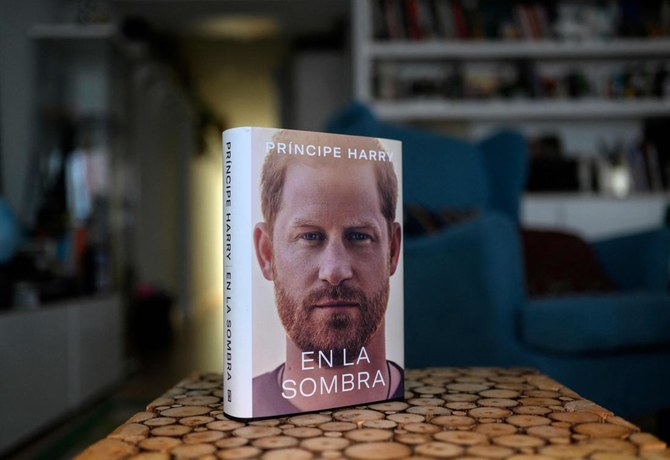
The Telegraph quoted the extracts from the Spanish version of the autobiography it obtained after mistakenly being put on sale in bookshops on Thursday before being withdrawn.


![]()

Prince Harry says he killed 25 in Afghanistan: Media
Short Url
https://arab.news/p3azy
Prince Harry says he killed 25 in Afghanistan: Media
- The 38-year-old Duke of Sussex served two tours of duty against the Taliban
- He said he was neither proud nor ashamed of doing so and described eliminating the targets as like removing “chess pieces” from a board


Latest updates


© 2026 SAUDI RESEARCH & PUBLISHING COMPANY, All Rights Reserved And subject to Terms of Use Agreement.