

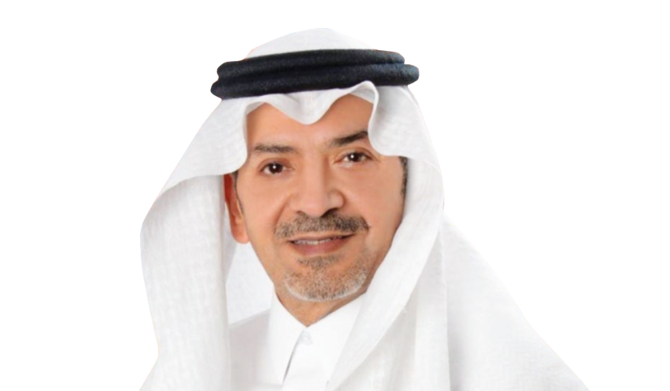
Who’s Who: Ahmed Gashlan, CEO of Veolia Arabia

Ahmed Gashlan
Short Url
Updated 16 March 2023
Follow

Who’s Who: Ahmed Gashlan, CEO of Veolia Arabia

Ahmed Gashlan is the CEO of Veolia Arabia, overseeing the territories of Saudi Arabia, Kuwait and Bahrain for water, waste and energy management.

He is an expert in the fields of water and wastewater, oil and gas, construction and real estate investment, with over 34 years of experience in the Kingdom and the Gulf Cooperation Council region, including identifying and sourcing opportunities, business structuring, modeling and target realization.

As the chief executive of Veolia Arabia, Gashlan leads his teams in line with the company’s mission of being the benchmark for ecological transformation.  

Veolia has a longstanding presence in the Kingdom; it has served municipal and industrial clients in the region for over 34 years.

Before joining Veolia Arabia in 2022, Gashlan managed a local Saudi company in the water industry for 10 years and was accountable for performance turnaround, repositioning and restructuring the business into multi-business units or specialized companies.

Prior to that, he was deputy general manager of Tihama Holding Co. and was responsible for restructuring the organization into a holding company.

Gashlan holds a bachelor’s degree in architecture from the School of Environmental Design, College of Engineering, King Abdulaziz University and a diploma in converting strategy into action from Stanford University.


Rare exhibits on display at King Abdulaziz Palace

Updated 30 January 2026
Follow

Rare exhibits on display at King Abdulaziz Palace

  • The piece reflects the precision of traditional craftsmanship and its social symbolism tied to strength and horsemanship

RIYADH: Exhibits on display at the King Abdulaziz Palace in the historic village of Laynah highlight rich aspects of human history and environmental change in the Arabian Peninsula as part of a series of palace activation events organized by the Imam Turki bin Abdullah Royal Nature Reserve Development Authority during the Darb Zubaida Winter Season.

The exhibits feature rare historical artifacts carrying cultural and scientific significance that document different lifestyles and environmental shifts in the region over the centuries.

Among the most notable pieces is a traditional rifle crafted from natural wood and fitted with a handwoven leather strap, historically used for hunting and protection.

The piece reflects the precision of traditional craftsmanship and its social symbolism tied to strength and horsemanship.

The authority stated that the palace welcomes visitors daily until Feb. 15, from 3:00 p.m. to 10:00 p.m., as part of unified tourism programs aimed at organizing visitor flow and providing opportunities to explore historical sites in a safe and engaging environment.