

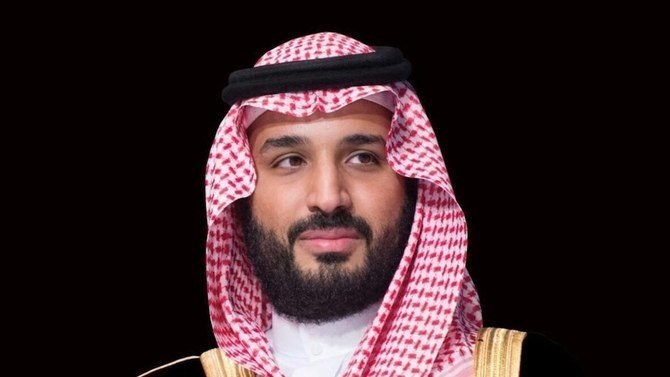

RIYADH: Saudi Arabia’s Crown Prince Mohammed bin Salman on Thursday unveiled the Savvy Games Group’s strategy, which is set to invest SR142 billion ($37.7 billion) across four programs, the Saudi Press Agency reported.
“Savvy Games Group is one part of our ambitious strategy aiming to make Saudi Arabia the ultimate global hub for the games and esports sector by 2030,” the crown prince said.
“We are harnessing the untapped potential across the esports and games sector to diversify our economy, drive innovation in the sector and further scale the entertainment and esports competition offerings across the Kingdom,” he added.
Fully owned by the Public Investment Fund, Savvy’s strategy is to drive growth by investing in the videogames industry and esports with a unique long-term investment horizon and long-dated capital, creating more opportunities for participation and strengthening partnerships in the games industry, as well as improving the user experience.
The launch of the Savvy Games Group’s strategy will enable and support the recently announced national gaming and esports strategy, as Savvy will invest in several local and international programs and infrastructure in order to provide training, education and entrepreneurship opportunities.
It is also expected to attract international companies to Saudi Arabia through investments and partnerships that will contribute to providing skills, knowledge transfer and building capabilities in the whole ecosystem.
It will also establish 250 games companies in the Kingdom, which will create 39,000 jobs, and raise the sector’s GDP contribution to SR50 billion by 2030.
Savvy’s investments will be based around four key pillars, including enhancing returns, local impact, leaving a global footprint and expanding, leading to international games investing, generating sustainable returns and enabling creators across the entire value chain.
Savvy will accelerate talent in the Kingdom and catalyze Saudi Arabia’s unique geographical location to build the dominant global hub for games and esports.
As a part of the group’s investment strategy, it is set to invest SR142 billion across four programs each with specific objectives. Some SR50 billion has been earmarked for the acquisition and development of a leading game publisher to become a strategic development partner. Another SR70 billion will see Savvy make a series of minority stake investments in key companies that support its game development agenda, SR2 billion in diversified investments in industry disruptors to grow early-stage games and esports companies, and SR20 billion invested into mature industry partners who add value and expertise to Savvy’s portfolio.
This strategy will be delivered by Savvy’s five independent subsidiaries specifically devoted to different sectors and ecosystem development.
These five companies comprise Savvy’s esports arm, EFG, which was created following Savvy’s earlier acquisition of ESL and FACEIT groups. Together, EFG already comprises a significant part of the world’s competitive gaming ecosystem, and it combines ESL’s strength in building, broadcasting, and commercializing premium content with FACEIT’s capabilities as a best-in-class online platform.
Nine66 is building an ecosystem for game developers and studios to thrive through providing a suitable infrastructure, offering talent and participation opportunities, and providing financing and consultancy support. The company is also offering publishing services in the Middle East markets, which allows international developers to enter regional markets.
VOV company, specialized in building gaming and competition venues, aims to develop skills and provide a healthy environment for players by building a series of quality venues that consider the health and care of all players, in a step that is the first of its kind globally, by providing healthy food, a supportive social environment and motivating players to adopt a healthy lifestyle.
VOV opened the first of its venues in May, one of three planned venues that will open in the short-term, as it seeks to expand regionally and globally.
The company will also provide programs designed to train and guide young gamers who aspire to break into the competitive esports industry.
The group also will establish the first global games studio to be launched in Saudi Arabia, which will offer a range of games to global audiences. Specialized teams will be formed focusing on mid-core games — which are more complex and require more time investment from the player than hyper-casual products — and will seek to take advantage of acquisition opportunities available in the Kingdom and international markets to attract games and studios under the Savvy Group’s umbrella.
The strategy also includes establishing the Savvy Games Fund, which will invest in leading publishers and developers and facilitate establishing their bases in the Kingdom.
Collectively these companies will create synergies across every part of the games and esports industry, growing the sector through targeted investments in developers and publishers, investing in technology innovation, content creator funding, and developing world-class event and venue concepts.
Savvy Games Group, whose CEO is Brian Ward, former head of worldwide studios at Activision Blizzard, is a games and esports company founded to drive the long-term growth and development of esports and the wider games industry worldwide. As a global champion of this buoyant sector, Savvy aims to become a global leader in games and esports through deploying significant capital over long-term horizons.
Its investments will create opportunities for participation and progression in the sector, across gender, geography, means and ability. Savvy’s investments are intended to drive the growth of the sector globally, making it a more supportive, exciting, and rewarding place for fans, players, developers, and technology innovators. This will facilitate broader, more equitable access to this fast-growing, dynamic sector.

keywords


