ISLAMABAD: A senior Pakistani cabinet minister said on Saturday Prime Minister Shahbaz Sharif would hold consultations with the founding leader of his political party, Nawaz Sharif, while visiting London before finalizing the name of the new army chief.
The issue has come up for discussion in the media after former prime minister Imran Khan made statements in which he said the current administration of the country should not be allowed to decide the matter which should be postponed until after the formation of a new government.
Khan, who was ousted from power in a no-confidence vote in April after losing parliamentary majority, has been demanding early elections in Pakistan since he claims his administration was brought down by international powers who did not want him to pursue and independent foreign policy.
The former prime minister has also refused to recognize the incumbent government, saying its leaders were involved in financial irregularities and wanted to appoint their “favorite” army chief to protect themselves against the corruption cases.
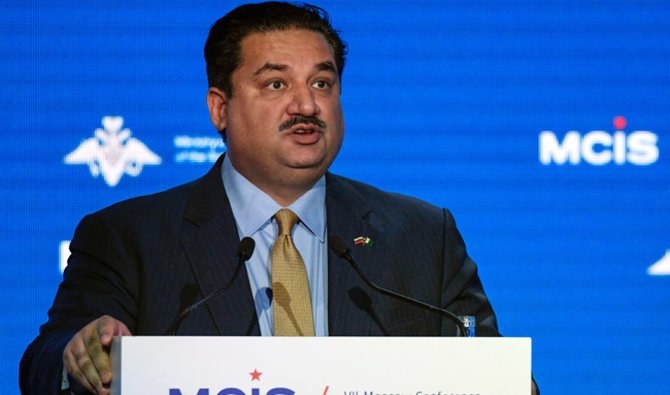
“The decision to appoint the army chief rests with Prime Minister Shehbaz Sharif,” said Khurram Dastgir, Pakistan’s power minister, while addressing a news conference in Gujranwala. “He will make the final judgment on this. He will also consult his political companions and Nawaz Sharif, though it will be him who will take the decision.”
The country’s current army chief, General Qamar Javed Bajwa, is due to retire in the last week of November.
Khan’s political party recently said it would be “insulting” if the top army general was appointed by people facing corruption charges or running away from the country’s legal system.
Nawaz Sharif, an ex-premier who ruled the country three times, was convicted by an accountability court before he went to London on medical bail and did not return. The ruling Pakistan Muslim League-Nawaz party calls cases against him politically motivated.
The issue of the army chief’s appointment was also raised during a news conference of defense minister Khawaja Muhammad Asif in Islamabad on Saturday who was asked about the government’s “policy” on the issue.
“The policy is already defined in the constitution that the sitting prime minister will decide the matter in November,” he said.
“Nawaz Sharif has fulfilled this constitutional responsibility four times,” he continued. “Now, this duty will be performed by Shehbaz Sharif.”
Dismissing Khan’s demand that the decision be postponed until after the fresh elections, Asif said it was a constitutional requirement that needed to be carried out on time.


![]()

Pakistan PM to appoint new army chief after consultation with Nawaz Sharif — minister
Short Url
https://arab.news/8tamx
Pakistan PM to appoint new army chief after consultation with Nawaz Sharif — minister
- Khurram Dastgir says the decision to appoint the army chief solely rested with the PM who would consult his advisers
- Defense minister Khawaja Asif calls army chief’s appointment a constitutional duty that must be fulfilled on time
Latest updates


© 2026 SAUDI RESEARCH & PUBLISHING COMPANY, All Rights Reserved And subject to Terms of Use Agreement.