



RIYADH: Saudi Arabia and the Philippines have agreed to resume the deployment of Filipino workers (OFWs) to the Kingdom from November 7 after several days of top-level bilateral discussions between the two countries.
Saudi Arabia is the most preferred destination for OFWs, hosting one out of five Filipinos working abroad. More than a million Filipinos work in the Kingdom, many in construction or as household workers or nurses.
The Philippines has earlier suspended the deployment of workers to Saudi Arabia, citing various issues relating to labor and employment rights of its citizens.
In a joint statement issued Tuesday, both countries agreed to undertake joint measures “to facilitate the decent and productive employment of OFWs and ensure the protection of their rights.”
Minister for Human Resources and Social Development Minister Ahmad Bin Sulaiman Al-Rajhi led the Saudi Arabia’s delegation who met with Migrant Workers Secretary Susan Ople’s team.
“We are grateful to Minister Al-Rajhi and the government of Saudi Arabia for sharing our concern for the rights of our workers. Likewise, we intend to move forward by working together on implementing mechanisms that would ensure the protection of our workers’ rights and welfare,” Ople said.
The Philippine official underscored the commitment of both countries for a joint partnership against the trafficking of migrant workers, and hailed the “convergence of concrete ideas and measures on how best to protect our OFWs while at the same time, deepening the ties between the two countries.”
Saudi Arabia’s labor ministry has committed to review a proposal to reduce the duration of the employment contract of domestic workers to one year, a statement from Ople noted.
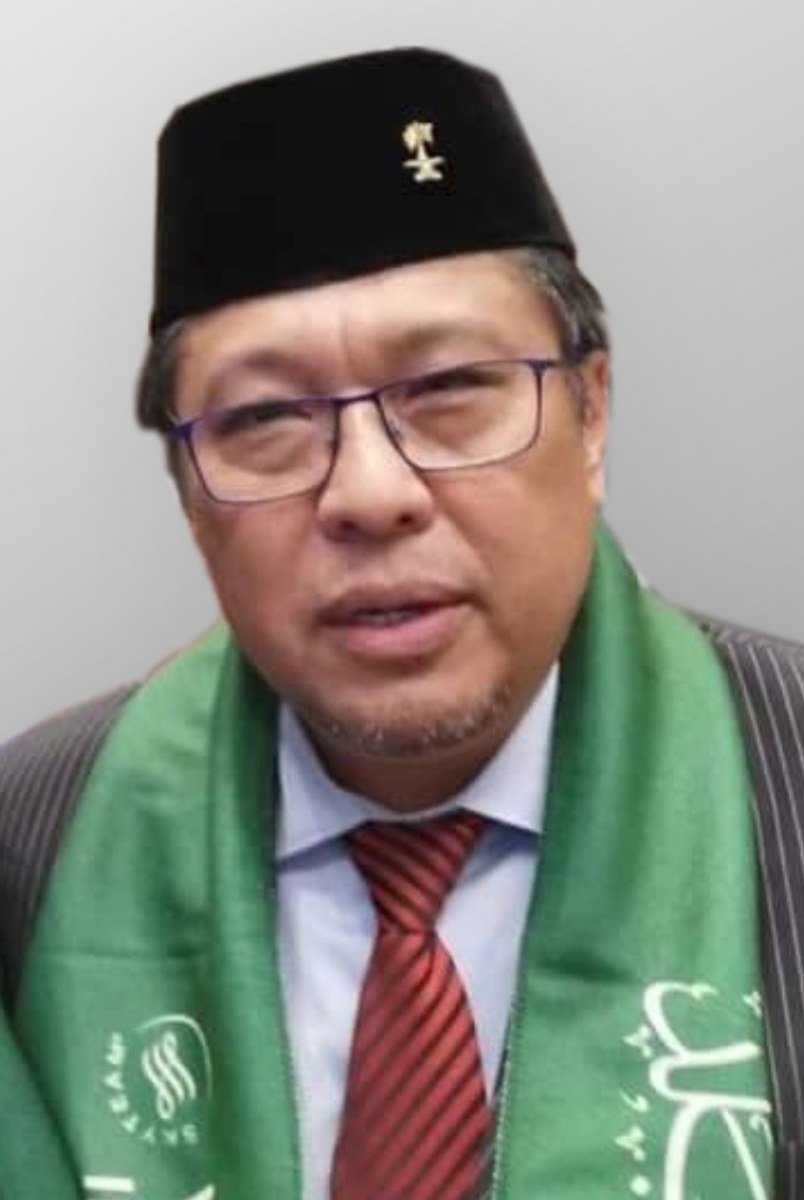
Abdul Hannan M. Tago, the executive assistant of the National Commission on Muslim Filipinos.
Abdul Hannan M. Tago, the executive assistant of the National Commission on Muslim Filipinos, emphasized the significance of the resumption of the deployment of Filipino workers to Saudi Arabia, calling it a “very welcome development.”
The bilateral relationship is significant for both countries, as the first Filipino laborers landed in Saudi Arabia five decades ago.
Tago stated that the Philippines benefited significantly economically from its tie with Saudi Arabia, noting that the bulk of Filipino employees are skilled, and there are also excellent doctors, nurses, engineers, and mechanics.
“Many of us are aware that contracted domestic employees can cause a great deal of trouble and problems, which is understandable. However, the commercial ties between the two nations should not be jeopardized or harmed as a result, especially given that domestic workers do not comprise the majority of the two countries’ economic relations,” he noted.
Tago praised Filipino workers’ abilities, saying they love their jobs, are dedicated to achieving their responsibilities, work honestly, and have strong work ethics.

Waleed A. Alswaidan, the former chairman of Saudi-Philippine Business Council.
“Labor relations between the Kingdom of Saudi Arabia and the Philippines remained, but were marred by some problems during the last period,” Waleed A. Alswaidan, the former chairman of Saudi-Philippine Business Council, told Arab News.
“This (working with what was stated in the memorandum of understanding) requires the approval of the higher authorities on its provisions, including the change in work contracts,” Alswaidan said.
Alswaidan praised the Filipino workers who participated in the development of Saudi Arabia’s industry, health and various economic sectors, and said that “they are good and skilled workers that are respected by the Saudi investor.”
“The trade movement between the two countries is continuous and is not limited to workers only, but also includes many types of electronic trade, furniture, leather and food items, and there are Saudi goods exported to the Philippines,” he added.
“I hope that things will go in the best interest of all contractual parties. For example, there are 4 parties to contracts related to housekeeping workers that are the worker, the homeowner, the Philippine labor office, and the Saudi recruitment agency. It is important that contracts contribute to the satisfaction of all parties,” the CEO of Waleed Alswaidan Recruitment Agency stressed.
“The Ministry of Human Resources and Social Development in Saudi Arabia has created an office for support and protection concerned with finding solutions to the problems of housekeeping workers in particular and solving the problems that occur between the employer and the workers,” he added.


