Saudi backpacker twins embark on new adventures

1 / 2
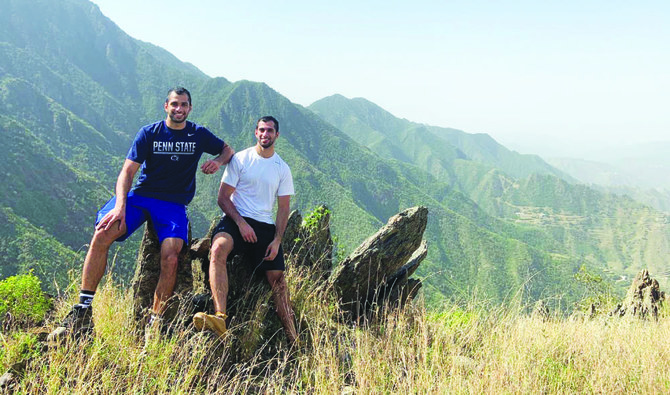
The 29-year-old twins’ love for traveling was sparked during family trips abroad when they were younger, and they became passionate travelers after finishing college. (Supplied)
2 / 2
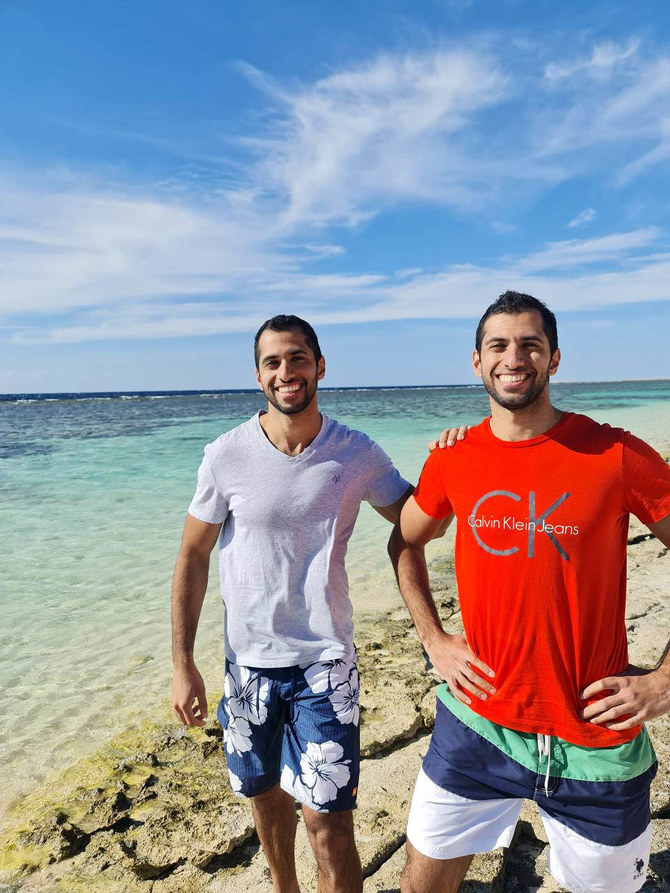
The 29-year-old twins’ love for traveling was sparked during family trips abroad when they were younger, and they became passionate travelers after finishing college. (Supplied)
Short Url
Updated 17 July 2022
Follow

Saudi backpacker twins embark on new adventures

  • The 29-year-old twins believe traveling should be simple and economical as often the duo spends only $1,331 including flight tickets for a two- to three-week trip

JEDDAH: Saudi backpacker twins Mohammad and Ahmad Al-Rebh from Al-Qatif have visited more than 50 countries in just six years.  

The 29-year-old twins’ love for traveling was sparked during family trips abroad when they were younger, and they became passionate travelers after finishing college.

The brothers, both engineers, work at Saudi Aramco and use their income to fund their trips.

The twins never stay at hotels, only at hostels. Mohammed believes traveling should be simple and economical as often the duo spend only SR5,000 ($1,331) including flight tickets for a two to three week trip.

HIGHLIGHT

For the twins, traveling is all about growing and learning more about yourself, getting to know the locals and their language, places, meeting other passionate travelers and sharing similar experiences with them.

“You see us fitting everything we need in a big backpack rather than the usual luggage that you need to pull. We make you also see the place as it is and not from a five star hotel,” Ahmad told Arab News.
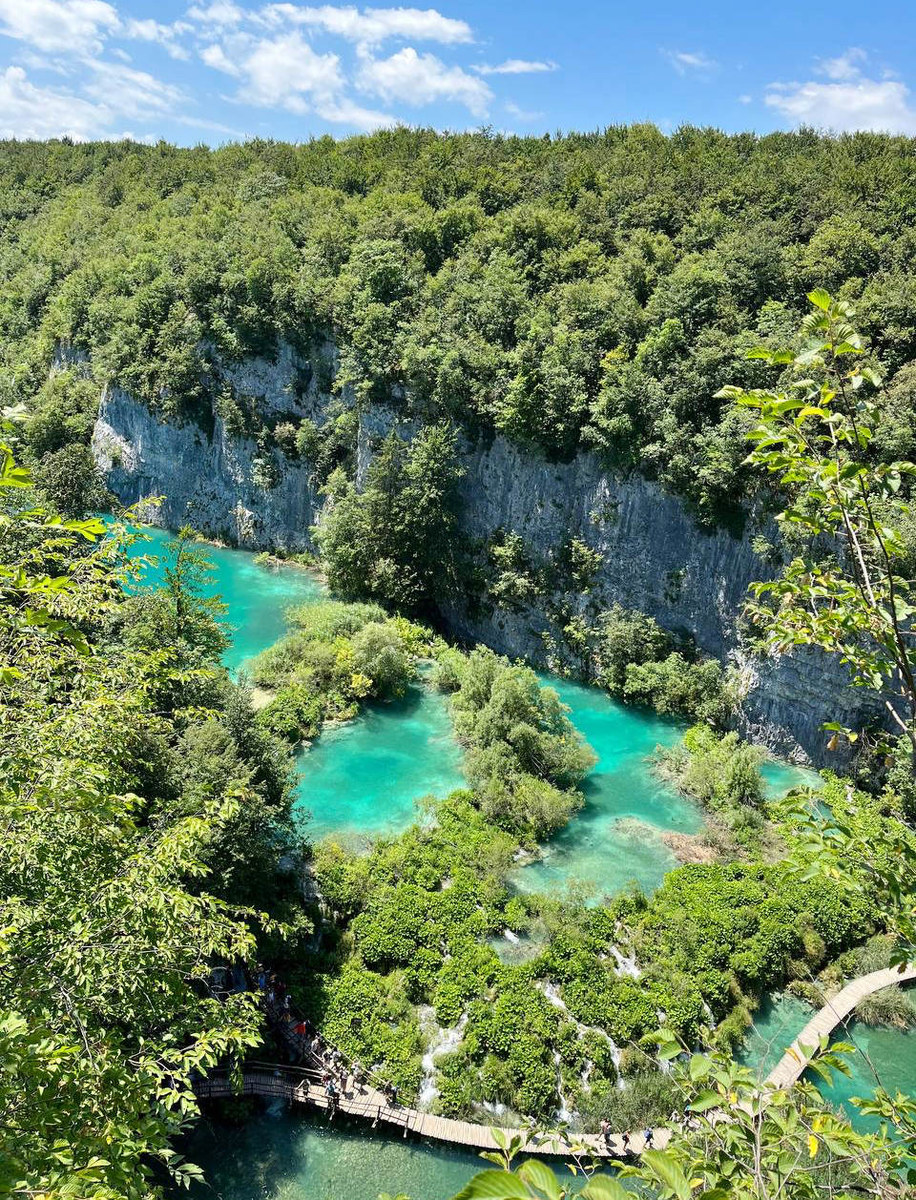
“Traveling shouldn’t be all organized and planned and in comfy hotels. Actually this makes traveling harder for a lot of people because they would see how costly their trip can be and hefty the logistics are,” Mohammed told Arab News.

He added: “A lot of it will be going with how we feel; sometimes I would love to stay in a place more than I anticipated so I end up extending a night (or nights) and other times it’s the opposite. Sometimes I would find out from other travelers I meet that there’s a really amazing place to visit nearby so I would usually get a bus ticket and spend a night or two somewhere I didn’t even know existed.”

Get out there and start exploring the world as it will develop you as a person; and as you grow from it, you’ll see the positive changes in your day-to- day life, your career, your business and your relationships

Mohammad Al-Rebh

For the twins, traveling is all about growing and learning more about yourself, getting to know the locals and their language, places, meeting other passionate travelers and sharing similar experiences with them.

“So what if plans get ruined or you miss a flight as long as you appreciate the experience and grow as a person,” he said.

“Having a plan is good and safe but we shouldn’t stress over meeting our plans. Enjoy the journey, meet people, discover places, and find love within ourselves and others,” he explains.
The twins enjoy hiking in nature and one of their most memorable experience was a trip to Mount Kilimanjaro in Tanzania, in August 2019. It was the twins’ first physically and mentally challenging trip.

“This was so special because I got to summit the highest mountain in Africa and one of the seven (highest) summits of the world. The whole experience was so special as you are always above the clouds and you see different sceneries everyday,” Ahmad reminisced.

“The sunrise at the summit itself was the most beautiful sunrise I’ve seen in my life. From the challenge to go all the way up was a great feeling to celebrating the summit by dancing and singing with Tanzanians and friends during the whole journey was so special,” he added.

Climbing 5,895 meters above the ground was a “blissful” experience, said Mohammed.

“Get out there and start exploring the world as it will develop you as a person; and as you grow from it, you’ll see the positive changes in your day-to-day life, your career, your business and your relationships,” he advises.


Carved by time: Saudi Arabia's hidden geotourism gem of Razan

Updated 4 sec ago
Follow

Carved by time: Saudi Arabia's hidden geotourism gem of Razan

  • Long before modern engineering, the geology of Razan functioned as effective natural infrastructure, sustaining life in an arid environment
  • This utility made Razan a strategic landmark, playing a vital role in the ancient Yemeni Hajj Road

AL-LITH: Sixty kilometers north of Al-Lith governorate in the Kingdom's west, rising above the shifting sands and valleys of the Makkah region, lies a place where the earth itself tells a story. This is Razan, a geological wonder where history is not written in ink, but etched into the stone by the patient hands of wind, water, and time.

Perched atop a high rocky mass and flanked by valleys to the northwest and southeast, Razan stands in natural isolation. This geographic solitude has acted as a guardian, preserving a landscape that feels almost otherworldly — a pristine stage set by nature over millennia.

The place is defined by its striking rock formations: dense clusters of stone, stepped ridges that resemble ancient staircases, and natural ceilings sculpted by the relentless flow of seasonal torrents.

The visual impact is one of dramatic contrast — the heaviness of solid rock balanced against open, airy spaces carved by erosion. Fine channels and intricate flow patterns mark the stone, serving as fossilized evidence of the water that once rushed through these corridors, shaping the land into a rugged work of art.
 

In the quiet majesty of Razan, the past is preserved. (SPA)

Nature’s infrastructure 

But Razan is more than just a scenic marvel; for centuries, it served as a lifeline. The same forces that sculpted the cliffs also hollowed out natural rock basins. These geological depressions acted as seasonal reservoirs, catching rainwater and supplementing nearby wells. Long before modern engineering, the geology of Razan functioned as effective natural infrastructure, sustaining life in an arid environment.

This utility made Razan a strategic landmark, playing a vital role in the ancient Yemeni Hajj Road. The sturdy, elevated terrain provided a natural pathway for pilgrims, offering stability and protection on their spiritual journey toward Makkah.

Today, Razan stands at the intersection of heritage and opportunity. No longer just a passage for pilgrims, it is emerging as a valuable asset for geotourism. Its unique topography offers a visual feast for travelers and a treasure trove for scientists studying geological history.

As Saudi Arabia moves toward the goals of Vision 2030, sites like Razan are finding new purpose. By transforming this geological narrative into a tourism destination, the region aims to preserve its natural heritage while breathing new life into the local economy.