



DUBAI: Netflix is launching a specially curated collection of 21 Arab films on July 7 titled “Because She Created.”
Featuring movies by female filmmakers, the collection includes documentaries as well as dramas and romance movies, amplifying the creative voices of Arab women filmmakers.
The filmmakers hail from diverse countries in the region including Saudi Arabia, Algeria, Egypt, Jordan, Kuwait, Lebanon, Morocco, Palestine and more.
The Because She Created platform was first launched last year as a virtual panel discussion hosting Arab women filmmakers to talk about the evolving role of women in the regional film industry.
Netflix then teamed up with the Cairo International Film Festival to host the second edition of Because She Created as a fireside chat with renowned Tunisian actress Hend Sabry. Now, the streaming giant is using the platform to launch a specially curated collection of films that shine a spotlight on Arab women filmmakers.
“We have had women filmmakers, writers, producers and actors creating their own ripple in the regional entertainment industry for decades,” Nuha El-Tayeb, director of Content Acquisitions, Netflix MENA and Turkey, told Arab News.
“Filmmakers in the Arab world are more aware that in order to be seen they have to have authenticity, but also to deliver a universal story. There is a return of powerful female lead roles in commercial cinema, young creatives are breaking traditional gender boxes and women are finding more avenues to tell stories they haven’t been able to tell before,” she added.
Arab cinema has had a moment on the global stage in recent years. In 2019, Nadine Labaki became the first Arab woman to be nominated for best Foreign Language film at the Oscars through her title “Capernaum.” Still, there are gaps in the industry that need to be addressed.
One way to create more opportunities for women is to let them have more autonomy over their stories, El-Tayeb said. “Actors need to be more conscious of the narratives and stories they choose to be involved in, and demand better and more authentic portrayals for women in film.”
This is especially important given that there are fewer scripts written for female characters, while male characters “remain the motor of Arab cinema,” she said.
“We know that more women behind the camera has a ripple effect for women in front of it,” El-Tayeb added. Netflix recently renewed “AlRawabi School for Girls” and “Finding Ola” for another season. Both shows are spearheaded by female showrunners and have made it to Netflix top 10 lists around the world.
“The success of these shows has helped Arab talent, creators and storytellers reach new audiences, and instilled a sense of pride,” she said.
Since the lifting of the cinema ban in 2018, Saudi Arabia has made significant investments in the creative industries, allocating $64 billion toward the entertainment sector alone. During the Red Sea Film Festival last year, the Ministry of Investment announced that the Kingdom would support the production of 100 films by 2030.
The Saudi Film Commission also announced an incentive program earlier this year offering financial refunds of up to 40 percent for local and international producers shooting in the Kingdom.
“There’s incredible talent in Saudi Arabia,” said El-Tayeb. “The entertainment landscape is rapidly evolving and Saudi women — like other women from the Arab world and globally — have beautiful, complex and layered stories to tell.”
Netflix is already working with Arab women not only to help tell their stories, but also to amplify their voices in order to reach a global audience. In April, it partnered with the Arab Fund for Arts and Culture to grant five women Arab filmmakers $250,000 to bring their work to life.
The streaming giant has also worked with writer and director Hana Al-Omair on “Whispers,” an eight-part psychological thriller, as well as with Haifaa Al-Mansour on “Wadjda,” the first feature film made by a female Saudi director.
As Saudi women become more involved in government and private industries, El-Tayeb hopes that they “gain more autonomy over their stories and give more people a chance to see their lives reflected on screen.
“With more women behind the camera, we can also expect more Saudi women to play leading roles and carry films in a way they may not have had the opportunity to do before.”
One of the films featured in the collection is Saudi filmmaker Ahd Kamel’s “Sanctity,” which tells the story of a young Saudi widow who endures a world of hardship to protect her unborn child.
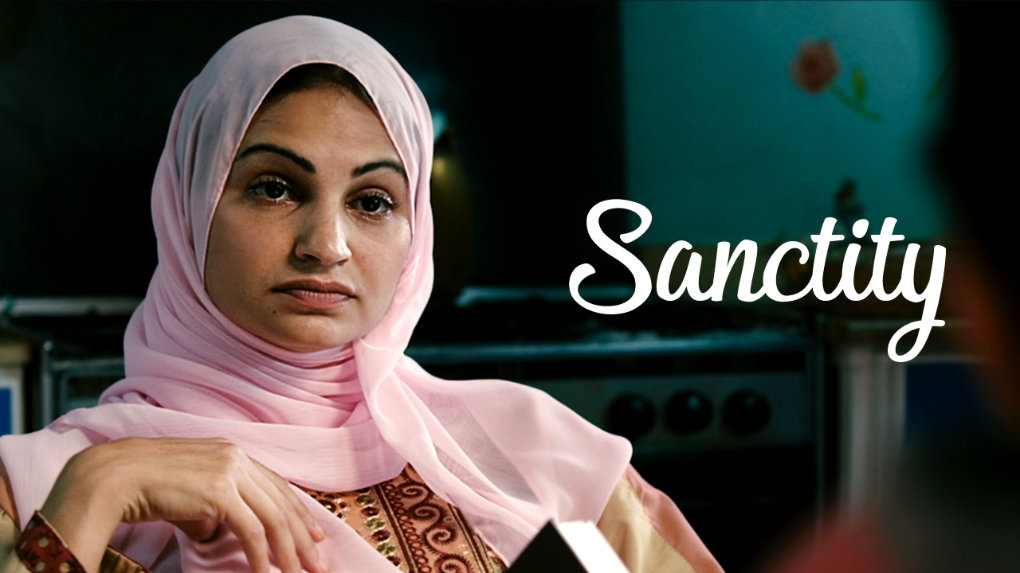
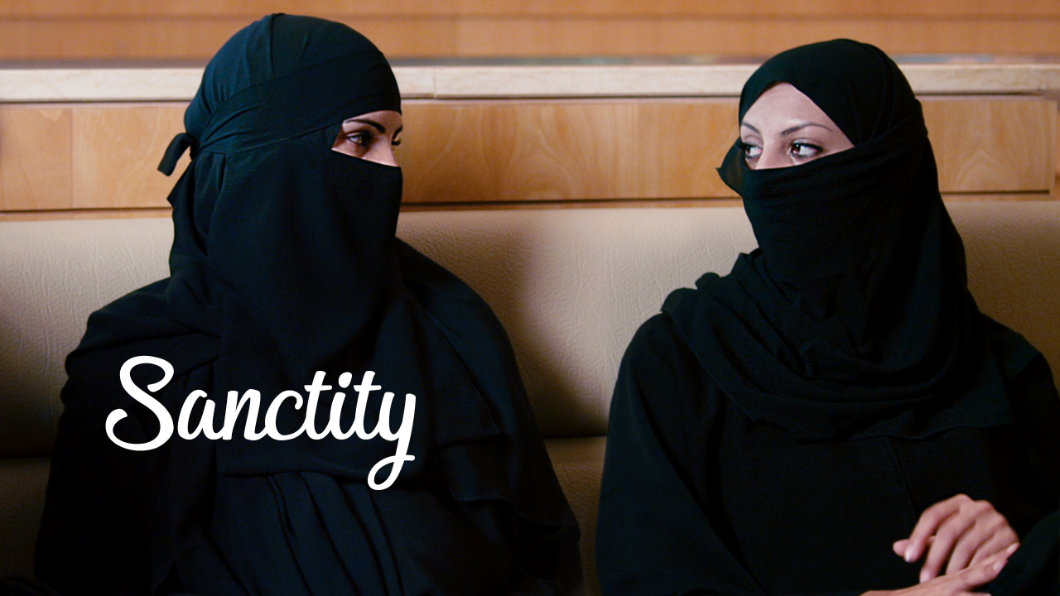
The film was nominated for a Golden Bear at the Berlinale 2013, and won a Golden Aleph at the Beirut International Film Festival as well as a Development Award at the Doha Tribeca Film Festival.
For many, the topic of the film might seem somewhat controversial. But for Kamel, it is simply about what a woman would do without a man, and “I don’t see anything controversial about that,” she told Arab News.
The idea for the film was born out of Kamel’s personal experience. At the age of 14, when she lost her father, Kamel saw her mother struggle to pick up the pieces and manage the household.
“I wanted to explore the topic of what is a woman’s power and where it lies,” she said. “I truly believe women can endure way more than men and it’s something that I wanted to honor.”
Kamel, who is also an actor, grew up in the Kingdom when a career in the film industry was not even possible. She moved to the US to study filmmaking — her true passion — and acting happened by chance.
In her initial roles, Kamel was cast as a terrorist, and then “upgraded” to a refugee and CIA agent. Going from a terrorist to an anti-terrorism agent for an Arab Muslim woman in Hollywood might seem like progress, but Kamel said that it was tied to a “political idea, whether we are creating terrorism or fighting it.”
Despite these challenges, Kamel added that “you have to continue believing in what you believe in.”
The Kingdom’s transformation, in particular, “shifts the whole paradigm,” she said. “If we (women) can say that we are part of writing the history of our culture and of our country, that is something quite groundbreaking and amazing.”
Netflix’s Because She Created collection includes films both by established, award-winning filmmakers as well as new talent. It also hosts work from “several underrepresented parts of the Arab world” that deserve a wider audience, El-Tayeb said.
“With this collection, we want to showcase the diversity and depth of work by women filmmakers in the region,” she added.
“We hope that through the collection, people around the world get a peek into award-winning masterpieces, directorial debuts and several poignant stories by female Arab filmmakers all at once.”


