

Saudi Arabia to spend $100m to train 100,000 locals to join tourism sector

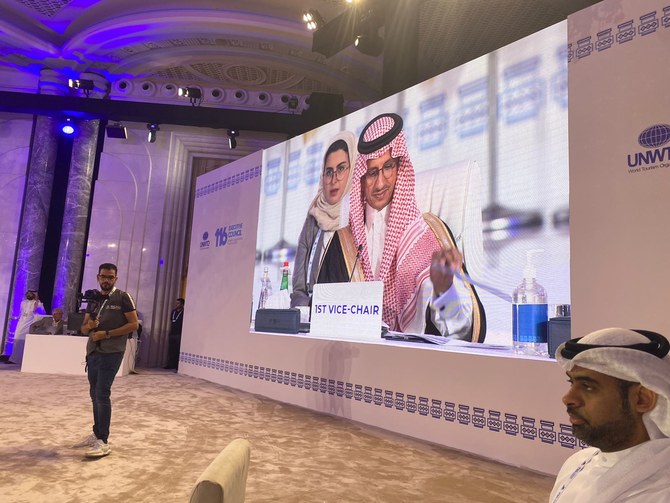
Saudi tourism minister Ahmed Al-Khateeb addressing UNWTO 116th session (AN)
Short Url
Updated 08 June 2022
Follow

Saudi Arabia to spend $100m to train 100,000 locals to join tourism sector

JEDDAH: Saudi Arabia has allocated $100 million to provide training for 100,000 people to work in the tourism and sustainability sector, as the Kingdom continues its steady journey to become a global tourism hub by the end of this decade, according to the tourism minister.

While speaking at the 116th Executive Council of the United Nations World Tourism Organization, Ahmed Al-Khateeb revealed that Saudi Arabia is working to make the tourism industry more resilient and sustainable than ever.

“We don’t want to build the industry like it was in 2019. We want to go beyond that point,” said Al-Khateeb.

The minister added that Saudi Arabia has allocated a sum of $800 billion to be spent on the tourism sector up to 2030.
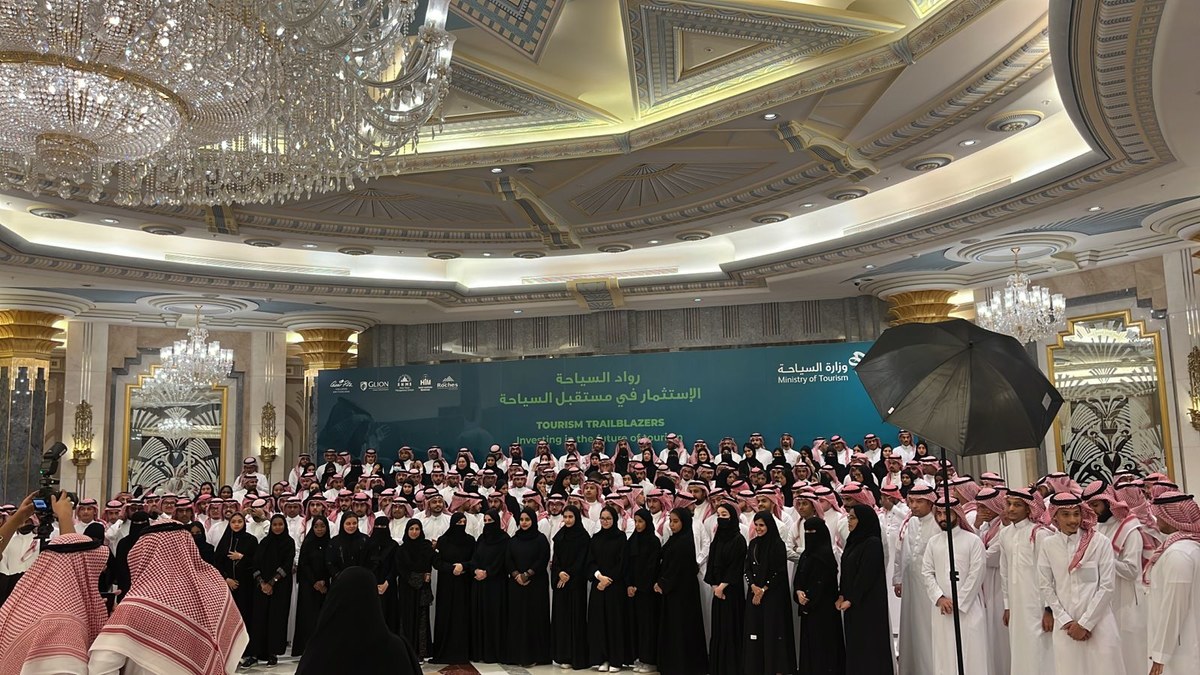
Al-Khateeb stated that 90 hotels were launched in the Kingdom as a part of its tourism strategy, and made it clear that more hotels will be launched in the future, with 70 percent being funded by the private sector.

He also added that Saudi Arabia will create a record in terms of inbound visitors in 2022.

The minister said that the tourism sector is responsible for 8 percent of global carbon emissions, and he urged everyone to focus on sustainability, which will in turn help achieve net zero by 2050.

As the tourism sector is recovering from the pandemic, Al-Khateeb said that the sector should be prepared for similar events like Covid which could happen in the future.


Saudi POS spending jumps 28% in final week of Jan: SAMA

Updated 06 February 2026
Follow

Saudi POS spending jumps 28% in final week of Jan: SAMA

RIYADH: Saudi Arabia’s point-of-sale spending climbed sharply in the final week of January, rising nearly 28 percent from the previous week as consumer outlays increased across almost all sectors. 

POS transactions reached SR16 billion ($4.27 billion) in the week ending Jan. 31, up 27.8 percent week on week, according to the Saudi Central Bank. Transaction volumes rose 16.5 percent to 248.8 million, reflecting stronger retail and service activity. 

Spending on jewelry saw the biggest uptick at 55.5 percent to SR613.69 million, followed by laundry services which saw a 44.4 percent increase to SR62.83 million. 

Expenditure on personal care rose 29.1 percent, while outlays on books and stationery increased 5.1 percent. Hotel spending climbed 7.4 percent to SR377.1 million. 

Further gains were recorded across other categories. Spending in pharmacies and medical supplies rose 33.4 percent to SR259.19 million, while medical services increased 13.7 percent to SR515.44 million. 

Food and beverage spending surged 38.6 percent to SR2.6 billion, accounting for the largest share of total POS value. Restaurants and cafes followed with a 20.4 percent increase to SR1.81 billion. Apparel and clothing spending rose 35.4 percent to SR1.33 billion, representing the third-largest share during the week. 

The Kingdom’s key urban centers mirrored the national surge. Riyadh, which accounted for the largest share of total POS spending, saw a 22 percent rise to SR5.44 billion from SR4.46 billion the previous week. The number of transactions in the capital reached 78.6 million, up 13.8 percent week on week. 

In Jeddah, transaction values increased 23.7 percent to SR2.16 billion, while Dammam reported a 22.2 percent rise to SR783.06 million. 

POS data, tracked weekly by SAMA, provides an indicator of consumer spending trends and the ongoing growth of digital payments in Saudi Arabia.  

The data also highlights the expanding reach of POS infrastructure, extending beyond major retail hubs to smaller cities and service sectors, supporting broader digital inclusion initiatives.  

The growth of digital payment technologies aligns with Saudi Arabia’s Vision 2030 objectives, promoting electronic transactions and contributing to the Kingdom’s broader digital economy.