LONDON: Charities have raised concerns over the potential for asylum seekers to be criminalized or transferred to Rwanda as the number being granted refuge in the UK hits a 30-year high.
The Guardian reported on Friday that Home Office data for the 12 months to March shows 75 percent of asylum claims were granted, with Syrians, Eritreans and Sudanese forming the majority of people making their way from countries with typically high approval rates.
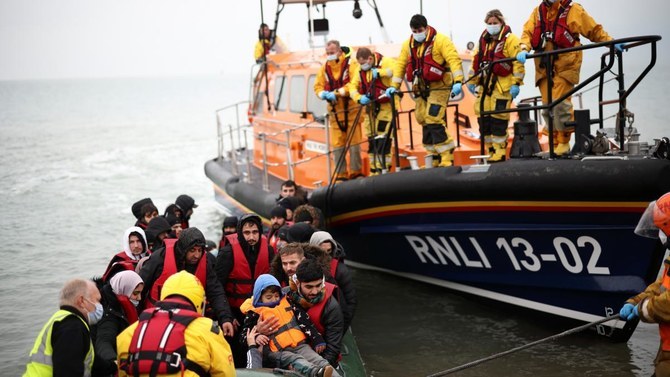
However, most of them entered the UK by small boats or other irregular routes now exposed to risks of prosecution under the Nationality and Borders Act passed last month.
The same dataset also showed an increase in the number of Afghans making their way to the UK via the dangerous English Channel crossing, indicating that the resettlement schemes launched after the fall of Kabul to the Taliban last year are not working.
“The government has said it is giving Afghans a ‘warm welcome,’ but these figures reveal that many have felt they have been left with no option but to take this dangerous route to make it to the UK,” said Marley Morris, associate director for migration at the Institute for Public Policy Research.
“The government’s new plans in response to the Channel crossings could mean that Afghan asylum seekers will be sent to Rwanda.
“Contrary to the government’s claims, there are few safe routes for people forced into small boats to make it to the UK.”


![]()

Concerns raised over criminalization, transfer of asylum seekers in UK
Short Url
https://arab.news/677rc
Concerns raised over criminalization, transfer of asylum seekers in UK
- Number being granted refuge hits 30-year high
- Most enter via small boats or other irregular routes now exposed to risk of prosecution


Latest updates


© 2026 SAUDI RESEARCH & PUBLISHING COMPANY, All Rights Reserved And subject to Terms of Use Agreement.