

Saudi firm Astra Industrial’s steel subsidiary sells stake in Iraqi unit in $195m deal

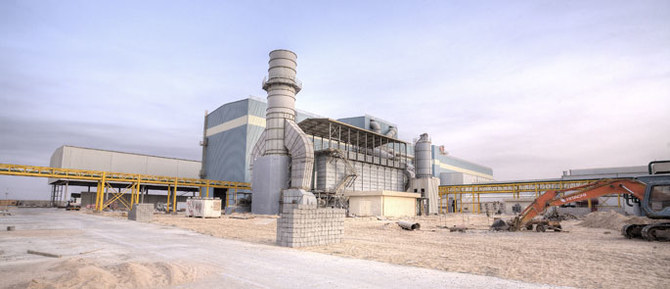
Al Tanmiya will use the proceeds to fund the company’s operations and growth plans. (Supplied)
Short Url
Updated 25 April 2022
Follow

Saudi firm Astra Industrial’s steel subsidiary sells stake in Iraqi unit in $195m deal

RIYADH: Astra Industrial Group’s Al Tanmiya Steel has sold its stake in its fully-owned Iraqi unit Al Anmaa for Construction Materials Production in a SR731 million ($195 million) deal.

The transaction was concluded with Alghad Almutkamel for General Trading and Iron and Steel Metallic Industries on Apr. 24, upon completion of the preset conditions, according to a bourse filing.

These included getting the required approvals, securing the necessary funding in Iraq, and settling loans owed by Al Tanmiya to Al Anmaa.

In addition, the shares have been fully transferred and registered in the buyer’s name.

Jordan-based Al Tanmiya, in which Astra Industrial holds a 65 percent stake, will use the proceeds to fund the company’s operations and growth plans.


US Treasury welcomes reactivation of Syria central bank account at New York Fed

Updated 5 sec ago
Follow

US Treasury welcomes reactivation of Syria central bank account at New York Fed

RIYADH: The US Treasury said it welcomed the reactivation of the Central Bank of Syria’s account at the Federal Reserve Bank of New York, marking the first time it has been operational since 2011.

The account had effectively been frozen after the outbreak of Syria’s civil war in 2011, when Washington imposed sweeping targeting the Syrian government, state institutions and individuals associated with the regime, designed to isolate Damascus financially and restrict its access to international banking channels.

It is the latest step in efforts to reintegrate Syria into the international financial system. The country has also begun reconnecting to the Society for Worldwide Interbank Financial Telecommunication network, a move that would end roughly 14 years of financial isolation and restore access to global banking channels.

In a statement posted on social media, the US Treasury Department said it was working with Syria’s new authorities to “responsibly reintegrate Syria into the global financial system,” adding that it welcomed the Syrian central bank’s announcement that its account at the New York Fed had been restored. 

The post also stated: “Sanctions relief was just the first step to realizing the President of the United States’ historic vision of greatness and prosperity in Syria.”

The release added: “We welcome the Syrian Central Bank’s momentous announcement that its account at the Federal Reserve Bank of New York was officially reactivated for the first time since 2011.”

Over the course of the more than 13-year conflict, sanctions expanded to include broader economic restrictions, including the Caesar Syria Civilian Protection Act enacted in 2019, which targeted foreign entities conducting business with the Syrian government. 

The measures contributed to Syria’s deep financial isolation and complicated humanitarian and reconstruction efforts.

Efforts to restore financial channels have been discussed intermittently as international actors assess pathways for humanitarian assistance and potential economic stabilization.

However, broader sanctions frameworks remain in place, and significant political and regulatory hurdles continue to shape Syria’s reintegration into the global financial system.

In recent years, regional institutions have gradually renewed engagement with Syria as part of broader efforts to stabilize the country and support economic recovery after more than a decade of conflict.

Syria was readmitted to the Arab League in 2023 after a 12-year suspension, reopening diplomatic channels with several Arab states.