Ramadan Recipes: Beef, cheese pull-apart buns

Short Url
Updated 21 April 2022
Follow

Ramadan Recipes: Beef, cheese pull-apart buns

Pull-apart buns are a popular choice of baked bread that can be flavored to suit sweet or savory tastes.

Also called monkey bread, the buns traditionally consist of a stack of rolled dough dipped in butter and baked in a pan.

In a blog, food writer Tori Avey said the style of bread was popularized in the 1940s in southern California, initially as a savory staple.

It was not until the 1970s that sugar and other ingredients were added to the mix, and it was given the names Hungarian coffee cake, and golden dumpling cake.

The most common version of the pull-apart bread involved rolling the dough, dipping it in butter, and then rolling it in a mixture of cinnamon, sugar, and brown sugar, which would then caramelize while baking to give a crunchy top to the otherwise soft dough.

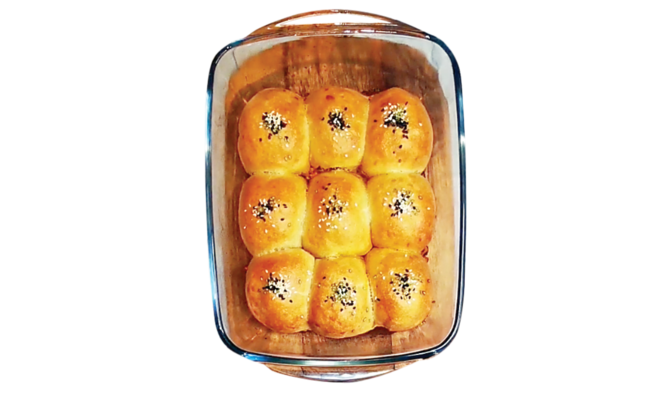
However, beef and cheese pull-apart buns are now popular and perfect for the iftar table. For the dough, mix together 150 milliliters of milk, 5 tablespoons of clarified butter, and one egg. To the wet ingredients add 1-1/2 teaspoons of yeast and 1 teaspoon of sugar. To activate the yeast, set the mixture aside for 10 minutes.

Mix a pinch of salt with flour and then combine it with the wet ingredients and knead the dough, either with your hands or paddle attachment. Cover the dough with a tea towel and place it in the warmest place in your kitchen for it to proof for an hour.

In a pan, add one onion and saute until it is golden, add 1 teaspoon of minced garlic, 400 grams of minced beef, and all the spices, including 1 tablespoon of paprika, 1-1/2 teaspoons of Cajun seasoning, 1 teaspoon of dry oregano, ½ teaspoon of chipotle powder or hot smoked paprika, and salt and pepper. Let the minced beef cook until tender.

Then add half of a red bell pepper diced and cook for another five minutes. Set aside the mixture to cool completely. Prepare 150 grams of grated red cheddar cheese.

Once the dough is proofed and the mixture cooled, portion the dough into balls of whatever size desired. Fill each ball with the mincemeat mixture and grated red cheddar cheese and make sure each ball is completely sealed. Place the dough balls in a greased dish, cover it with a tea towel, and proof for another 20 minutes. Brush the tops with milk and sprinkle with toppings of your choice, although black and white sesame seeds are recommended.

Place your buns in an oven and bake at 190 degrees Celsius for 25 minutes. Serve hot.

Where We Are Going Today: Nakhat Marga

Photo/Supplied
Updated 21 February 2026
Follow

Where We Are Going Today: Nakhat Marga

  • For the main course, the menu offers a variety of meat and chicken dishes, but the must-try is madhgout laham, a flavorful one-pot meal of spiced meat slow-cooked with rice and served hot

Nakhat Marga, with locations in Al-Naeem and Al-Waha in Jeddah, is a restaurant that focuses on traditional Saudi meat and broth dishes, making it a fitting choice to celebrate Saudi Founding Day. 

The menu is structured around classic dishes, offering a wide selection of meats, chicken, and accompanying sides that reflect the culinary heritage of the Kingdom.

We began with jareesh, a creamy, savory porridge, and marqa, a slow-cooked stew of tender meat, onions, garlic, and different spices, simmered to create a rich broth. 

For the main course, the menu offers a variety of meat and chicken dishes, but the must-try is madhgout laham, a flavorful one-pot meal of spiced meat slow-cooked with rice and served hot.

If you are looking for other rice options, red meat madhbi is cooked in a traditional style, with muqlaqil and maknoom offering familiar tastes that many in Jeddah would recognize from home-cooked meals. 

Among the chicken dishes, kabli stands out for its balanced flavor, but the must try is the maqluba which is served in a generous portion, layering rice and chicken in the classic inverted style. The taste is so good that you may end up eating more than you expected.

Side dishes such as liver and moussaka were consistent with their descriptions and went well with the mains, not too heavy or filling. I also tried the yogurt cucumber salad, which offered a simple, cooling contrast to the heavier meat dishes.

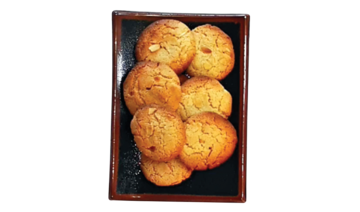
Desserts such as basbousa are served with a dipping sauce, while marsa, made from semolina, sugar, butter, and flavored with cardamom, is similar in texture to basbousa but may vary slightly in ingredients and taste different.

Aseedah is a must-try when visiting, delivering a comforting taste of Saudi cuisine with its soft, traditional porridge served with butter, honey, or date syrup.

The restaurant’s atmosphere leans more toward functional but traditional dining rather than an elaborate experience, which keeps the focus on the food itself.