

Evolution of Makkah’s landscape and transport helps pilgrims, visitors

1 / 7
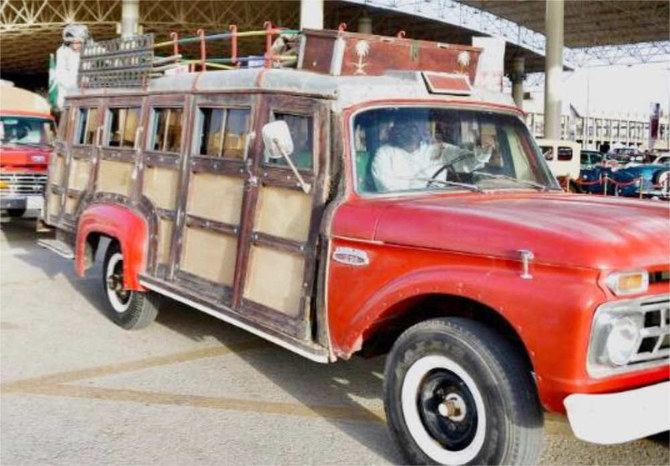
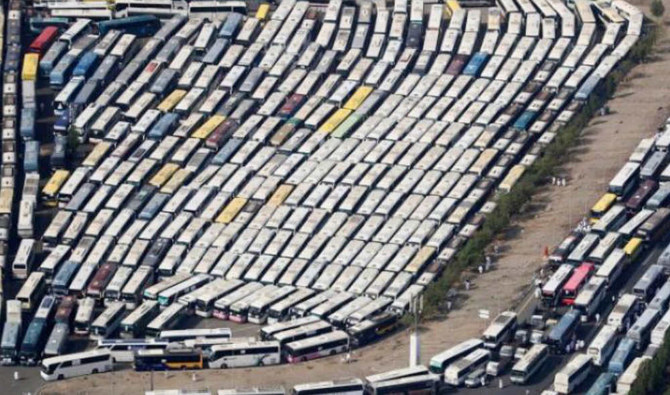
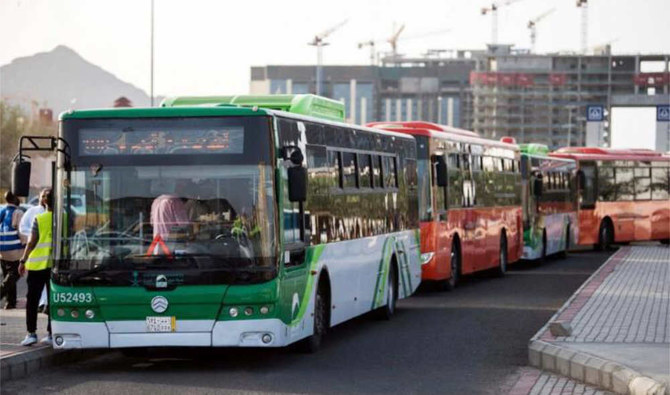
The bus shuttle service in Makkah, which was implemented three decades ago, has facilitated in organized traffic movement. Decades ago, people took arduous trips to Makkah on foot or camels. (Supplied)
2 / 7
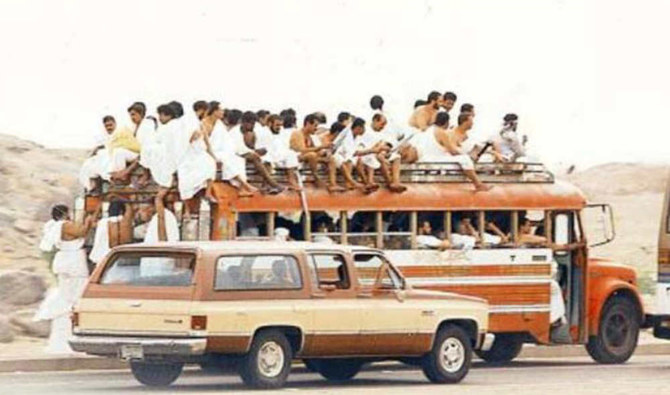
Transport underwent a huge revolution after the discovery of oil, leading to the use of cars, buses, aircraft and trains. (Supplied)
3 / 7
Transport underwent a huge revolution after the discovery of oil, leading to the use of cars, buses, aircraft and trains. (Supplied)
4 / 7
Transport underwent a huge revolution after the discovery of oil, leading to the use of cars, buses, aircraft and trains. (Supplied)
5 / 7
Transport underwent a huge revolution after the discovery of oil, leading to the use of cars, buses, aircraft and trains. (Supplied)
6 / 7
Transport underwent a huge revolution after the discovery of oil, leading to the use of cars, buses, aircraft and trains. (Supplied)
7 / 7
Transport underwent a huge revolution after the discovery of oil, leading to the use of cars, buses, aircraft and trains. (Supplied)
Short Url
Updated 11 April 2022
Follow

Evolution of Makkah’s landscape and transport helps pilgrims, visitors

  • Innovative ideas and technology have transformed movement around the city

MAKKAH: During the past few decades the transport sector in Makkah has overcome major challenges by implementing innovative ideas and technology, transforming the landscape of the city.

Dr. Samir Barqa, a researcher specializing in the history of Makkah, said that after God ordered the Prophet Ibrahim to perform pilgrimage, visitors began arriving by foot, horse and camel.
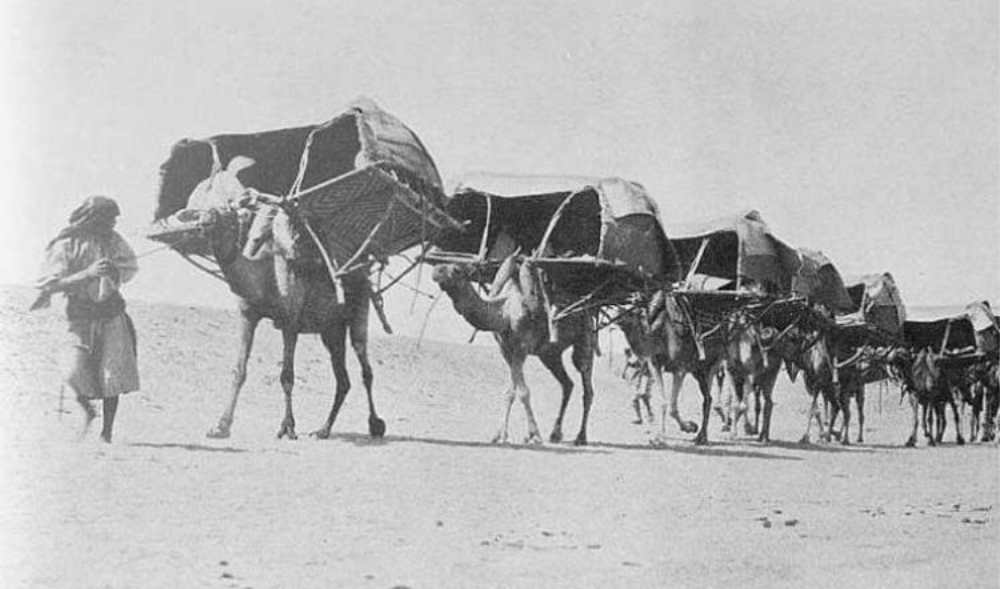
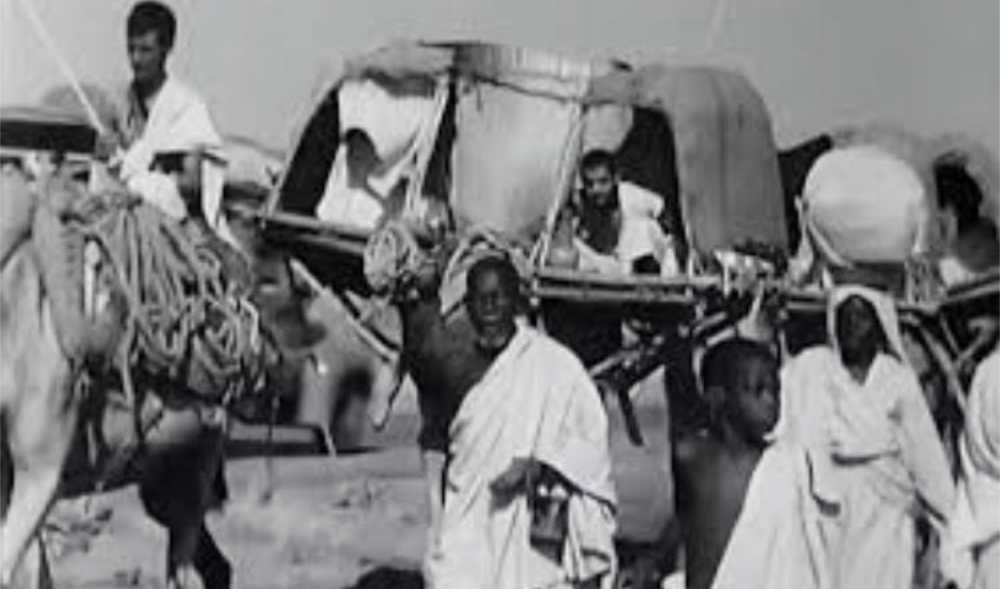
“Transport has evolved over time. People used to walk for months to reach Makkah, with a lot of them dying on the way. Then people started using camels, also known as ships of the desert. Then ‘howdas’ were invented to carry women and the Kiswa to cover the Kaaba. Caravans used to travel by the thousands. Pilgrimage paths and the Zubaidah trail are clear examples of this movement, with camel passageways bearing witness to the importance of these routes,” he said.

FASTFACTS

● Saad Al-Qurashi, an investor in the transport sector in Makkah, said that transport in Makkah had gone through a major revolution.

● Saad Al-Qurashi said that Makkah differs from other cities because of its difficult topography, which in the past had made the task of cutting the mountains to facilitate access to the central area around the Grand Mosque a major challenge.

Transport underwent a huge revolution after the discovery of oil, leading to the use of  cars, buses, aircraft and trains.

“Those who will look at the images of transportation today will see a clear difference and remarkable development, especially in the past 100 years. I had the honor, being a guide serving the pilgrims, to hold an exhibition highlighting the development of Hajj over time. The exhibition included a special pavilion for transport featuring images that showcase the development of this service over time,” Barqa said.

Saad Al-Qurashi, an investor in the transport sector in Makkah, said that transport in Makkah had gone through a major revolution.

Al-Qurashi explained that “whoever examines the transport movement in Makkah cannot but note the importance of the great development that this city has witnessed, a city that receives millions of Muslims from all over the world. The Kingdom was able to overcome this major challenge by launching Makkah buses of the highest standards. We have also the Haramain train, the Holy Sites train and public shuttle-bus transportation, all of which contribute to serving visitors and pilgrims.”

Al-Qurashi said that Makkah differs from other cities because of its difficult topography, which in the past had made the task of cutting the mountains to facilitate access to the central area around the Grand Mosque a major challenge.
He said that the “most important feature of this challenge was the ability of the country to turn the ruggedness of the mountains into tunnels that linked all regions of Makkah.”

These mountains, with their height and structure, constitute a natural barrier and an obstacle to reaching the opposite side of the mountain except by circumventing them; an exhausting, daunting and time-consuming task.

Government agencies searched for innovative ways, methods and solutions to overcome this challenge, resulting in the idea of building tunnels within the mountains.

Al-Qurashi said: “The public bus-shuttle transportation project, implemented three decades ago in the Holy Sites, contributed to ending traffic caused by normal transport systems.”

Makkah is now taking on the challenge to become a smart city with modern technical applications to create an advanced transportation system to further organize traffic movement.


Ramadan spending lifts small Saudi businesses in Diriyah’s Samhaniya

Updated 7 sec ago
Follow

Ramadan spending lifts small Saudi businesses in Diriyah’s Samhaniya

  • Abayas, perfumes, heritage products in abundance
  • Proudly Saudi, operators and owners tell Arab News

RIYADH: In the Samhaniya neighborhood, a pocket of Diriyah, old mud-brick houses have been restored and repurposed into small shops and studios.

Throughout Ramadan, the neighborhood sees a familiar surge: longer nights, busier walkways, and more spending tied to hosting, gifting, and evening gatherings.

At Artisana, a Saudi brand specializing in handmade crafts, that shift is reflected in customer interest and purchasing.

Inside the shop, shelves and tables are arranged like a gift gallery, with handcrafted ceramics including cups, bowls and lidded containers.

Alongside are ready-to-carry items including subha or prayer beads, scarves, and handbags with traditional embellishments of different regions of the Kingdom.

Operator Ghalia Al‑Mutairi told Arab News: “Artisana is a leading Saudi brand in handmade crafts, known for transforming skilled craftsmanship into timeless gifts that carry cultural meaning and emotional value.”

The store’s focus is on presenting Saudi handcrafted products through pieces that celebrate heritage and inspire pride, she said.

The brand has developed four main product lines to cover a range of gifting needs, from simple souvenirs to luxury items, curated to highlight each product’s cultural and aesthetic value.

Ramadan brings a noticeable rise in demand, Al‑Mutairi said, driven by a mix of social habits and the month’s reflective atmosphere.

“Gift-giving culture increases in Ramadan, and Artisana’s heritage character makes it an ideal option that expresses authenticity and Saudi generosity.”

A few doors down, the same Ramadan rhythm plays out in scent.

“Ramadan is known as a season, and naturally sales are higher then,” Suleiman Al‑Durayhim, who co‑founded Oud AlDurayhim with his brother, told Arab News.

The month, he added, pushes brands to highlight what they have and stand out in the market.

Oud AlDurayhim’s setting matches its stock: textured mud walls, carved wooden display towers filled with oud chips, and gift boxes arranged beside small burners.

Glass decanters and mixing vessels sit behind the counter, holding amber-toned oils prepared for customers who want a specific profile.

“We’ve had strong demand, especially here in Diriyah, not only across the Kingdom but across the Gulf as well,” Al‑Durayhim said.

The brand began as a small venture and later took on the family name. Among the scents on the shelf, one is kept especially close: Saad, a perfume named after his late father, carrying family memory into something customers can wear and share.

Nearby is Suweik, a restored building that operates like an indoor strip of local labels, which has become another Ramadan stop for shoppers.

Nour Ahmed, a sales associate at Ghain Abaya, told Arab News that the brand built its online audience before opening its first brick-and-mortar shop in Diriyah.

“The brand has been on Instagram since 2017, and this is its first physical shop, where there’s been a great turnout.”

She added that prices range from SR170 ($45) to SR550.

This Ramadan has brought a much stronger flow of visitors. “Last year there weren’t that many people, but this period there’s a lot of turnout, especially from foreigners too,” she said.

“A lot of Europeans come because they want to see the abayas, and they even want the hijab, and they kind of feel a sense of spirituality with Muslims.”

Samhaniya itself has grown over the last few years, Ahmed said. “At first it was only cafes and the guesthouse, but now it’s extended to the end of the street. It’s all Saudi brands.”
