


BELGRADE: Since 2004, Brussels-based Mophradat has been an invaluable source of support for artists from the Middle East. Previously operating as the Young Arab Theater Fund (YATF), the organization was instrumental in the establishment of some of the Arab world’s first independent performing arts venues. It evolved to its current form in 2015, working to offer creatives from a wide range of disciplines opportunities through funding and grants, and fostering networks, curation and new art spaces.
Last year, Mophradat assembled a group of children’s books authors — Palestinian novelist, poet and teacher Ahlam Bsharat, award-winning author Hadil Ghoneim, and Egyptian writer and researcher Yosra Sultan — and connected them with six of the region’s most prolific musicians and songwriters.

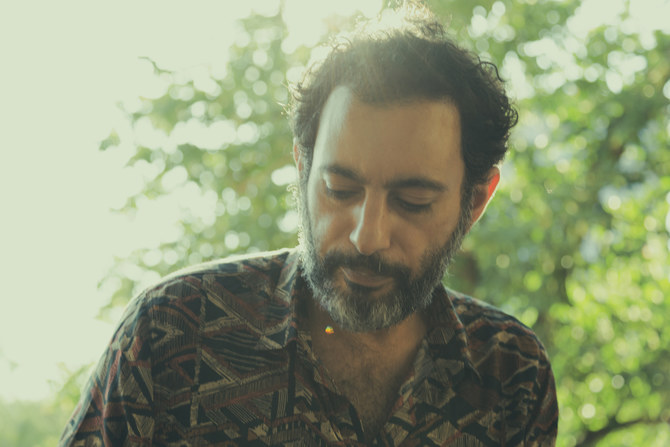
Sam Shalabi. (Supplied)
Huda Asfour, Rehab Hazgui, Maurice Louca, Aya Metwalli, Sam Shalabi and Aalam Wassef then collaborated to craft “Affratta,” an imaginative, eclectic album featuring sonic interpretations of the stories authored by the three writers.
Sultan was initially brought in to help Mophradat’s director Mai Abu El-Dahab with a workshop bringing together people interested in children’s literature. But with a couple of her own soon-to-be-released children’s books already in the works, her role was quickly upgraded to one of the contributing writers.

Yosra Sultan. (Supplied)
“We identified thematic gaps that we, as authors and young, progressive parents, would like to see more of in children’s books,” she says. “We wanted to make sure that the songs were sending the right messages to kids, and that they were fun, engaging and respectful of different interests and tastes in music.”
The writing process then took off in earnest. “We had a lot of freedom, and it was all really fun. Whoever had an idea just ran with it, with some feedback from the other writers and Mai,” Sultan explains. “And we were all excited to see what the musicians would do with the lyrics.”
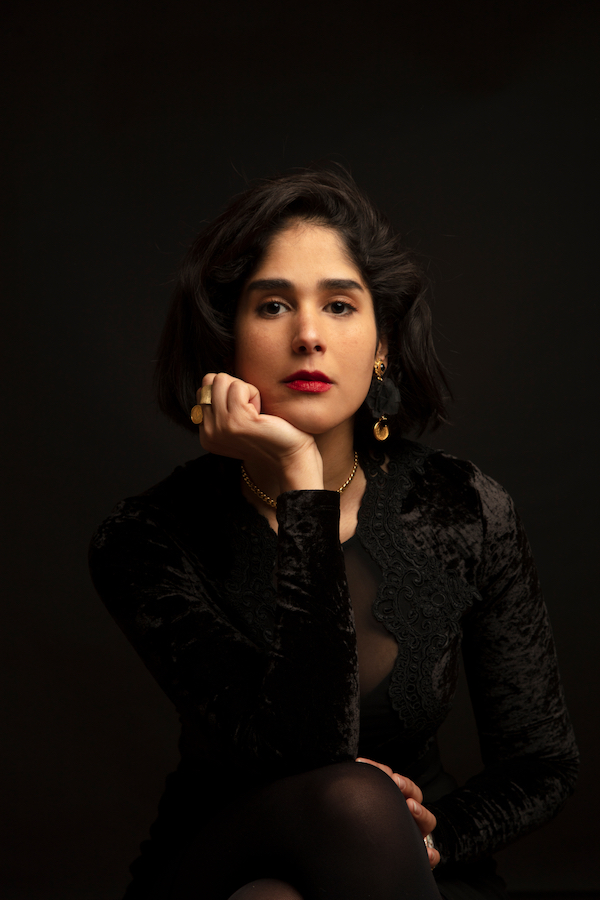
Aya Metwalli. (Supplied)
Egyptian-Canadian composer Shalabi, whose work fuses experimental, modern music with Arabic, shaabi, noise, classical, text, free improvisation and jazz, was one of those translating the words into intriguing aural landscapes.
“Mophradat and Maurice (Louca, Egyptian musician and composer) got us all together, specifically for the purpose of creating something different,” Shalabi recalls.
Due to the pandemic (and geography), communication took place online. “We all had Zoom discussions about the tone and what we wanted to do with the texts. Then it was decided quite intuitively who would take the lead on a particular piece. Someone would start and the others would join in. It was very much collaborative, almost improvised, and really fun.”
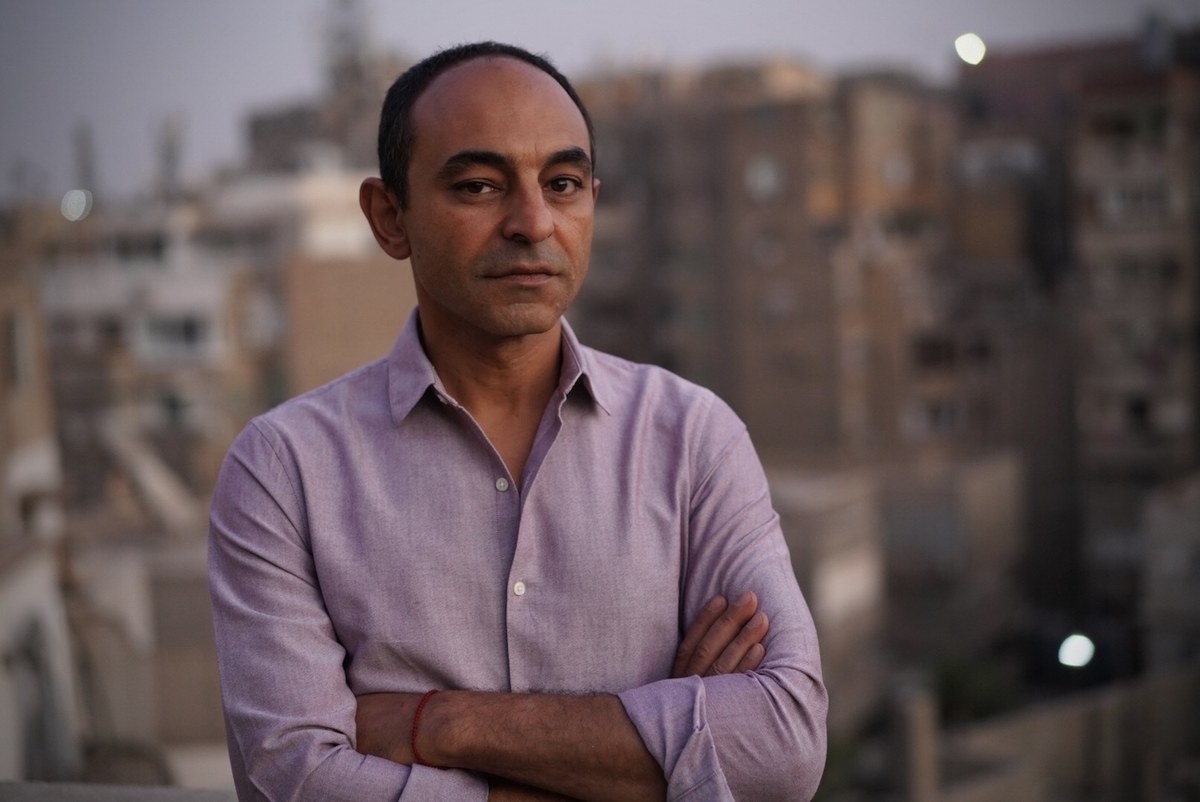
Aalam Wassef. (Supplied)
In keeping with the brief, Shalabi and his peers did not specifically set out to create children’s music. “We were writing what we imagined would be interesting, without limiting ourselves to what people generally assume children would understand.
“Mophradat and Maurice trusted us to not be too indulgent and do something that we thought was cool but would end up alienating or confusing children. They picked great people for this, so it was very organic in that respect — each of us contributed a piece of who they are musically in an interesting, non-hierarchical way.”
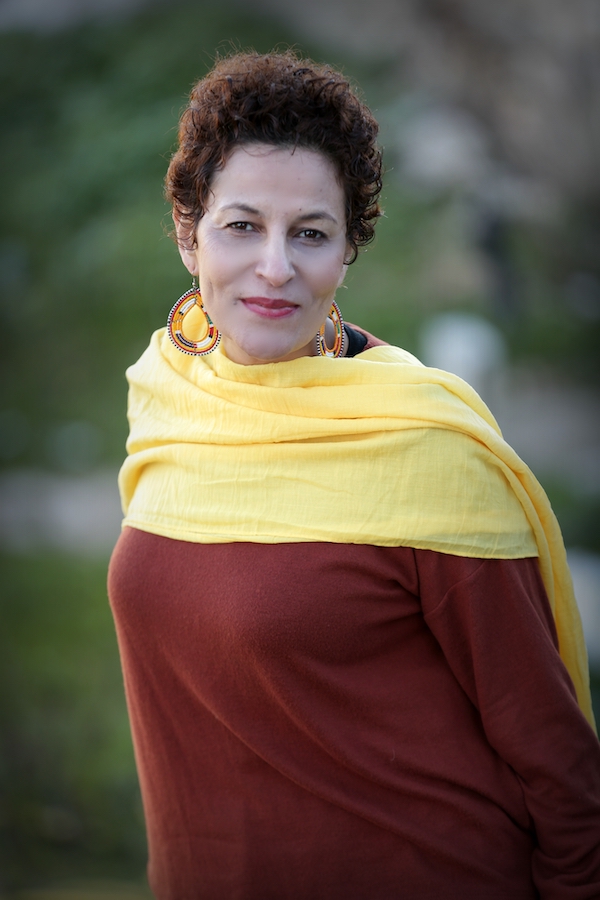
Ahlam Bsharat. (Supplied)
Fittingly for the project, the composers sought to rediscover their inner child in the writing process. “It was a fantastic experiment,” Shalabi says. “You have to try and recall your own childhood and think of what you would have been into.
“It tends to be a prefab style — something only becomes children’s music if someone says it is. The Beatles’ ‘Yellow Submarine’ is often considered a children’s song, but it’s a wonderfully strange, experimental piece of music.”
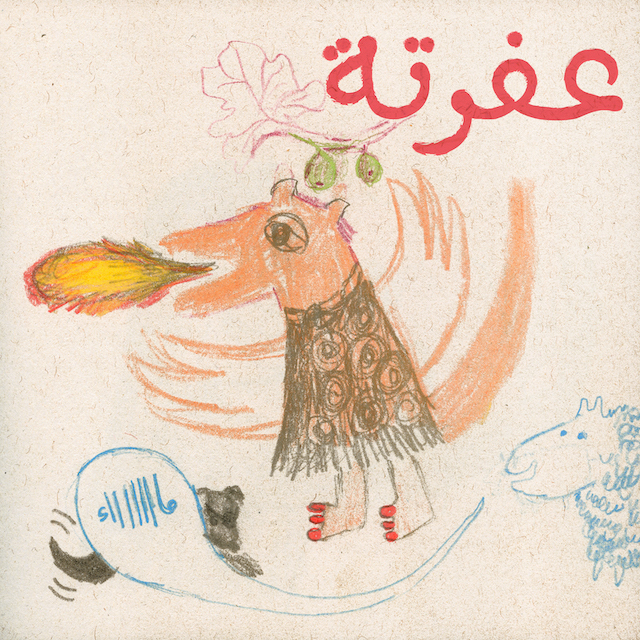
Affratta artwork. (Supplied)
Indeed, the idea of play is a defining characteristic of “Affratta.” “It became a kind of connecting thread,” Shalabi says. “You can be playful as you grow up and retain that. Children get it, because they’ll listen to adult music and they’ll enjoy it. It was definitely an abstract tendency that we would tap into while working.”
For Sultan, the unconventional approach to songwriting is what makes the album special. “Not all of the songs are the catchy, jingly stuff that you would expect to hear in children’s music, but I play it for my four-year-old and her friends, and they absolutely love it,” she says.
“Kids don’t lie when they’re that young, so from where I stand, that’s a job well done. I don’t think anything like this has been done in the Arab world for a long time, and I really hope people pick up on it and do more of this kind of thing.”


