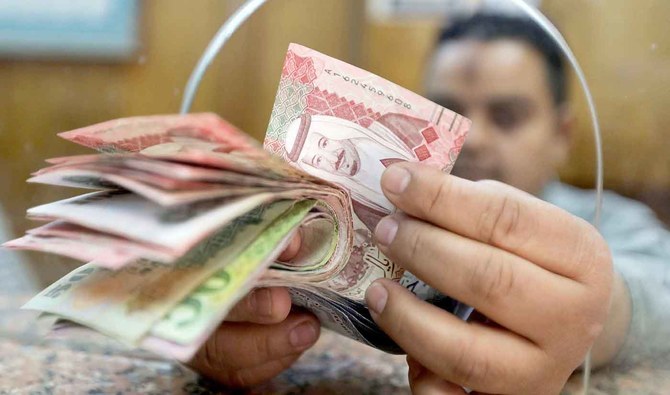

KARACHI: Pakistan’s top central bank official thanked the country’s nationals residing in Saudi Arabia on Sunday for making the largest contribution after receiving $3 billion through Roshan Digital Account (RDA).
The RDA initiative was launched in September 2020 for non-resident Pakistanis, providing them digital access to all conventional account services including fund transfers, bill payments, and e-commerce in their home country.
By January 2022, the money inflow through RDA increased to $3.44 billion.
The amount is even greater than what the country has so far received from the International monetary Fund (IMF) under the $6 billion loan program.
“I want to thank all overseas Pakistanis from Saudi Arabia who have made the kingdom number one in terms of its contribution to Roshan Digital Accounts,” Governor State Bank of Pakistan (SBP) Dr. Reza Baqir said during an RDA promotional event in Riyadh.
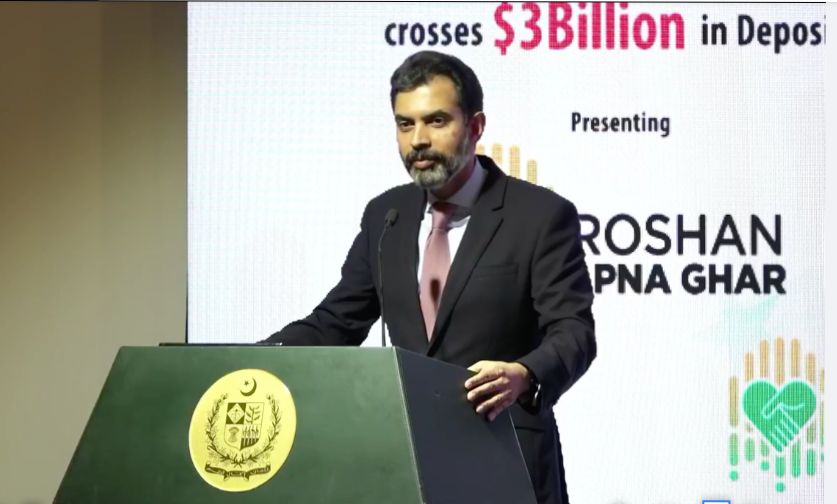
Dr Reza Baqir, governor State Bank of Pakistan, speaks at an interactive session about Roshan Digital Accounts organized by the Embassy of Pakistan in Riyadh on February 6, 2022. (AN Photo)
According to the SBP, Pakistanis in 175 countries have opened 345,570 accounts and invested $2.32 billion in Naya Pakistan Certificates. The overseas Pakistanis have also invested $34 million in the equity market.
The RDA enables Pakistanis living abroad to deposit and invest in their country of origin. They have been offered Naya Pakistan Certificates, a financial instrument, by the government to invest in US dollars and Pakistani currency with returns of 7.5 and 11 percent on five-year maturity.
The SBP governor said the RDA was the result of unconventional thinking on the instructions of Prime Minister Imran Khan.
“The initiative was launched on the directive of the prime minister to facilitate overseas Pakistanis, making it more convenient for them to send money to Pakistan and invest in their home country,” he continued.
He added it was possible to open RDA within 48 hours from anywhere in the world.

Participants attend an interactive session about Roshan Digital Accounts organized by the Embassy of Pakistan in Riyadh on February 6, 2022. (AN photo)
“Previously it was not possible to open a bank account remotely, but now you can open your account digitally from any country within 48 hours,” Baqir said. “Technology has made it possible and you don’t need to be physically present in Pakistan for this purpose anymore.”
Asked about the “cumbersome procedure” of repatriating money from Pakistan as compared to sending it to the country, the SBP governor said overseas Pakistanis could withdraw funds without seeking permission from the central bank.
“The money that was brought into the country was very difficult to repatriate out of the country,” he acknowledged, “but now this account has made it possible and easy.”
He announced the deployment of a central bank representative in Saudi Arabia to address the problems faced by overseas Pakistanis.
Addressing the event, Pakistan’s envoy to the kingdom Lt. Gen. (r) Bilal Akbar called the RDA a unique initiative.
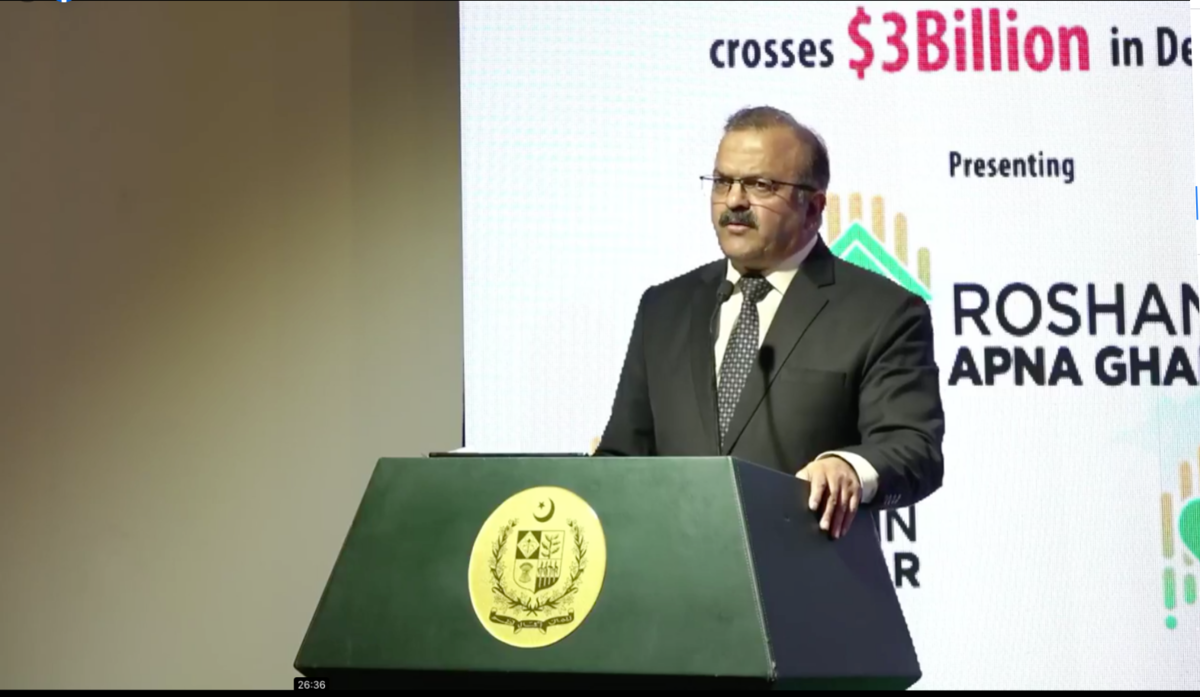
Lt. General (Rtd) Bilal Akbar, Ambassador of Pakistan in Saudi Arabia, speaks at an interactive session about Roshan Digital Accounts organized by the Embassy of Pakistan in Riyadh on February 6, 2022. (AN photo)
“Your Roshan Digital Account is a unique and better product from every perspective,” he said. “It provides overseas Pakistanis a great opportunity to spend their income as per their own priorities and requirements.”
The RDA is a major central bank initiative offered by 12 commercial banks that are digitally connecting members of the Pakistani diaspora with the banking system of their home country.