



JEDDAH: Saudi Arabia is rich with many potential geothermal sites along the western coastal side of the Red Sea such as Ain Al-Harrah, which is one of the most important and prominent therapeutic and tourist destinations in the Makkah region.
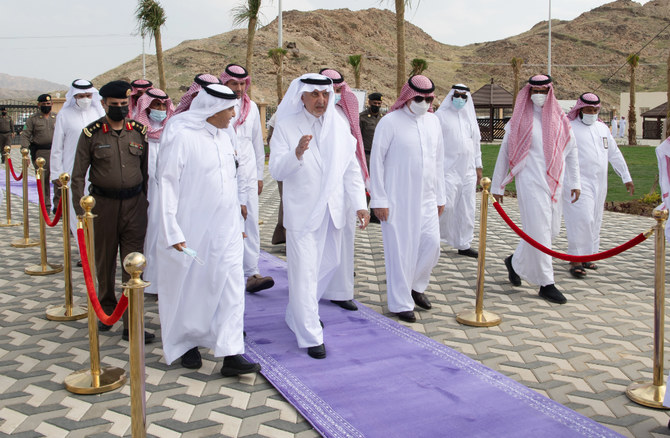
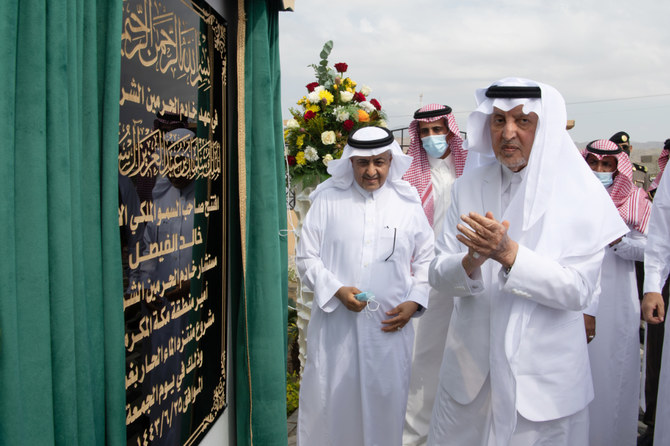
Makkah Gov. Prince Khaled Al-Faisal recently inaugurated the development project for Ain Al-Harrah Park in the Ghamika Center, Al-Laith governorate.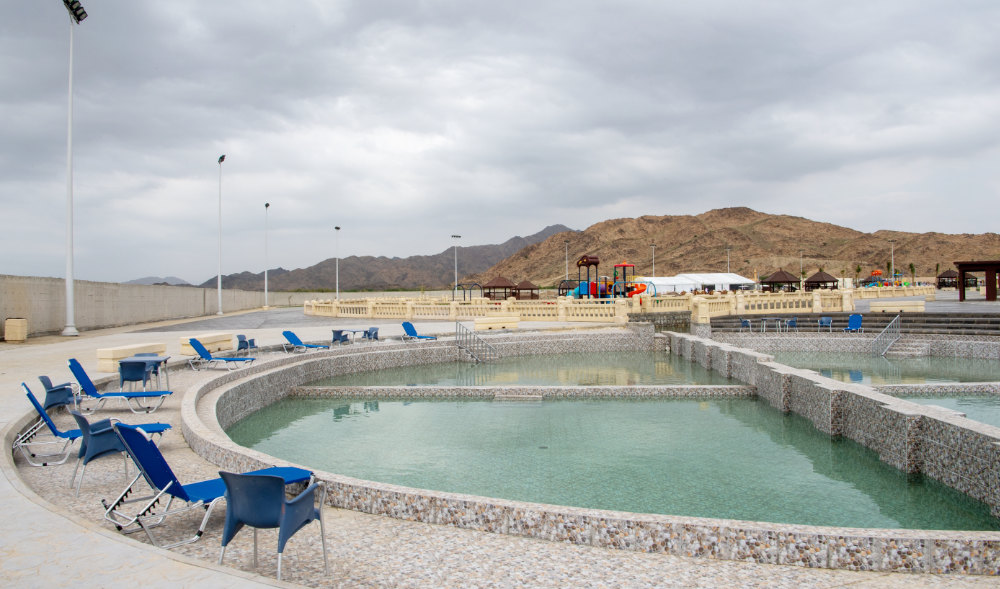
The development project is aimed at rehabilitating the site after it was inundated by heavy rains that fell on the province several years ago. The project includes the formation of a working group to study how to protect the site from torrential rain.
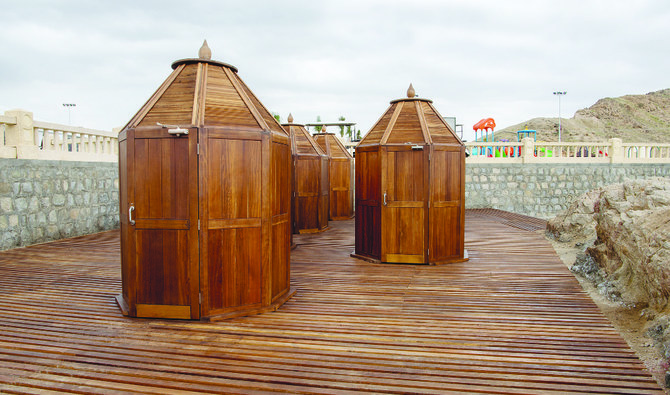
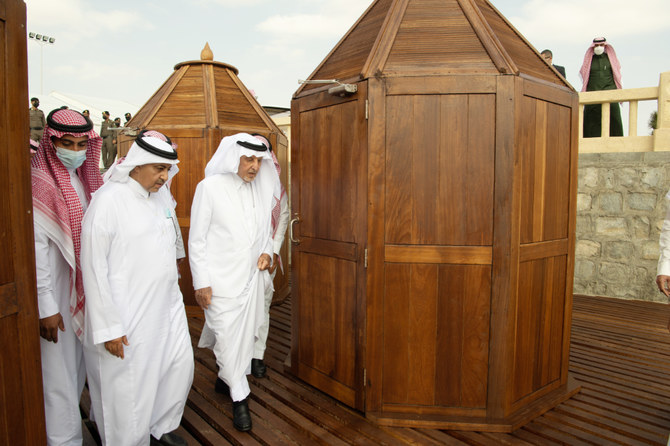
Ain Al-Harrah’s therapeutic hot spring includes 19 sub-springs and is 165 meters above sea level, with a water temperature of over 80 degrees Celsius and an estimated area of 49,800 square meters. Ain Al-Harrah includes seven wooden sauna rooms over a basin area of 400 meters.
The hot spring’s site is almost flat topographically. It is surrounded by 20,000 square meters of green space and has a mild climate and beautiful nature.
HIGHLIGHTS
• Hot springs are one of the most popular destinations around the world for those seeking physiotherapy, relaxation, and medicinal tourism. It is a natural phenomenon where the groundwater is heated via molten rock or by circulation through faults to heat rocks deep in the Earth’s crust.
• Bathing in or even drinking the mineral-rich water helps in healing an array of health and skin issues such as psoriasis and eczema, joint problems, or chronic diseases.
It is ringed by a 400-meter concrete wall that was built to protect the basin area from torrential rain due to past severe weather damage, which previously led to the collapse of a dam.
With its spaces for camping and meditation, the park also serves as a great family destination. Its green areas have an automatic irrigation network, lighting, a children’s playground, wooden parasols, toilets, and pedestrian paths.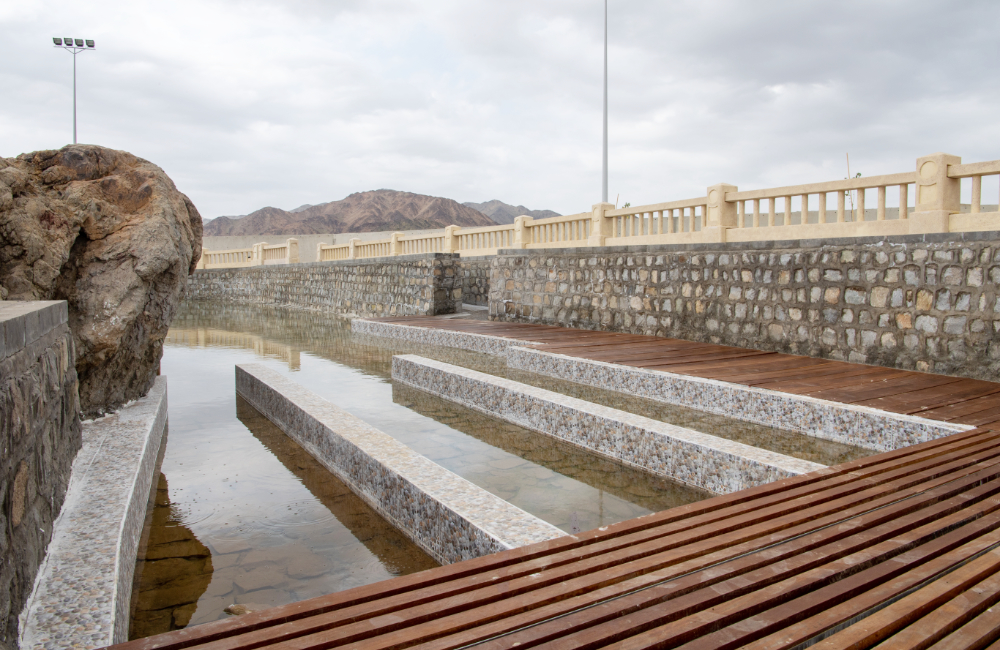
The spring’s flowing hot water contains dissolved sulfurous minerals in its composition, bubbling up from the ground through rocks that make up the village’s topography.
Sulphureous mineral water is known for its therapeutic effect and benefits for different parts of the body, including skin allergies, as it is a natural healing source for respiratory and musculoskeletal disorders.
Hot springs are one of the most popular destinations around the world for those seeking physiotherapy, relaxation, and medicinal tourism. It is a natural phenomenon where the groundwater is heated via molten rock or by circulation through faults to heat rocks deep in the Earth’s crust.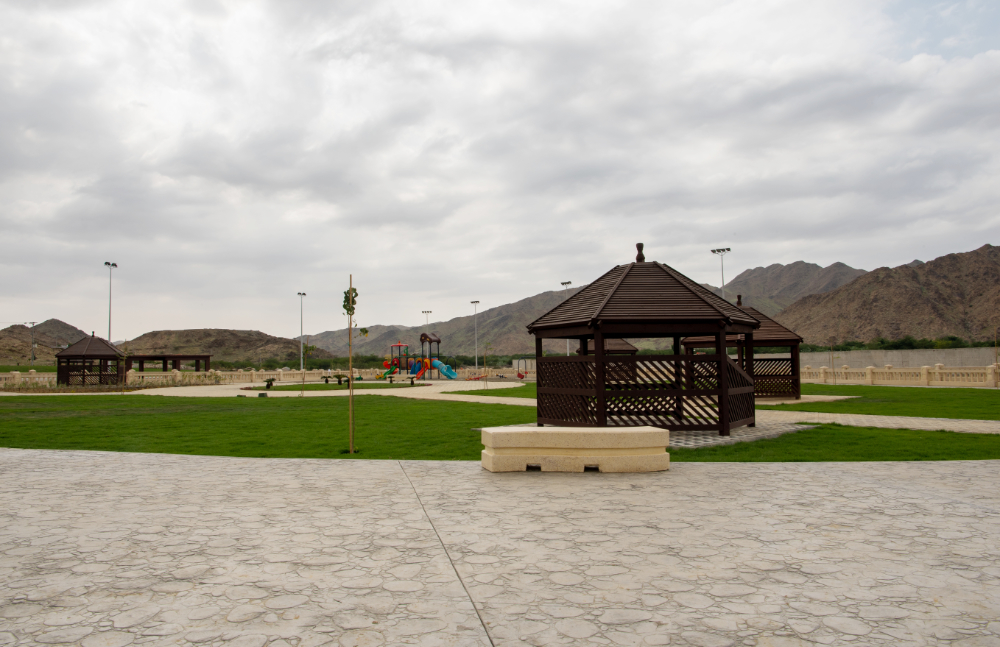
Bathing in or even drinking the mineral-rich water helps in healing an array of health and skin issues such as psoriasis and eczema, joint problems, or chronic diseases.
Saudi physiotherapist Rahaf Meer said the effect of hot springs depended on the heat and mineral content of the water.
“It also heals joint pain, where patients would feel very relieved after a bath in such water, rich with very beneficial healing elements,” she told Arab News. “But, if accompanied with techniques such as exercise and joint mobilization, we will see improvements in many cases. And, of course, it has a psychosocial effect that makes the patient feel better.”
There are more than 12 sulfur hot springs in Saudi Arabia dotted across Jazan and Makkah, with seven in Al-Ahsa.


