




JEDDAH: Hydroponics is the science of growing plants without soil and with limited amounts of water. As a farming method it has a number of benefits: It helps to develop fibrous roots for improved nutrient absorption, reduces the risk of roots rotting and promotes the rapid maturity of plants.
By using innovative design that requires minimal space, hydroponics gardens can grow fruit, vegetables and flowers in half the time of traditional agriculture, using 90 percent less water.
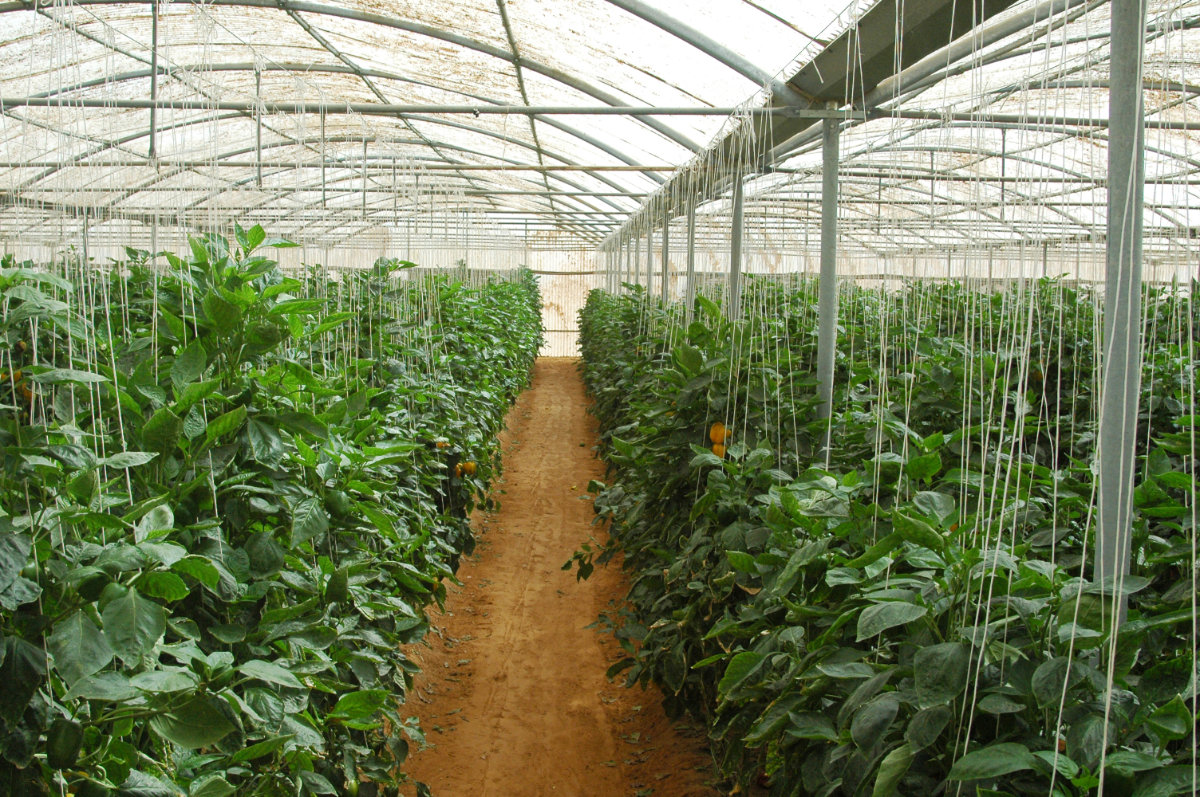
Saudi Arabia, which covers 80 percent of the peninsula, will use sustainable agricultural techniques, such as hydroponics, to cut water waste by 50 percent by 2030, above. (Supplied)
Historical records reveal that the first recorded uses of hydroponic systems were in the Hanging Gardens of Babylon, the floating gardens of the Aztecs, and gardens in ancient China.
In modern times, a NASA-sponsored experiment on the Mir space station in 1997 used aeroponics to grow bean seedlings in zero gravity, raising the prospect of sustainable agriculture in space. Aeroponics is a form of hydroponics in which the plants are fed using a mist sprayed onto their roots, rather than being suspended in water.
In recent years, the popularity of hydroponics has gained momentum, as existing farmers and people without any experience in traditional farming seek to take advantage of advances in technology and the potential benefits they can bring.
Low rainfall, limited availability of freshwater from rivers and lakes, and dwindling, non-renewable groundwater reserves mean that the Middle East is the most water-stressed region on earth. Meanwhile, regional demand for water is soaring — and likely to continue to rise given population growth and economic development — resulting in some of the highest per-capita water consumption rates in the world.
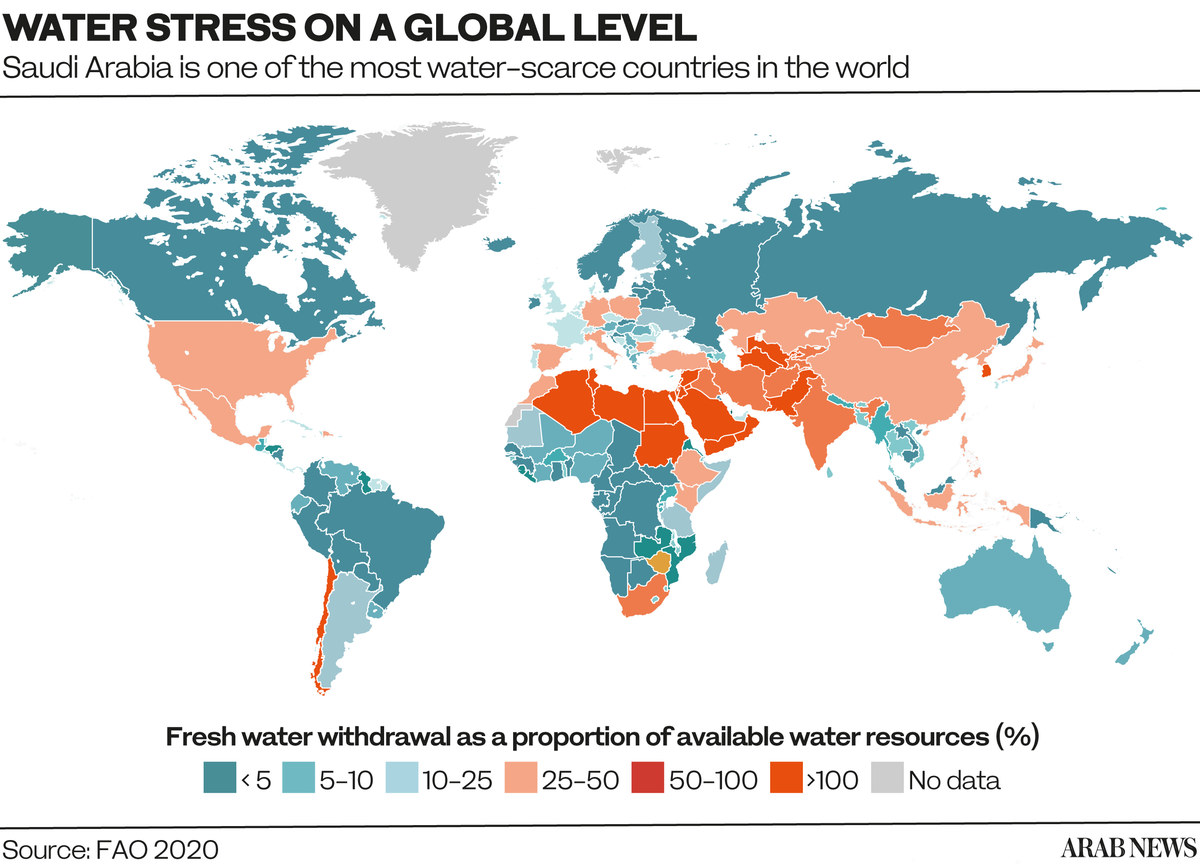
Across most of the Arabian Peninsula, one of the most arid regions on earth, there is precious little rainfall and much of what there is runs off into desert sand or quickly evaporates. An area covering more than 1,000,000 square miles contains almost no perennial rivers or streams, and its southern section is covered by one of the largest deserts in the world.
Saudi Arabia occupies about 80 percent of the Arabian Peninsula and is one of its driest countries. Water resources are scarce and climate conditions severe. The conditions cause groundwater salinization, which is a common problem affecting the Kingdom’s agricultural sector.
Last October the representative from Saudi Arabia, as part of the Group of 77 developing countries and China, told the Second Committee (Economic and Financial) of the 76th session at the UN General Assembly that the Kingdom was taking steps to build sustainable agriculture, improve consumption patterns to reduce waste by 50 percent by 2030, encourage innovation, and empower women and young people working in the agriculture sector.
INNUMBER
70 percent increase in food production will be required by 2050 to meet caloric needs of a global population of 9.8 billion.
68 percent of that projected 9.8 billion global population will live in urban areas by 2050.
With an eye on future food challenges, Saudi Arabia’s Ministry of Environment, Water and Agriculture is exploring the option of localized vertical-farming technologies, and has allocated $27 million to develop them.
The challenges the Kingdom’s policymakers face are no different from those confronting their counterparts in many other countries in the Middle East and North Africa: How to prevent the situation from getting worse and, more precisely, how to equip farmers to resolve the problems they face.
According to agricultural scientists, substantial investment in adaptation will be required to help maintain current farming yields, and achieve increases in production and food quality to meet demand. Vertical farming facilities that use hydroponics is one possible solution to the challenges, especially in countries with arid and semi-arid climates.
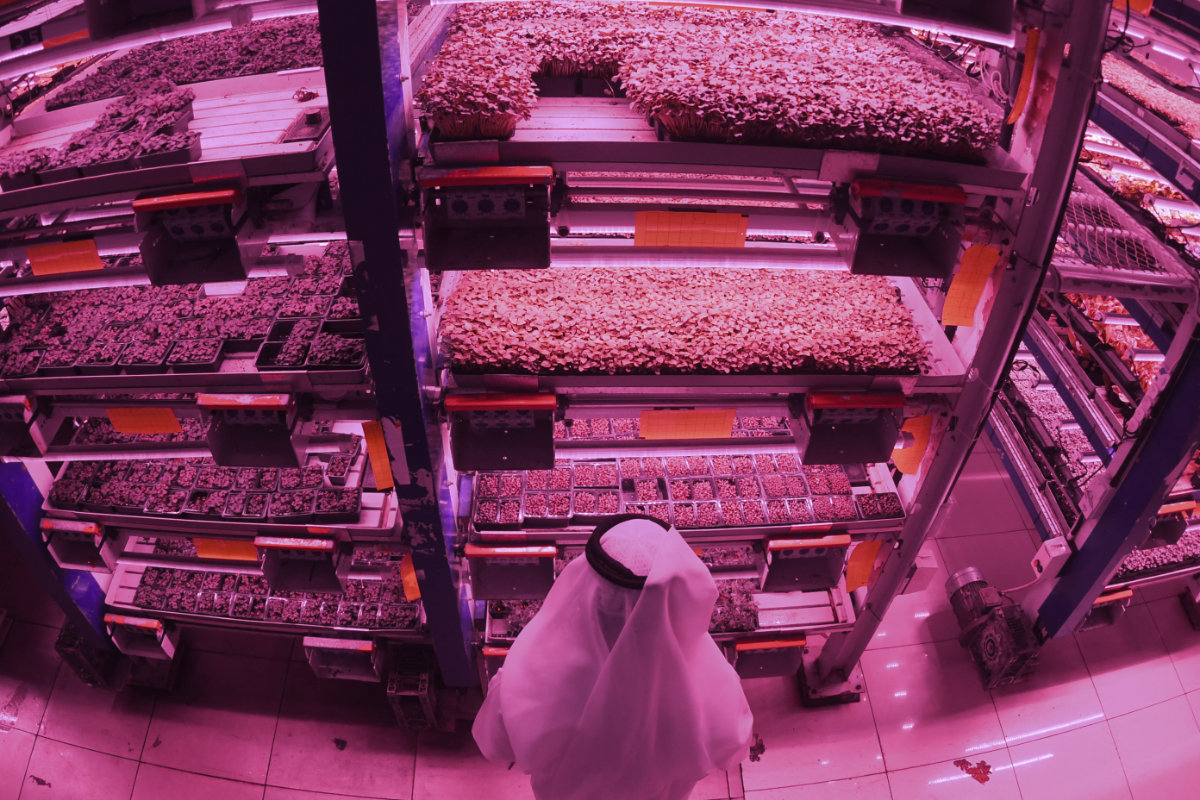
UAE's Al-Badia Farms in Dubai uses an indoor vertical farm with innovative hydroponic technology to grow fruits and vegetables all year round. (Karim Sahib / AFP)
In recent years, several agribusinesses in Saudi Arabia have started using hydroponics systems, after conducting intensive research, collecting data and devising suitable mechanisms, with the aim of keeping pace with the Kingdom’s soaring population and food requirements.
A key feature of hydroponics is the use of recycled water, which comes with its own challenges. Although water recycling is a relatively simple process, the costs involved, from initial investment to annual maintenance, are not trivial because the resultant quality of the water must be high enough for growing plants, according to Turki Alduhayan, the CEO of Green Mast, an agribusiness in Riyadh.
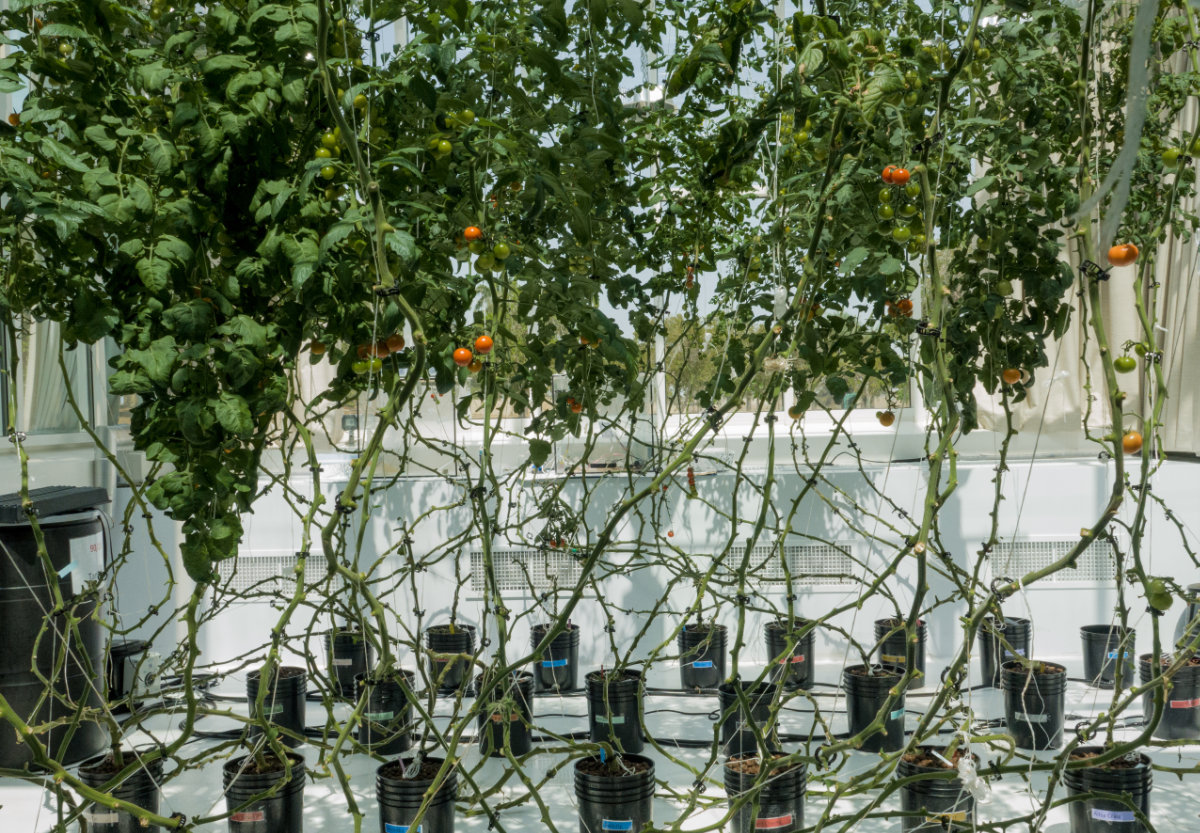
Water recycling is a key feature of hydroponics, although the process also comes with its own challenges. (Supplied)
“We send our water samples on a weekly basis to labs in Holland and the analysis report provides us with the water properties absorbed by the plants,” he told Arab News.
“This way we can control the water consumption and we save a lot, but ensuring high water quality is no easy feat. We are recycling water and saving money but it requires a lot of following up and evaluation to stay consistent.”
Alduhayan said he has learned what works through trial and error, having had to make decisions and comparisons, ranging from the type of soil to use in greenhouses to testing a plant’s endurance and its ability to survive in a hydroponics farm. He said he once tested a particular variety of tomato plant that yielded fruit for up to nine months and grew to a height of 14 meters.
Based on his experiences, Alduhayan said that hydroponic systems are an attractive option for many farmers in Saudi Arabia for a number of reasons.
FASTFACT
The first recorded uses of hydroponics date back to the hanging gardens of Babylon, the floating gardens of the Aztecs, and gardens in ancient China.
Delivering produce from farm to table is easier said than done, he explained, when one considers the logistical and transportation challenges involved in ensuring shipments remain at a suitable temperature, stay fresh and are delivered to suppliers on time.
“This is one of the biggest obstacles and challenges facing hydroponic companies,” Alduhayan said. “Saudi Arabia is the size of Europe and it is expensive to transport produce to areas that are very far from the place of origin. There’s more to the business than just growing crops and produce. Even so, Saudi Arabia has come a long way in just a few years.
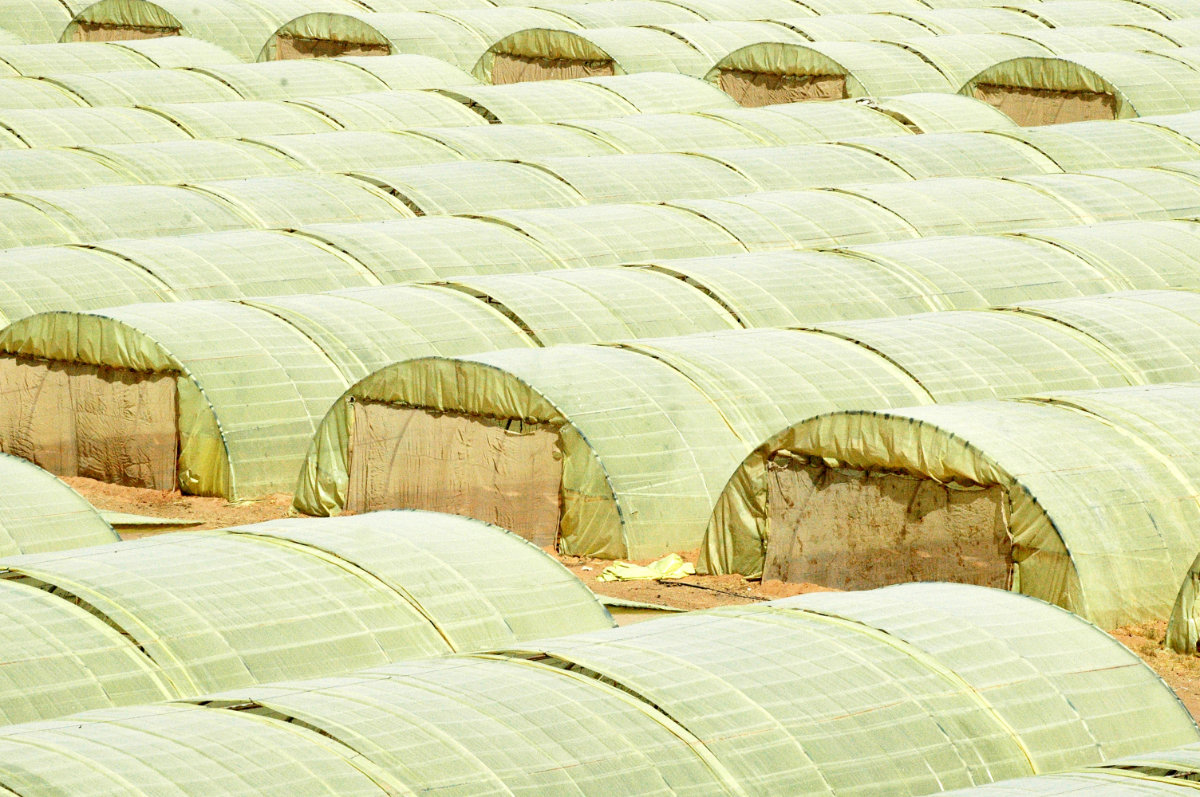
The Middle East is the world’s most water-stressed region, and the Arabian Peninsula in particular must make good use of smart ways maximizing its resources, main. (Supplied)
“MEWA has shown its support for hydroponic farming in the Kingdom but there needs to be more strict regulations to ensure that the proper protocols are followed through. Further support from the ministry, buyers and transportation service providers can, and will, help farmers in the long run. In the three years since I started my business, my costs are a fraction of when I first started.
“You can rest assured that if you buy cherry tomatoes, for instance, from a hydroponics farm they will stay fresh longer than you would normally expect of such a fruit.”
Red Sea Farms is another Saudi company that uses an environmentally sustainable saltwater-based agriculture system. This technology enables farmers to grow food and cool greenhouses using saltwater in larger quantities, and better levels of quality, than traditional farming systems, and to supply produce for a much longer growing season.
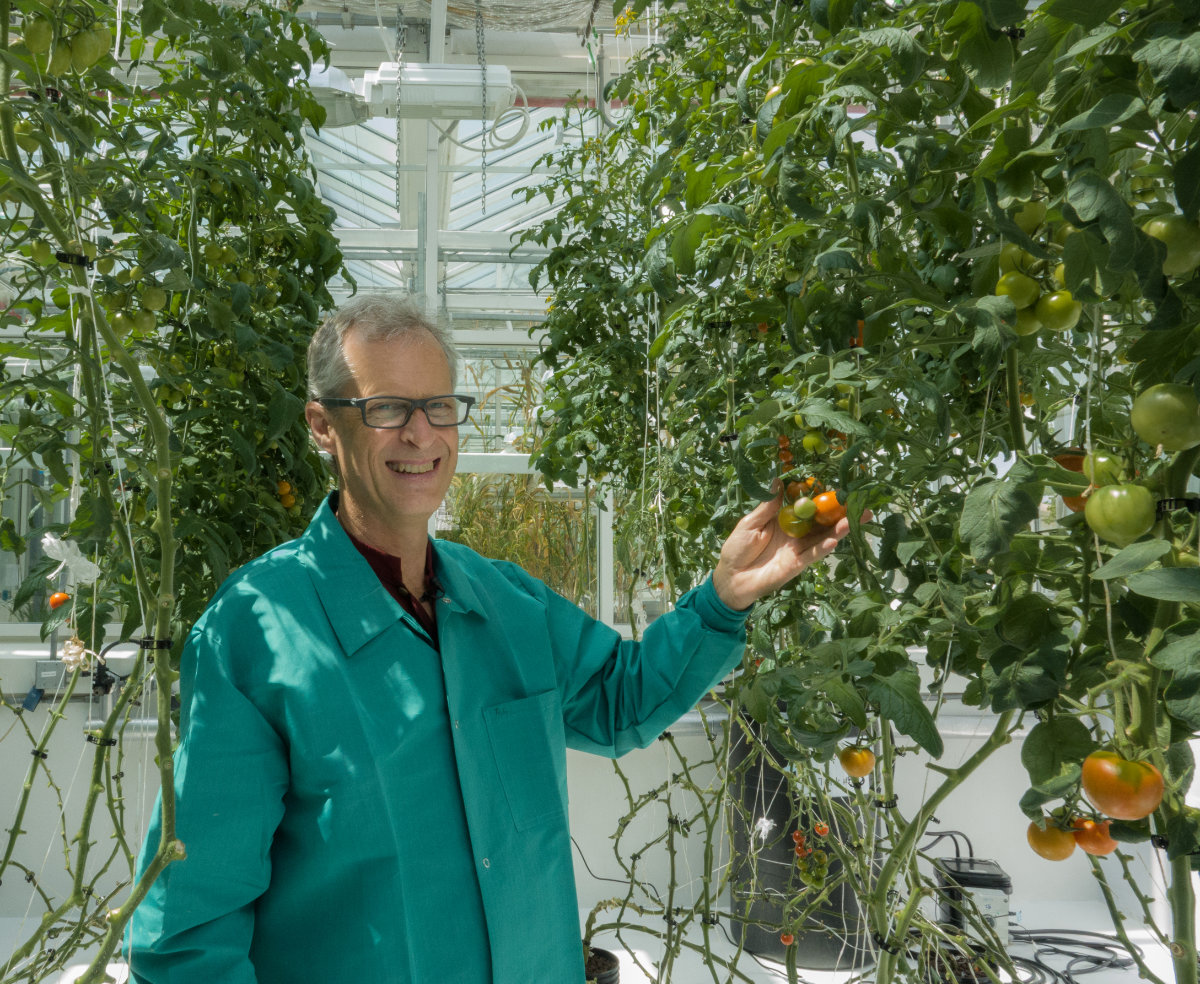
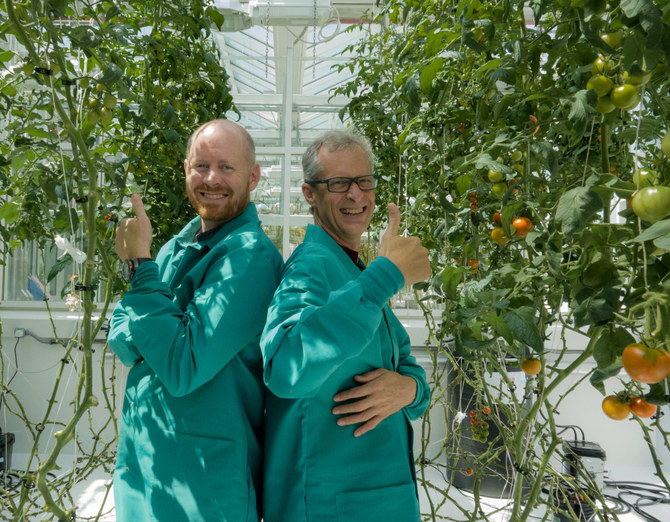
Red Sea Farms co-founder Mark Tester says the company uses an environmentally sustainable saltwater-based agriculture system. (Supplied)
Mark Tester, co-founder of Red Sea Farms and the associate director of the Center of Desert Agriculture at King Abdullah University for Science and Technology, said that while hydroponics systems are not suitable for bulk commodity crops such as wheat, they can provide a rapid return on investment for a wide variety of other crops.
“From the perspective of the government, greenhouses provide a golden opportunity to maximize the value from the (ultimately unsustainable) groundwater being extracted, giving the best return possible for this valuable resource,” he told Arab News.
“With Red Sea Farms’ technologies, the environmental footprint of production is reduced even further, which is good for the environment considering the reduced water usage and carbon-dioxide emissions, lower costs and higher income for the farmer.”
Another proven benefit of hydroponics farming is that it eliminates the need for large-scale use of pesticides and herbicides.
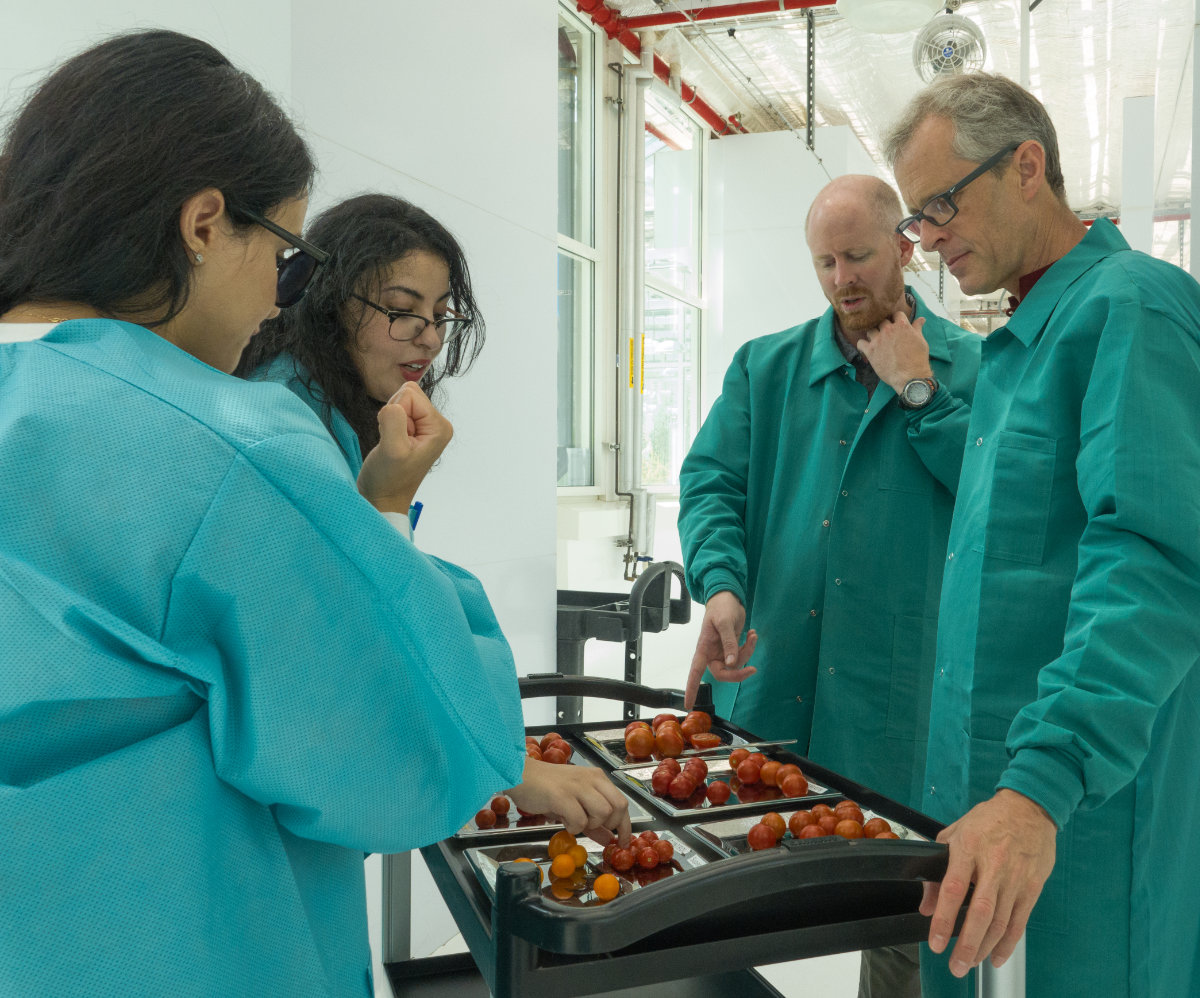
Tomatoes from a hydroponics farm are said to stay fresh longer than those produced using the traditional method of farming. (Supplied)
“Because hydroponics in greenhouses enable good control of both air and water, it also provides the chance to minimize exposure of plants to pests and diseases, thus enabling us to minimize the use of pesticides,” Tester said. “This saves the farmers money, is better for the environment and means healthier food for consumers. Everyone wins.
“The benefits of innovative farming systems become increasingly valued and increasingly valuable, even in places with ideal conditions for agriculture such as in Western Europe.
“The use of greenhouses is massively expanding. So even in the south of the Kingdom there is clearly a very important role for greenhouses to play in agriculture and the healthy, sustainable production of our food.”
As more agribusinesses in Saudi Arabia embrace modern, innovative methods, the appeal of hydroponics is expected to rapidly grow thanks to the many advantages it offers.
More broadly, growing crops using hydroponics and greenhouses is increasingly looking like a smart bet, especially for future generations in countries with arid and semi-arid climates, which are particularly vulnerable to the effects of climate change, land degradation and extreme weather events.


