TAIF: Nahawand, a new center for music in Taif that opened recently and offers a range of music classes and services in an effort to discover and develop new local talent, already has plans to expand to six other Saudi cities.
The center, named after a type of Arabic melody known as maqam that is often used in Saudi songs and odes, offers lessons in a mix of Eastern and Western instruments.
Anas bin Hussein, its founder, told Arab News that maqam is a romantic and passionate type of music popular with many Saudi singers, most notably Mohammed Abdu, Talal Maddah and Abadi Al-Jawhar.
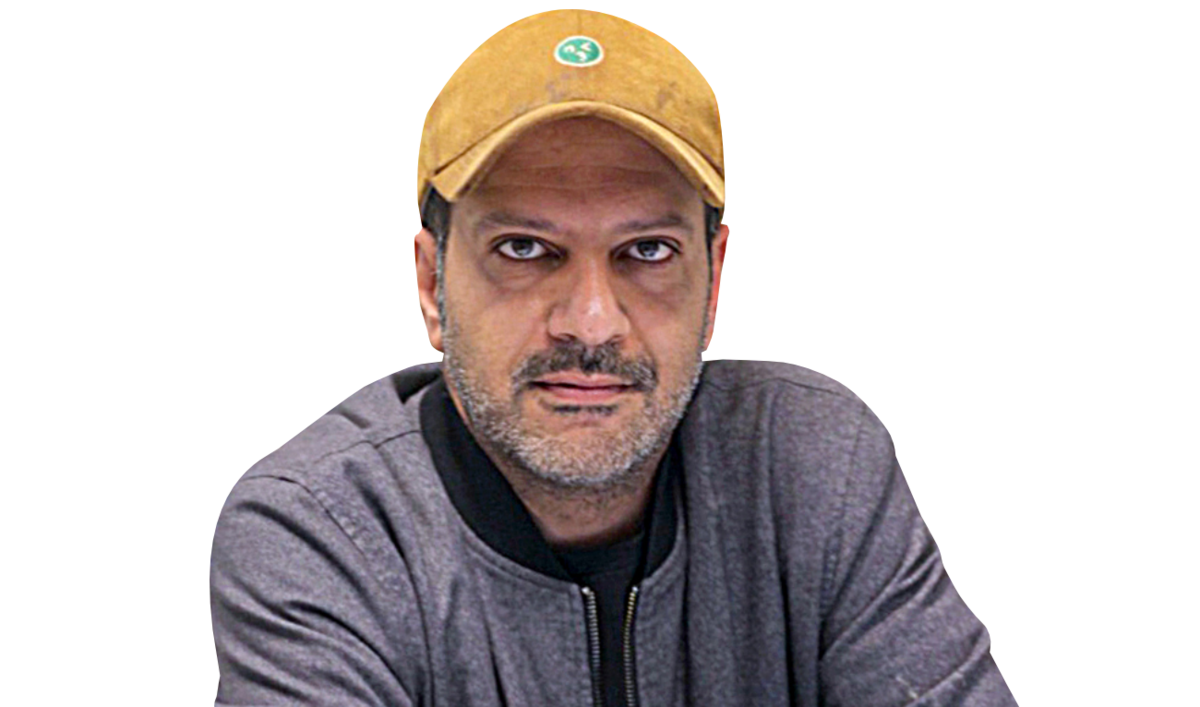
Anas bin Hussein, Founder of Nahawand
“It is also an ode that can be performed on Western musical instruments,” he said. “This represents the approach of the center, which seeks to combine training on Eastern and Western instruments.”
He added that a number of students in Taif are already taking lessons at the center, which aims to act as a scout for emerging musical talent that can one day perform on a global stage.
“We look forward to establishing a Saudi orchestra to participate in international musical events,” said bin Hussein. “The basis of the center’s courses is to teach young people to be able to read and write music using a scientific approach, and to train them in musical rhythm skills.”
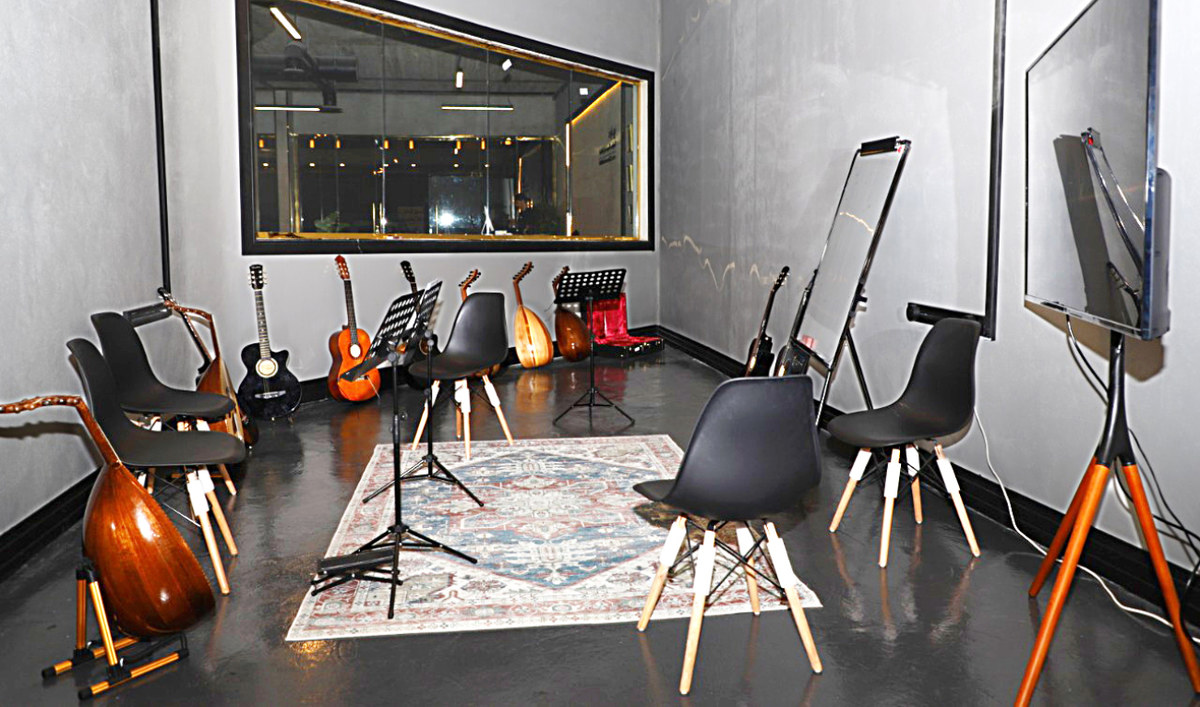
This more formal and technical approach is a departure from the common local practice of “learning by ear,” which involves listening to music and recreating it. Trainees at the center are taught to read music and play international tunes on instruments such as piano, violin and guitar.
They also learn to play the oud, an Arab instrument, but again through a formal teaching process based on an accredited curriculum. The center also aims to popularize a number of other instruments in the country.
“We are currently motivating talents to learn new instruments such as the clarinet, French horn and saxophone,” said bin Hussein.
The basis of the center’s courses is to teach young people to be able to read and write music using a scientific approach, and to train them in musical rhythm skills.
Anas bin Hussein, Founder of Nahawand
Trainees will eventually have the chance to sit for certified tests set by British institute APRSM, the exam board of the Royal Schools of Music, which offers a curriculum that includes the theories of Western music, solfege, instrumental practice and music appreciation.
Bin Hussein said that so many people have enrolled at the center during its first month of operation it has been forced to increase the number of teachers. He added that this response “demonstrated the willingness of Taif residents to train on sound skills such as solfege, vocalization and choir, prompting us to add new services to suit the size and requirements of the market.”
Although the services provided by the center are currently limited to the Taif area, bin Hussein said that there are plans to expand during the next two months and open centers in six cities across the Kingdom, including Riyadh, Jeddah and Dammam.
HIGHLIGHTS
- The center, named after a type of Arabic melody known as maqam that is often used in Saudi songs and odes, offers lessons in a mix of Eastern and Western instruments.
- Maqam is a romantic and passionate type of music popular with many Saudi singers, most notably Mohammed Abdu, Talal Maddah and Abadi Al-Jawhar. It is also an ode that can be performed on Western musical instruments.
- Trainees will have the chance to sit for certified tests set by British institute APRSM, the exam board of the Royal Schools of Music, which offers a curriculum that includes the theories of Western music, solfege, instrumental practice and music appreciation.
Majid Al-Abboud, who is learning to play the violin at the center, said that the training provided by Nahawand is already achieving remarkable results among the trainees.
“It allows them to practice on various instruments to develop their skills after they have acquired the basics of performing on the instruments, thus enabling them to correct their mistakes themselves and quickly promoting their musical experience and knowledge,” he said.
He revealed that after mastering the violin he hopes one day to compose classical music and spread awareness of the culture of music in its classical form.
“In my opinion, society needs such efforts to fill the void of high-end music production, which unfortunately has become rare these days,” Al-Abboud added.
He said that he has not encountered any unexpected difficulties during his lessons but that learning anything new is a challenge, especially when the previous experience of learning music for many people often involves informal attempts to learn by playing by ear.
“But I am confident that these difficulties can be overcome thanks to academic supervision provided by the academy and its trainers,” he concluded.