
ANKARA: Long queues in major cities for cheap bread are not the only sign of the financial pains that Turkish households are experiencing after prices skyrocketed in recent months.
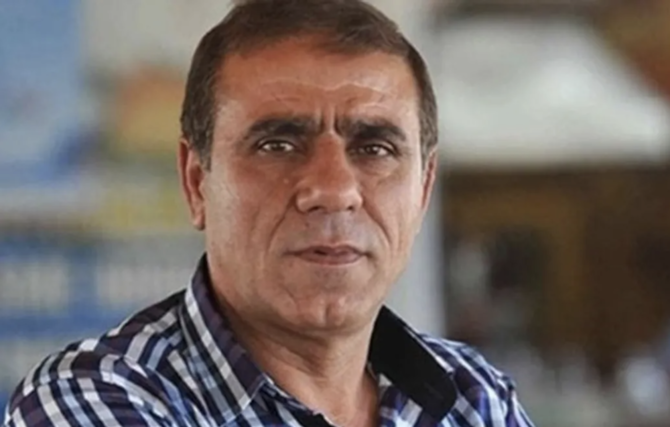
Ilhami Isik, a Kurdish intellectual and writer originally from the southeastern province of Batman, has lent a helping hand to 14,000 families by helping clear around 40,000 bills worth TRY6.1 million ($0.3 million) over the last three years.
“The number of bills keeps growing over years and they come from all over the country, especially from the middle-income and low-income families of Istanbul and southeastern province of Diyarbakir,” Isik told Arab News.
People reach out to him through social media and he shares photos of the bills, requesting philanthropists to come forward and help the poor clear their bills. It is mostly medium-income families and a small number of businessmen who come forward to help.
“Amid rising price of utilities, the bill is not just a bill. It is something that sometimes triggers a divorce, a suicide or causes a child to sleep with an empty stomach. The ability to pay the bill is the main indicator for a family to keep its members alive and healthy for that month,” he said.
Due to the country’s serious economic problems and rising living costs of living in the country, where official inflation rates have reached 21.3 percent, more and more families are calling him for help.
“Sometimes I’m having trouble to find necessary financial means to pay them, but I’ll keep my project going on. We are receiving at least 30 requests per day. It sometimes reaches 50 bills. Families are tearing apart. Children are facing unbelievable traumas due to poverty. Sometimes a bill that I pay discourages a dad from committing suicide when he sees his child freezing in the house after the electricity or natural gas is cut.”
To some, helping people pay their bills may not sound like a sustainable project because, as the saying goes, if they give a man a fish, they have to feed him for a day, but if they teach a man how to fish, they will feed him for a lifetime.
“But my only concern right now is to keep these people alive,” Isik explains. “Finding them jobs is part of a political mechanism. It is the duty of the public welfare authorities to do that. I just want to make sure that these children keep healthy and happy without being under the stress of financial strains. Sometimes a mother calls me and says that they all slept well the day before because they don't have to be concerned about their bills. It is my only concern.”
It is mostly women who reach out to Isik, as men will not take the initiative out of shame.
His social responsibility projects began in 2014, when he spontaneously initiated a countrywide campaign dubbed “Let’s Prevent Children From Feeling Cold.”
The project lasted two years and Isik provided about 84,000 children, including refugees, with new and clean coats. Several well-known Turkish brands sent him truckloads of clothes in the eastern and southeastern provinces.
Sky-high bills have been on the agenda of households for some time. Over the last two years, electricity prices have increased by 47 percent and gas prices by 42 percent. Electricity prices have increased by 21.9 percent so far this year.
Istanbul and Ankara municipalities have launched social solidarity campaigns, such as “Bill Pending,” to help thousands of needy families who are having difficulties in paying their utility bills.
This year, Ankara municipality helped several families to clear their electricity bills. Official sources from the municipality told Arab News that, in 2021, more than 98,000 bills worth TRY4.7 million were paid with contributions from the city’s philanthropists.