SoftBank hit by $10 billion Vision Fund loss

Getty Images
Short Url
Updated 08 November 2021
Follow

SoftBank hit by $10 billion Vision Fund loss

  • Depressed valuations in SoftBank's China portfolio amid a regulatory crackdown continued to drag with its stake in ride-hailer Didi

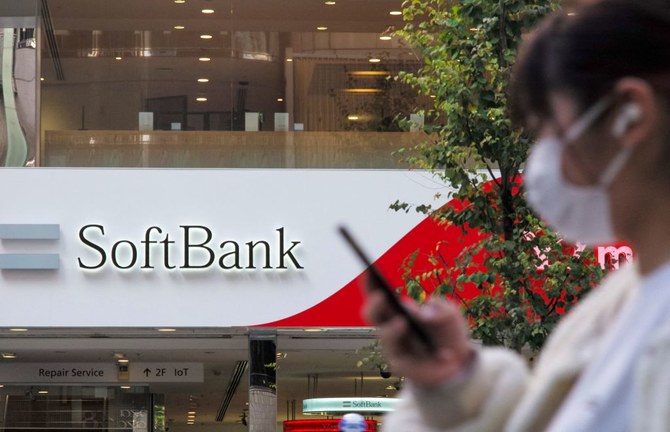
SoftBank Group Corp reported a quarterly loss on Monday, as its Vision Fund unit took a $10 billion hit from a decline in the value of its portfolio companies and as China's regulatory crackdown on tech firms weighed.


The Japanese tech conglomerate will buy back up to nearly 15 percent of its shares, it said, spending some 1 trillion yen ($9 billion) in the process, and adding to the 2.5 trillion record buyback it completed in May.


While CEO Masayoshi Son describes SoftBank as a goose laying "golden eggs", referring to its stakes in startups that go to market, initial public offerings (IPOs) have dropped off and shares in many top assets like online retailer Coupang fell during the quarter.


"The strategy of let's create the perception of enhanced value by taking things public hasn't really worked this year," Redex Research analyst Kirk Boodry said.


Depressed valuations in SoftBank's China portfolio amid a regulatory crackdown continued to drag with its stake in ride-hailer Didi, acquired for $12 billion, currently valued at $7.5 billion.


The group's largest asset, Chinese e-commerce firm Alibaba , fell by around a third in the second quarter.


SoftBank's quarterly net loss compared with a profit of 628 billion yen in the same period a year earlier.


Bright spots for the Vision Fund include its India portfolio with ride-hailer Ola and logistics firm Delhivery targeting listings.


SoftBank has been trimming stakes following the expiry of lock-up periods, while focusing on investing through its second Vision Fund that has $40 billion in committed capital from SoftBank itself.


Saudi POS spending opens 2026 with a 31% surge: SAMA 

Updated 4 sec ago
Follow

Saudi POS spending opens 2026 with a 31% surge: SAMA 

RIYADH: Saudi Arabia’s total point-of-sale transactions reached SR17 billion ($4.5 billion) in the week ending Jan. 3, with all sectors recording positive weekly growth. 

According to the latest data from the Saudi Central Bank, the total POS value represented a 30.6 percent week-on-week increase, while the number of transactions rose 15.7 percent to 255.36 million. 

Spending on freight transport, postal and courier services recorded the sharpest increase, surging 110.9 percent to SR74.22 million, followed by education, which rose 66.4 percent to SR235.51 million. 

Expenditure on personal care increased by 31.7 percent, while spending on books and stationery rose 36 percent. Jewelry outlays climbed 48 percent to SR544.12 million. 

Further gains were recorded across other categories. Spending at pharmacies on medical supplies rose 42.1 percent to SR284.81 million, while expenditure on medical services increased 20.8 percent to SR556.27 million. 

The food and beverages sector saw outlays rise 41.4 percent to SR2.7 billion, accounting for the largest share of POS transactions.

Restaurants and cafes followed with a 20.9 percent increase to SR1.9 billion, while apparel and clothing spending rose 30 percent to SR1.6 billion, ranking third. 

Together, the top three categories accounted for approximately 36.53 percent of total POS spending, or SR6.22 billion. 

Saudi Arabia’s major urban centers mirrored the national surge.

Riyadh, which accounted for the largest share of POS spending, saw a 21 percent increase to SR5.61 billion, up from SR4.63 billion the previous week.

The number of transactions in the capital rose 12.2 percent to 79.6 million. 

In Jeddah, transaction values increased 25.6 percent to SR2.24 billion, while Dammam posted a 26.1 percent rise to SR831.93 million. 

POS data, tracked weekly by SAMA, provides an indicator of consumer spending trends and the ongoing growth of digital payments in Saudi Arabia. 

The data also highlights the expanding reach of POS infrastructure, extending beyond major retail hubs to smaller cities and service sectors, supporting broader digital inclusion initiatives. 

The growth of digital payment technologies aligns with Saudi Arabia’s Vision 2030 objectives, promoting electronic transactions and contributing to the Kingdom’s broader digital economy.