

Transport problems holding back $2/kg low-carbon hydrogen, says Aramco’s technology chief

Short Url
Updated 29 October 2021
Follow

Transport problems holding back $2/kg low-carbon hydrogen, says Aramco’s technology chief

RIYADH: Low-carbon hydrogen can be produced at a cost of $2 per kg but the issue is transporting the fuel to where it is needed, according to the chief technology officer of Aramco.

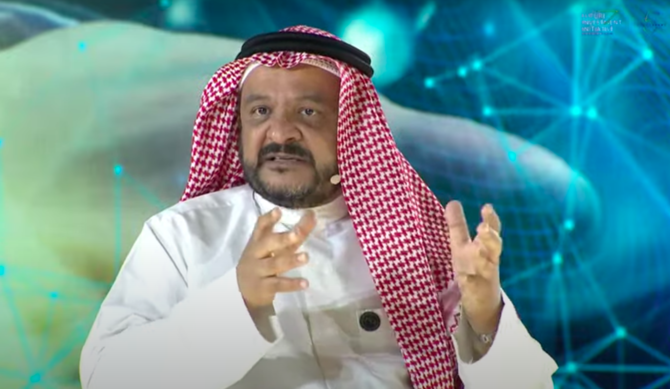
Speaking at the Future Investment Initiative Forum in Riyad, Ahmad Al Khowaiter said the technology for capturing the gas has proven itself reliable “over many years” and is “at scale today”.

Khowaiter claimed that hydrogen is the only option in “many of the harder to decarbonise sectors” as the world seeks to drastically reduce its carbon footprint.

He confirmed that Aramco, the Saudi-state owned oil and gas company, has been operating its own production carbon capture pilot with the capacity to capture 800,000 tonnes a year of carbon for the last six years with “no problems, no challenges”.

“I really do believe that technology is mature, the cost structures are very compatible with the competitive energy costs that are needed for hydrogen” he told delegates at the conference, adding: “It really does allow, for example, low carbon hydrogen to be produced today at scale with very competitive costs.”

Khowaiter went on: “The challenge with hydrogen is transport, so the big challenge is converting it to something that can be transported or compressing it in transport. 

“At the point of production we’re talking $1.5 to £2 a kg range, which is far below alternatives for now, as the alternatives have to scale up.”


Talks underway with Saudi Arabia on higher oil flows: Pakistani oil minister 

Updated 14 January 2026
Follow

Talks underway with Saudi Arabia on higher oil flows: Pakistani oil minister 

RIYADH: Pakistan is in talks with Saudi Arabia to increase the flow of petroleum products to the country in order to serve shared economic interests and secure Islamabad’s growing energy needs, Pakistani Oil Minister Ali Pervaiz told Al-Eqtisadiah. 

Pervaiz said that Pakistan, as a net energy importer with a bill ranging between $15 billion and $20 billion, seeks to strengthen its strategic partnership with Saudi Arabia in the energy and mining sectors and looks forward to benefiting from the Kingdom’s vast hydrocarbon potential. 

Speaking on the sidelines of his participation in the Future Minerals Forum hosted in Riyadh, the minister said the timing of the event is ideal given the pivotal stage the world is going through and the rising demand for vital minerals amid ongoing technological development.  

He noted that the conference represents a vital platform for discussing opportunities to establish new mines and mobilize the capital needed to operate them, particularly as production from existing mines declines and price volatility increases due to global conflicts, making international cooperation an urgent necessity for the stability of this vital sector. 

Regarding bilateral relations, Pervaiz stressed that ties between Riyadh and Islamabad have reached unprecedented levels of strength and depth, citing the numerous meetings between Prime Minister Shehbaz Sharif and Crown Prince Mohammed bin Salman, which he said have exceeded 12 since Sharif took office three years ago. 

He added that there is a clear governmental mandate for working groups in both countries to build a comprehensive framework for economic cooperation, with a particular focus on the mining sector, which he described as one of the main pillars of future projects currently under review. 

The minister said Pakistan is expecting to host a high-level Saudi delegation at the Pakistan Minerals Investment Forum 2026, scheduled for April, noting that the event is expected to see the signing of several agreements and memoranda of understanding aimed at advancing cooperation in geological studies and mining sector development.  

He added that work is underway with the Saudi side to implement tangible projects on the ground, strengthening the existing partnership, which spans multiple areas, including ongoing defense cooperation, further consolidating the two countries’ position as strategic partners in the region.