WASHINGTON: Two dozen countries have joined a US- and EU-led effort to slash methane emissions 30 percent by 2030, giving the emerging global partnership momentum ahead of its launch at the UN climate summit in Glasgow later this month, a government official told Reuters.
Nigeria, Japan and Pakistan are among the 24 new signatories to the Global Methane Pledge, which was first announced by the United States and EU in September with the aim of galvanizing rapid climate action before the start of the Scotland summit on October 31. It could have a significant impact on the energy, agriculture and waste sectors responsible for the bulk of methane emissions.
The nine original partners include Britain, Indonesia and Mexico, which signed on to the pledge when it was announced at the Major Economies Forum last month. The partnership will now cover 60 percent of global GDP and 30 percent of global methane emissions.
US special climate change envoy John Kerry and European Commission Executive Vice President Frans Timmermans will introduce the new partners at a joint event on Monday and also announce that a dozen philanthropic organizations, including ones led by Michael Bloomberg and Bill Gates, will mobilize over $200 million to help support countries’ methane reduction efforts, said the official, who declined to be named.
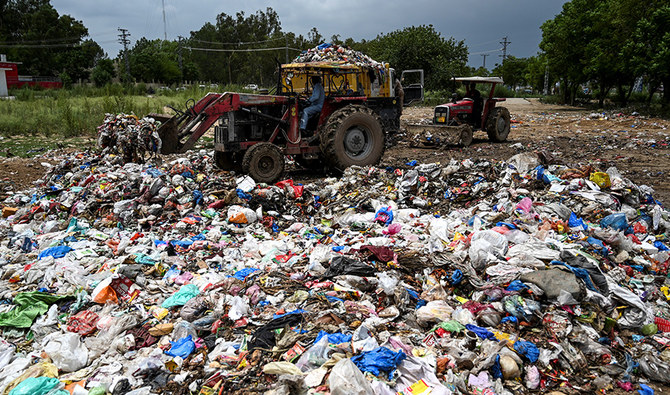
The source said the countries represent a range of different methane emissions profiles. For example, Pakistan’s main source of methane emissions is agriculture, while Indonesia’s main source of methane is waste.
Several countries most vulnerable to climate change impacts, including some African nations and island nations like Micronesia, have also signed the pledge.
In the weeks leading up to the UN climate summit, the United States will engage with other major emerging economy methane emitters like India and China to urge them to join and ensure the “groundswell of support continues,” the official said.
’ONE MOVE LEFT’
Methane is a greenhouse gas and the biggest cause of climate change after carbon dioxide (CO2). Several recent reports have highlighted the need for governments to crack down on methane to limit global warming to 1.5 degrees C, the goal of the Paris climate agreement.
Methane has a higher heat-trapping potential than CO2 but breaks down in the atmosphere faster. A landmark United Nations scientific report released in August said “strong, rapid and sustained reductions” in methane emissions, in addition to slashing CO2 emissions, could have an immediate impact on the climate.
The United States is due to release oil and gas methane regulations in the coming weeks and the European Union will unveil detailed methane legislation later this year.
Larry Kramer, president of the William and Flora Hewlett Foundation, which contributed to the $200 million fund, told Reuters the money will “help catalyze climate action” and that reducing methane is the quickest way to help carry out the 1.5-degree goal.
Durwood Zaelke, president of the Washington-based Institute for Governance and Sustainable Development, said the partnership was a “great start” for focusing the world’s attention on the need to slash methane.
“There’s one move left to keep the planet from catastrophe — cutting methane as fast as we can from all sources,” he said by email ahead of the announcement.


Pakistan among 24 new signatories to global pact to slash methane emissions
https://arab.news/wasty
Pakistan among 24 new signatories to global pact to slash methane emissions


US freezes immigrant visa processing for 75 countries, including Pakistan
- Immigrant visas to be suspended from Jan 21, tourist visas unaffected
- Move targets “public charge” concerns as Trump revives hard-line immigration rules
ISLAMABA: The United States will pause immigrant visa issuances for nationals of 75 countries, including Pakistan, from January 21, the State Department said on Thursday, as President Donald Trump presses ahead with a hard-line immigration agenda centered on financial self-sufficiency.
In an update published on its website, the State Department said it was conducting a comprehensive review of immigration policies to ensure that migrants from what it described as “high-risk” countries do not rely on public welfare in the United States or become a “public charge.”
“The State Department will pause immigrant visa processing from 75 countries whose migrants take welfare from the American people at unacceptable rates. The freeze will remain active until the US can ensure that new immigrants will not extract wealth from the American people,” the department said.
The pause applies specifically to immigrant visas, which are issued to people seeking permanent residence in the United States. The department said applicants from affected countries may still submit applications and attend interviews, but no immigrant visas will be issued during the suspension.
According to the State Department, the affected countries include Pakistan, Afghanistan, Bangladesh, Iran, Iraq, Egypt, Nigeria, Russia, Somalia, Brazil, Thailand and dozens of others across Asia, Africa, the Middle East, Europe and Latin America.
The department said tourist and other non-immigrant visas are not affected, and that no previously issued immigrant visas have been revoked. Dual nationals applying with a valid passport from a country not on the list are exempt from the pause.
The State Department did not indicate how long the visa pause would remain in effect, saying it would continue until its review of screening and vetting procedures is completed.
The announcement underscores the breadth of the Trump administration’s renewed immigration crackdown. Since returning to office last year, Trump has revived and expanded enforcement of the “public charge” provision of US immigration law, which allows authorities to deny entry to applicants deemed likely to rely on public benefits.
During his previous term, Trump imposed sweeping travel restrictions on several Muslim-majority countries, a policy widely referred to as a “Muslim ban,” which was challenged in courts before a revised version was upheld by the Supreme Court and later rescinded under former president Joe Biden.
The visa freeze also comes amid an intensifying domestic enforcement push. US Immigration and Customs Enforcement (ICE) has expanded operations nationwide, drawing scrutiny over its tactics. Last week, an ICE agent shot and killed Renee Good, a US citizen, during a federal operation in Minneapolis, sparking protests and renewed debate over immigration enforcement under the Trump administration.


