
RIYADH: Diriyah and the UNESCO World Heritage site at its heart, At-Turaif, is on the brink of becoming a cultural destination for visitors from around the world.
However, for generations of Saudis, such as 81-year-old great-grandmother Madiha Joharji, who has lived in Riyadh for more than 60 years, Diriyah and the sea of farms that surround it will always have a special place in their hearts.
“When I think of Diriyah, I think of beauty, hospitality and good times,” she said.
“It is a beautiful place. Lush with vivid greenery and surrounded by palm trees as far as the eye can see.”
Joharji recalls the excitement of families from Riyadh packing up their cars with pots and pans and heading off for a day out in what was then the countryside, seemingly far from the city.
“It was a place of joy,” she said, “a place we would take our children at the weekends but considered very far away, a 40-minute car drive, that would turn into a road trip.
“We would pack our essential food items, as there wasn’t anything there other than a small food store, and be on our way.”
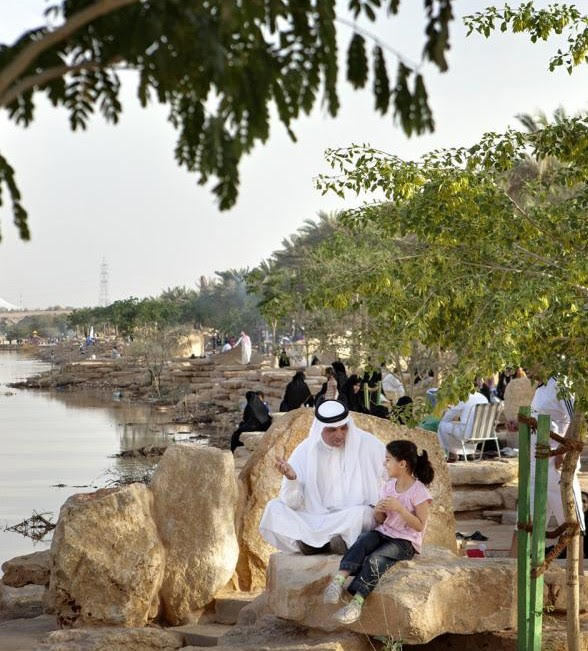
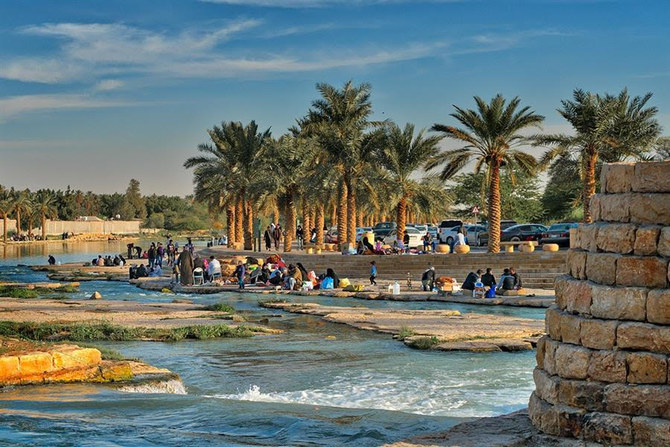
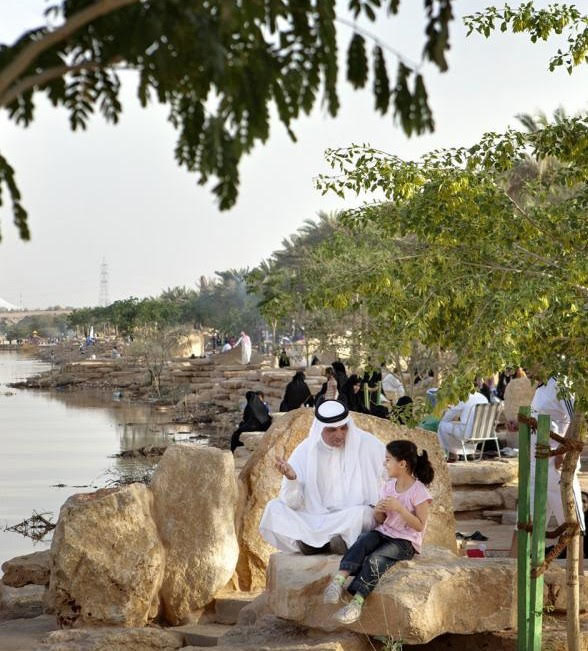
Families enjoying their picnics in one of the liveliest places in Diriyah "Wadi Hanifah", a valley that runs for a length of 120 km from northwest to southeast, cutting through the city of Riyadh. (Supplied)
Drawn by the cooler weather of Diriyah and its lush farms, as people from the city still are today, “we would visit friends in that area, cooking on site, while the children were playing and the men drinking tea and playing card games while we set up a feast for dinner,” she said.
“The locals would see us arrive and would give us fruit from their farms.”
Joharji is amazed by how quickly Riyadh and its surrounding areas have changed.
“We used to live in the southern part of Riyadh, Malaz, which was considered the downtown of the capital back in my days,” she said.
“The capital has now expanded to the point where Diriyah, which we considered a separate village, is now only six minutes away from where my son lives. Imagine that!”
Riyadh has expanded dramatically over the years, its growth driven by one man’s passion for the city he served for five decades. Before acceding to the throne in 2015, between 1963 and 2011 King Salman was governor of Riyadh province, and in those 48 years the city blossomed beyond all recognition.
It was King Salman who presided over Riyadh’s remarkable transformation from a small city of about 200,000 inhabitants in 1963 to more than seven million by the time he became king.
The King’s passion for Riyadh – a passion that has found further expression in the ambitious plans for Diriyah Gate – was expressed in a speech he gave in the Seventies as the city began to grow rapidly.
“I am always close to Riyadh, even when I am not physically present there,” he said. “For me, Riyadh is the homeland; it is the past and the present and the future.
“When I am away from Riyadh, I continue to think about the city; its operations and affairs, its roads and gardens, the children’s playgrounds, the schools, hospitals, and all of its affairs; every corner of the city lives with me and is in my thoughts and my heart.
“I feel as if I am present on every Riyadh street … I monitor, step by step, every project in the city, and I am filled with love for the city and its people.”
Today, the King’s ambition for Riyadh is being carried into the future by his son, Crown Prince Mohammed bin Salman, who serves as Chairman of the Board of Directors of Diriyah Gate Development Authority.
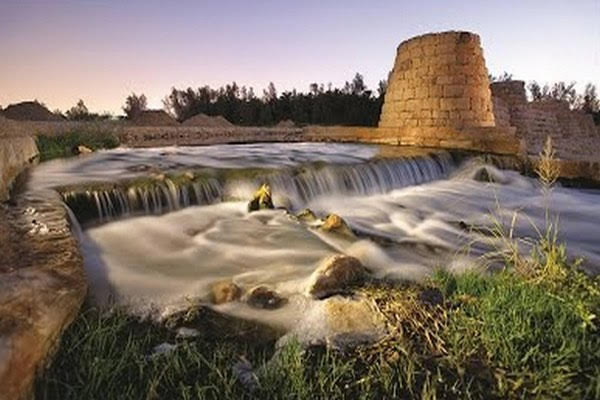
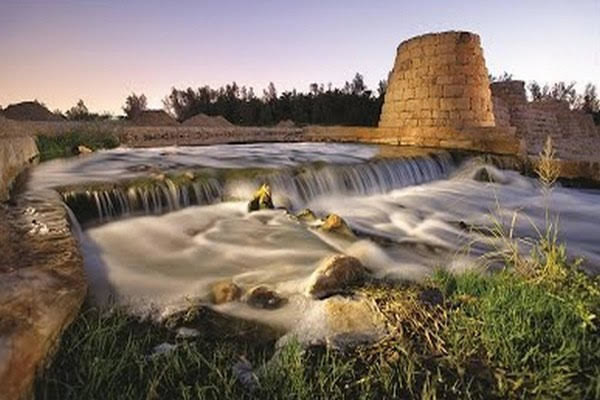
Wadi Hanifah in Diriyah, a valley that runs for a length of 120km from northwest to southeast, cutting through the city of Riyadh, the capital of Saudi Arabia. (Supplied)
“We are aiming to make Riyadh one of the 10 largest city economies in the world,” he said in January during the fourth international Future Investment Initiative, hosted in the city.
“Today it stands at number 40, the 40th largest city economy worldwide. We also aim to increase its residents from 7.5 million today to around 15-20 million in 2030.”
At the center of the Diriyah Gate development, regenerated Diriyah and historic At-Turaif will play a key part in the social and economic transformation not only of Riyadh, but also of Saudi Arabia as a whole, as envisaged in Vision 2030.
As for Joharji, while she recognises that Diriyah is changing rapidly, she is pleased that at the heart of the transformation will be found the qualities of hospitality and generosity she recalls with such affection.
“I haven’t been there in a few years, but my grandchildren tell me stories of how it has evolved, developed,” she said.
“For me, Diriyah is a gathering place to enjoy time with loved ones, and I see that is still happening, but on a wider scale.”

keywords