Egyptian microlender Kashat secures $1.75m

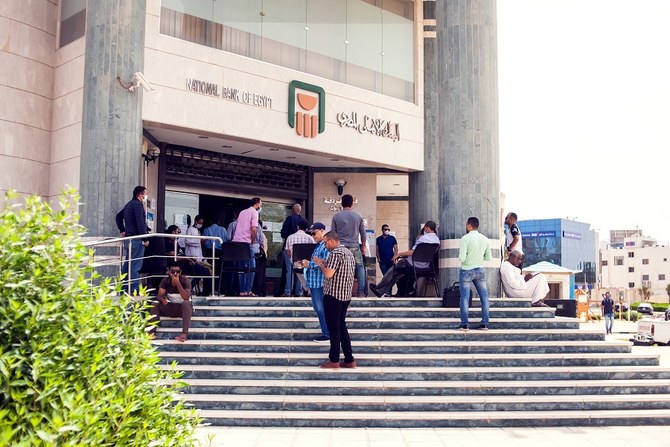
The funds will be used to further develop Kashat’s platform, as well as for the startup’s expansion. (Shutterstock)
Short Url
Updated 12 September 2021
Follow

Egyptian microlender Kashat secures $1.75m

  • The fintech startup provides small loans and other nano-financial services for unbanked people in Egypt

DUBAI: Egypt-based microloan solutions provider Kashat has raised $1.75 million in its latest funding round.

The financial technology (FinTech) startup provides small loans and other nano-financial services for unbanked people in Egypt, which it said reaches more than 70 percent of the country’s population.  

This vision is shared by pan-African fund Launch Africa, who led the bridge funding round. Other investors including Cairo Angels participated in the round.

The funds will be used to further develop Kashat’s platform, as well as for the startup’s expansion.

“With the growth in customer purchasing power, increased financial inclusion and democratized access to a broader array of goods and services, consumers across Egypt are desperate for a timeous, efficient, digital-friendly and affordable lending solution,” Managing Partner of Launch Africa Zacharia George said.


IsDB announces $2.41bn in new financing for strategic development sectors

Updated 15 sec ago
Follow

IsDB announces $2.41bn in new financing for strategic development sectors

JEDDAH: The Islamic Development Bank has approved $2.41 billion in new financing for a series of transformative projects during its 364th Executive Board meeting, chaired by IsDB President Mohammed Al-Jasser.

The approvals underscore the bank’s ongoing commitment to regional cooperation, economic development, and climate- and environment-friendly investments that advance the UN Sustainable Development Goals across its member countries.

The new financing includes an additional $40 million for the Central Asia–South Asia Electricity Transmission and Trade Project (CASA-1000) in Tajikistan, aimed at boosting regional energy trade, improving electricity access and reliability, and mitigating climate change through the export of clean and renewable energy.

The bank also approved €116 million ($135 million) to upgrade Senegal’s Dakar Expressway Project.

The initiative is designed to improve health, education, and economic services for local populations, reduce traffic congestion and peak travel times, and enhance road safety measures to halve traffic-related deaths and injuries, with a particular focus on women and young pedestrians.

A $1.307 billion allocation was approved for Kazakhstan’s Economic and Industrial Zones Project to foster sustainable industrial development.

The initiative is expected to promote economic diversification, attract investment, create jobs, and boost global competitiveness through infrastructure upgrades and operational efficiency in special economic zones, industrial zones, and specialized industrial zones.

Bahrain will receive $330.07 million to expand its industrial capacity and strengthen economic competitiveness. The funding will support the development of modern industrial land with resilient infrastructure, advanced export-oriented manufacturing, effective internal connectivity, and reclaimed land facilities.

The project aims to stimulate private investment, generate employment, and reinforce Bahrain’s position as a regional industrial and logistics hub.

The IsDB approved $160 million to enhance utilities, water, and urban development sectors in Jordan.

The financing will secure future drinking water supply for Aqaba, Amman, and northern regions, support climate adaptation and mitigation, foster economic growth, and promote private sector participation in sustainable, long-term water solutions to alleviate severe water stress.

Azerbaijan was granted $436.67 million to improve agricultural productivity by reducing irrigation water losses and supporting sustainable rural development, in line with Azerbaijan’s 2030 vision.

The project will also promote green growth, strengthen climate resilience, and ensure long-term food security.

The approved projects reflect the IsDB’s strategic focus on fostering sustainable and inclusive growth across member countries by addressing critical infrastructure, energy, water, transport, and industrial development challenges.

These initiatives are expected to deliver lasting impact and contribute effectively to achieving the Sustainable Development Goals.