

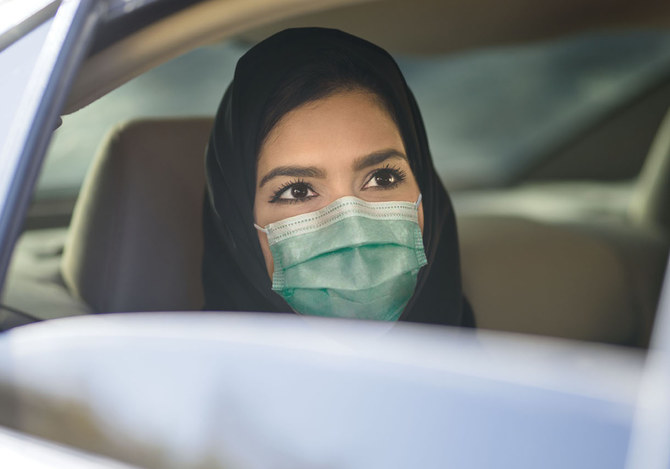
Free Uber rides offered for people getting vaccine

The initiative entitles users to two free Uber trips up to the value of SR50.
Short Url
Updated 05 September 2021
Follow

Free Uber rides offered for people getting vaccine

Uber, the Transport General Authority and Mastercard have joined forces to offer free rides to anyone in Saudi Arabia attending a COVID-19 vaccination appointment in more than 300 centers across the Kingdom. The initiative is part of Uber’s global commitment to help communities “Move What Matters” and support the Kingdom as it works to curb the spread of the pandemic. The initiative is also supported by payment technology company Mastercard under its mission to “Do Well By Doing Good,” and is in conjunction with its long-term partnership with Uber.
Anyone booking a vaccine appointment until Oct. 15 through the Sehaty or Tawakkalna apps will receive a text message on their mobile phone advising them about the promotion. It will entitle users to two free Uber trips up to the value of SR50 ($13) each way and can be used to access vaccination centers in 19 cities including Riyadh, Jeddah, Asir and Taif.
Saleh Alzowayeed, spokesperson for the TGA, said: “We fully support this important initiative which ensures everyone will be able to access transport to a vaccination center. As the body responsible for public transport, we were pleased to help in the development of the campaign and encourage everyone who needs it, to take advantage of this offer from Uber and Mastercard.”

NUMBER

19 cities across the Kingdom are part of Uber and Mastercard’s initiative to support the government’s vaccination drive.

Mohammad Gazzaz, general manager of Uber in Saudi Arabia, added: “We are committed to playing our part in helping communities in the Kingdom emerge from this pandemic.
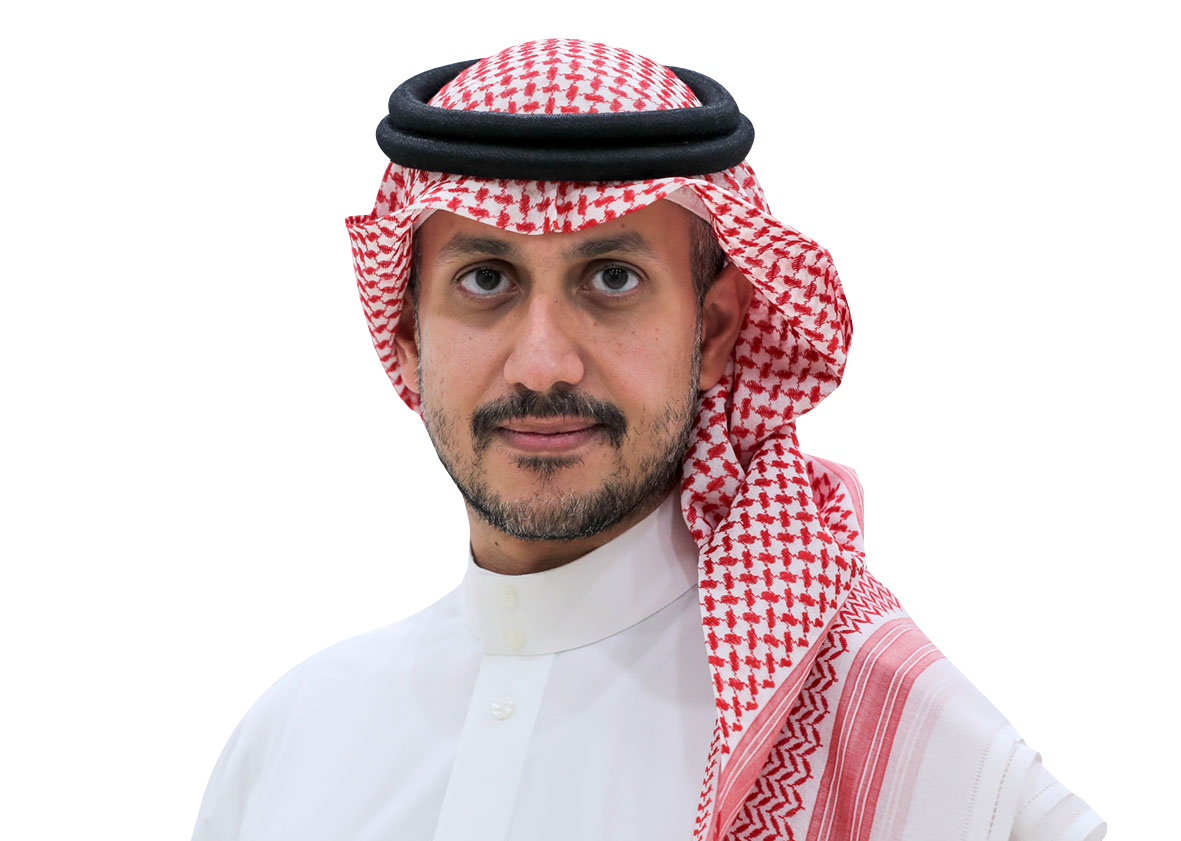


We are committed to playing our part in helping communities in the Kingdom emerge from this pandemic.
Mohammad Gazzaz
General Manager of Uber in Saudi Arabia

We fully support the government’s effort to make the COVID-19 vaccine accessible for all and hope this latest initiative, in partnership with Mastercard and TGA, will help remove any transportation barriers preventing individuals from accessing the program.”
“We hope that by facilitating a direct home-to-vaccine-center transport option, more people will be encouraged to take their COVID-19 vaccination and help combat the spread of the virus in the Kingdom.”
Amnah Ajmal, Mastercard executive vice president, market development, Middle East and Africa, said: “We believe that increased access to vaccination centers is vital as we navigate our changing world and work toward a better future for all. This is yet another example of the power of partnerships as we continue our mission of doing well by doing good.”
The initiative follows a previous promotion offered by Uber during Ramadan, when discounted rides were provided in cities across the Kingdom for those who wanted to access their first COVID-19 vaccination dose.


More crop per drop: NADEC and EF Polymer deploy breakthrough technology to cut agricultural water use by 40%

Updated 14 January 2026
Follow

More crop per drop: NADEC and EF Polymer deploy breakthrough technology to cut agricultural water use by 40%

Following a strategic technology-scouting framework led by Universal Materials Incubator, the National Agricultural Development Company has entered into a partnership to launch large-scale field trials of EF Polymer, marking a significant step in deploying deep-technology solutions to strengthen the Kingdom’s food and water security.

The collaboration initiates field trials of EF Polymer’s proprietary solution — a 100 percent organic, biodegradable powder that performs like a “soil battery” upcycled from food waste. Engineered to address water scarcity in arid and semi-arid regions, the material can absorb up to 50 times its own weight in water and gradually release moisture directly to plant roots. This mechanism has the potential to reduce irrigation water use by up to 40 percent, while enhancing crop yield and long-term agricultural productivity.

Beyond water efficiency, EF Polymer improves nutrient retention by minimizing fertilizer leaching, thereby reducing overall fertilizer requirements. After approximately one year in the soil, the material fully biodegrades into organic carbon, organic matter, and trace nutrients such as magnesium, calcium, and nitrogen — contributing directly to improved soil health and long-term fertility.

The solution is affordable, easy to apply, and suitable for a wide range of crops, making it viable both for individual farmers and for industrial-scale agricultural operations such as NADEC’s. 

EF Polymer has already achieved significant commercial adoption across multiple global markets, including Japan, the US, India and Turkiye, where it is actively used by farmers and agribusiness operators to improve water efficiency, soil health, and crop resilience under varying climatic conditions.

Its organic credentials are certified by OMRI and Ecocert, reinforcing its alignment with sustainable and regenerative agricultural practices.

The stakes for this alliance are high. By 2030, global freshwater demand is projected to exceed supply by 40 percent. In Saudi Arabia, the challenge is localized but intense: the agricultural sector alone consumes approximately 11.4 billion cubic meters of water annually. This partnership underscores NADEC’s commitment to adopting innovative, scalable technologies that conserve natural resources while supporting resilient food systems across the Kingdom.

Mohamed Al-Rajhi, VP of supply chain sector at NADEC, said: “Strategic agriculture today requires a long-term commitment to soil health and resource circularity. NADEC is leading the shift toward regenerative practices that restore our natural capital rather than merely consuming it. By diversifying our crop portfolio and investing in closed-loop nutrient management, we are insulating our operations against global price volatility and environmental shifts.”

“We are aggressively deploying AI-driven irrigation systems and satellite-based crop monitoring to optimize every drop of water and every hectare of land. This strategic pivot toward agri-digitization allows us to mitigate climate risks in real-time while significantly reducing our carbon footprint. Our commitment to sustainability is our greatest competitive advantage, ensuring that NADEC remains the cornerstone of the Middle East’s agri-food sector for decades to come. These trials focus on strategic scalable crops like wheat and olive trees to ensure the future of the Kingdom’s food security is both sustainable and locally rooted,” he added.

Strategic trial milestones:

  • Wheat: Trials have commenced to demonstrate water retention in this water-intensive crop.
  • Olive and blueberry: Specialized testing is scheduled for March to evaluate yield improvements and nutrient efficiency.

This collaboration supports Saudi Vision 2030 goals of reducing non-renewable groundwater use by 90 percent.