
JEDDAH: In an era of rapid tech advances and digital distractions, many parents find that instilling simple language skills in children can be a confusing and challenging task.
With this in mind a Saudi mother founded the Mommy Reads institute to make parents’ mission a lot easier.
Mommy Reads is one of the first Saudi institutes to focus on broadening children’s horizons, promoting the importance of reading out loud and its beneficial effect on motivation, imagination and language.
The institute targets children from year zero to 12 through reading a variety of stories in English and Arabic, and helping teaching children literacy in the preschool years.
Sundos Al-Sharif, CEO and founder of Mommy Reads, told Arab News that she was inspired to establish the language institute while preparing for her master’s in digital technologies, communication and education in the UK.
After having two children there she tried out the ideas on them.
“In 2009, with my first child, the midwife came for the first visit to check on both of us. She gave me a bag with three books explaining how important it is to read to my baby,” she said.
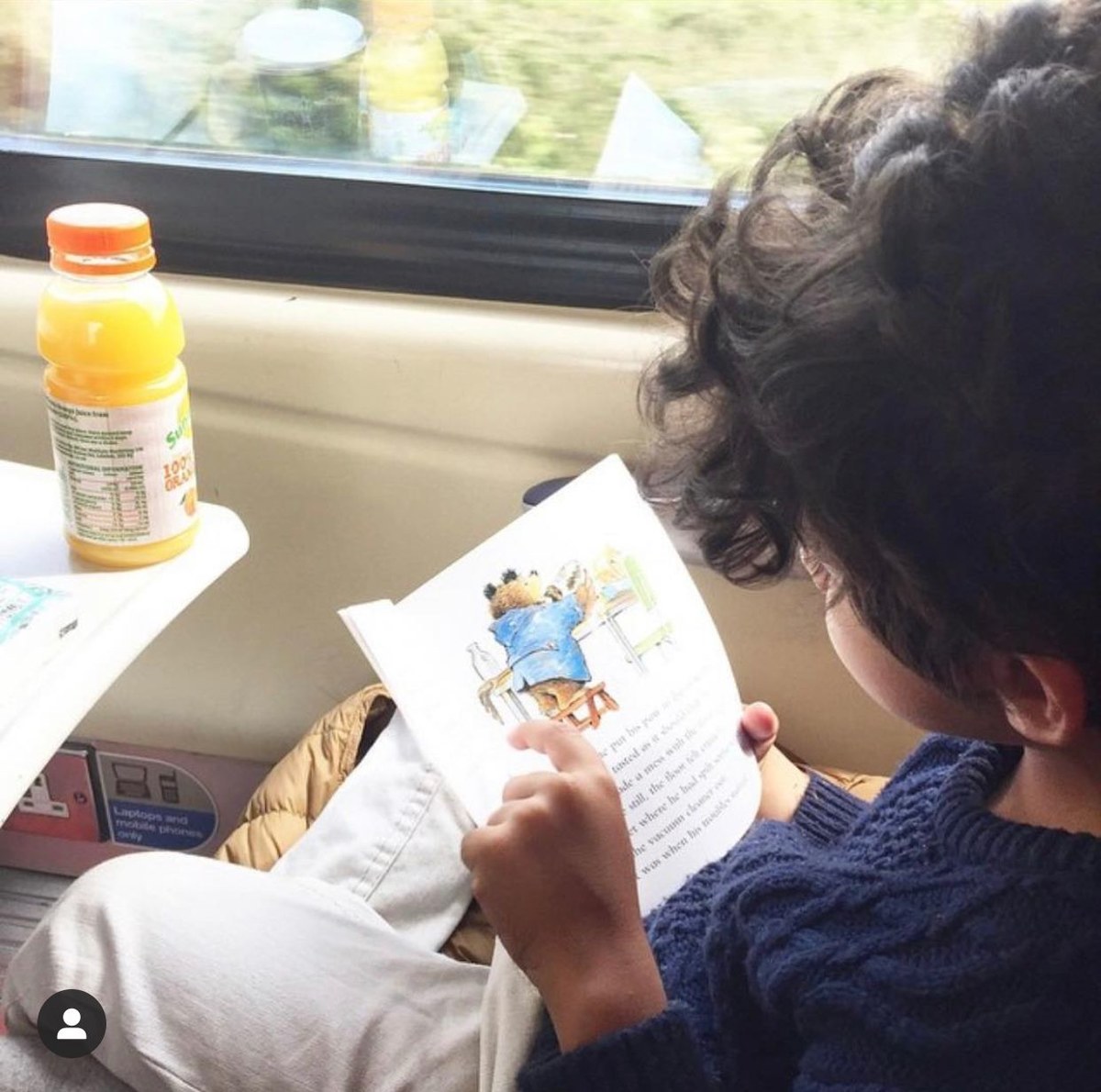
“I was amazed by the idea, and started searching and reading more about the effectiveness of reading to infants and babies, and practicing it with my children. The results were amazing. My son Al-Faisal, 12, is now a bookworm and my daughter Maria, who is five, is a good storyteller.”
Al-Sharif is experienced in establishing the main skills of reading and the art of storytelling. She is also passionate about children’s books in English and Arabic.
“We write stories and draw books with passion and tell them to children with more excitement,” she said.
According to some studies, reading to a baby in the womb promotes brain activity, early literacy skills and language development.
The institute targets babies in the womb from around 24 weeks of pregnancy and children up to 12 by reading stories aloud. This can help to develop children’s understanding of story structure and other elements of text, and provide the child with a wealth of information about the processes and functions of written language.
“Reading stories aloud develops children’s attention span and listening skills, and helps them experience the power of words through oral expression,” Al-Sharif said.
She and her team of professional storytellers provide five main programs, including interactive workshops with pregnant women, developing bilingual skills through stories for children aged from 4 to 10, teaching children literacy in preschool years, writing and drawing stories, and outdoor storytelling activities.
While relying on digital reading to teach children how to read might sound convenient, it also affects the parent-child bond, recent studies show.
Research suggests that nothing compares to interactive reading for children from a printed book, joining children in reading, and setting aside time to talk about stories, words and ideas.
“From my day-to-day interaction with mothers and children, I found in the past five years that awareness regarding the importance of reading from an early stage has increased dramatically in Saudi society,” Al-Sharif said.

Most parents today are keen to teach their children 21st-century skills and develop valuable skills, including bilingualism, she added. Mommy Reads encourages this through stories and storytelling, teaching children English and Arabic vocabulary in an interactive, enjoyable way.
“Through bilingualism, the child gains cognitive development, language skills, increased concentration, discipline, and improved imagination and creativity,” she said.
All children learn differently, but research shows that babies whose parents read to them frequently can speak more words by the age of two than those whose parents do not read as often.
Al-Sharif read stories to her own children at an early age, using finger puppets and interactive books. “I built their first library when my son was two months old,” she said.
“My husband and I took our son Al-Faisal when he was a toddler to the first story activity, where all the parents and young children would sit and listen to the storyteller in the library. He loved it so much that it became our favorite place every weekend,” she said.
“At the age of 7, Al-Faisal won the school’s reading competition and finished reading 10 stories in one day. My daughter Maria is now my partner in reading stories to children on YouTube and also helps them pronounce the words correctly.”
Mommy Reads can be reached via different social media platforms, where Al-Sharif details the program’s times and places.