JEDDAH: Saudi Arabia is radically expanding its leisure, tourism and hospitality sectors as it opens to international travelers. One attraction in particular could give the tourism industry an ace up its sleeve: The Soudah and “Tahlal” mountains in Rijal Almaa.
Soudah is home to the highest peak in Saudi Arabia, about 3,000 meters above sea level, and has long been popular with locals for its mild year-round temperatures.
Together with its rich history and breathtaking views, this mountainous region has all the makings of a top tourist destination.
The Soudah Development Co. was launched by Crown Prince Mohammed bin Salman, chairman of the Public Investment Fund PIF, to help Soudah and parts of Rijal Almaa in the Asir region grow into a world-class tourist destination.
Soudah and Rijal Almaa boast a combination of geographic, historical and cultural diversity that gives visitors an authentic sense of social connection and cultural immersion, and provide them with a variety of residential and recreational options.
The site of the project was chosen with great care, as it combines all elements of natural beauty historical depth and human values based on Arab and Islamic heritage.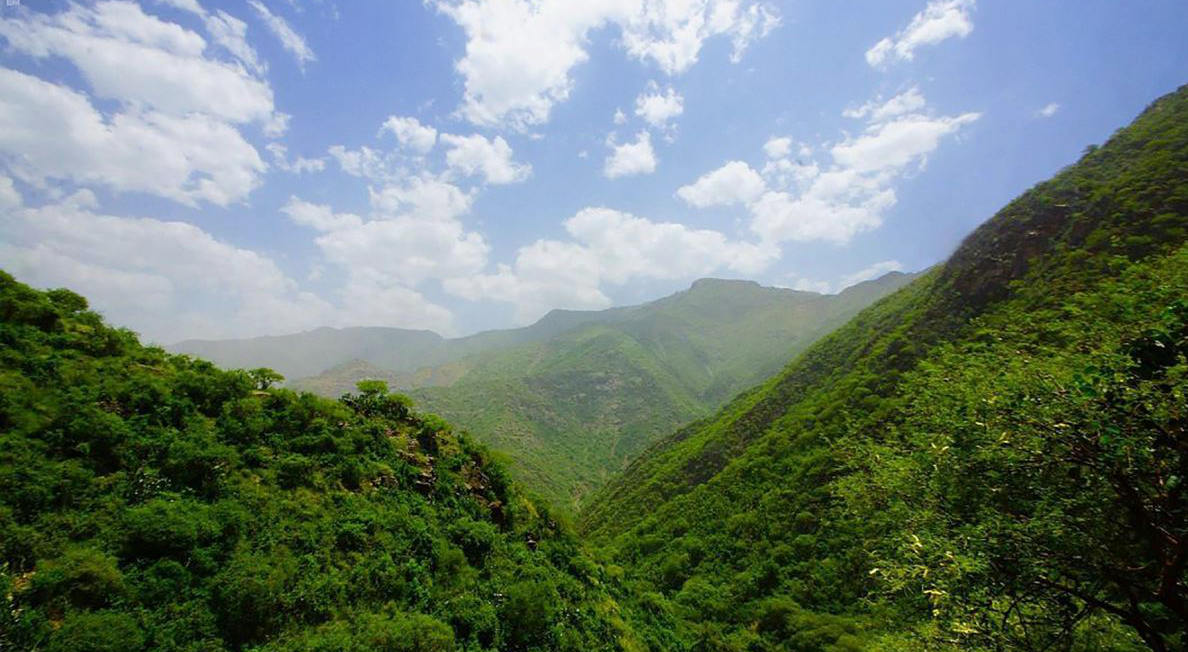
The place drew the attention of Western researchers and scholars for decades, such as the American engineer Karl Twitchell, who was commissioned by Saudi founder King Abdul Aziz to search for water.
The writer Abdullah bin Ali bin Hamid quoted Twitchell describing the beauty of the Soudah mountains and its water sources.
In one of his articles, compiled by his son, the former president of Abha Literary Club, Mohammed bin Abdullah Al-Hamid, into a book titled “Knowledge from Asir,” he pointed out that Jabal Tahlal, which Soudah is part of, was known by several names, including “Jabal Asir,” the “Green Mountain” or “Tawr Al-Ghamam,” all indications of the beauty and heritage of the place in popular memory.
Soudah attracts about 1 million visitors a year, and the SDC hopes to develop a destination that will attract as many as 2 million annually by 2030.
The area is also filled with natural economic resources such as iron. Professor of history at King Khalid University Dr. Ahmed Al-Fayeh pointed out that the inhabitants of the area used to extract minerals used in traditional industries, especially iron and lead, in addition to sulphur compounds used in the manufacture of knives, daggers, janbia and swords.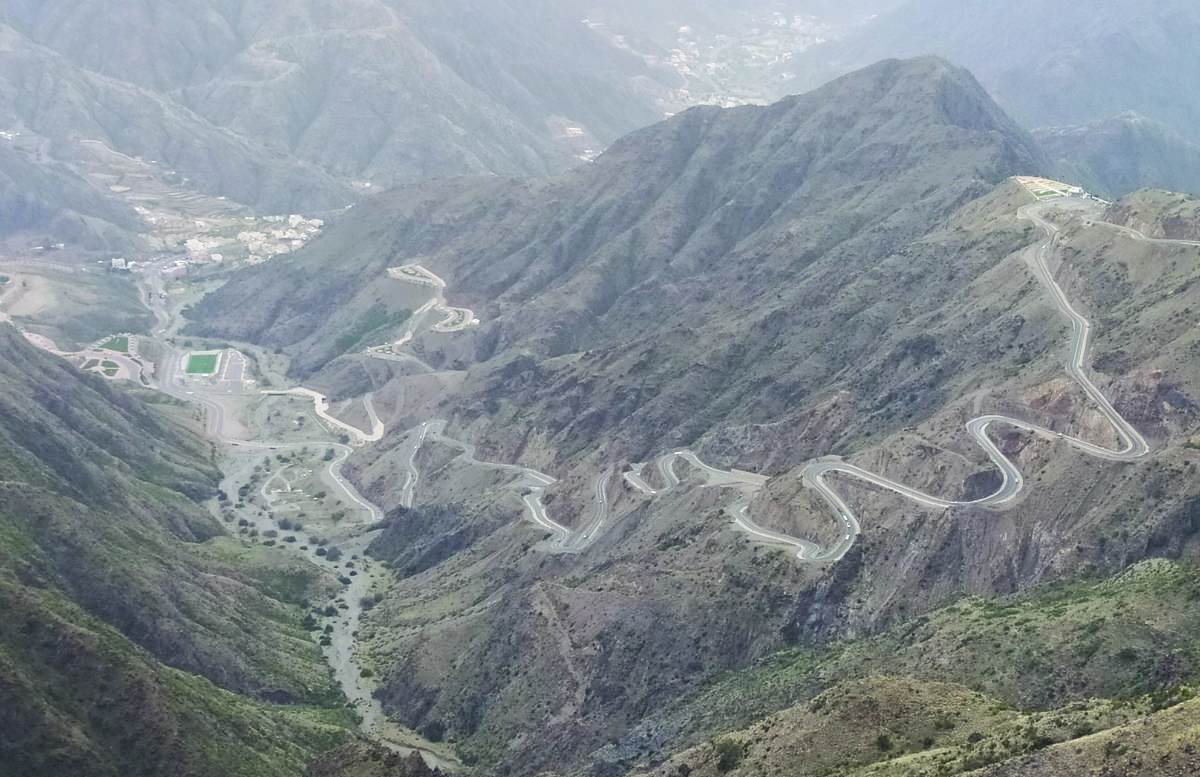
These areas were also known for pottery and leather industries.
The impressive natural wealth on which modern tourism projects were based includes juniper forests and wild olive trees, as well as hundreds of other trees and shrubs that form one large green space, due to mild summer weather where temperatures do not exceed 20 C with an average annual rainfall of 300 to 500 mm.
The high mountains come together with the dense forests to provide a rare investment and tourism environment, relying on nature’s components while preserving the flora and fauna, namely swallows, turtle doves, and wild pigeons, whose chirping forms a natural melody mixed with burbling water flowing through mountain forests.
The SDC infused SR11 billion ($3 billion) into local infrastructure. Planned developments include 2,700 hotel rooms, 1,300 residential units, and 30 commercial and entertainment attractions.
The project aims to boost the quality of services provided in the project area, by investing in infrastructure development though more than 20 projects worth more than SR3 billion.


![]()

Soudah and Rijal Almaa: Where Saudi Arabia’s natural beauty opens up to the world

Short Url
https://arab.news/zuq3r
Soudah and Rijal Almaa: Where Saudi Arabia’s natural beauty opens up to the world
- Soudah and Rijal Almaa boast a combination of geographic, historical and cultural diversity that gives visitors an authentic sense of social connection and cultural immersion


Latest updates


© 2026 SAUDI RESEARCH & PUBLISHING COMPANY, All Rights Reserved And subject to Terms of Use Agreement.