


JEDDAH : Saudi Arabia’s daily rate of new COVID-19 cases has seen a significant decline in the past 10 days, with health experts relating the fall to continued public adherence to guidelines and an increase in vaccine rates.
The Ministry of Health reported 546 new cases on Wednesday, raising the total number since the start of the pandemic to 540,244.
Riyadh, with 159 cases, was the only region to report more than 100 new cases in the 24 hours preceding Wednesday’s announcement. Makkah reported 88 and the Eastern Province 56. All other regions reported numbers below 50, with Baha reporting only nine. There were 794 recoveries reported overall, raising the total number to 525,559. The Kingdom’s recovery rate is holding steady at 97.2 percent.
The number of active COVID-19 cases in the Kingdom has declined to 6,246 — 1,273 of which are critical, a decline of 22 in the past 24 hours. Eight new deaths due to complications from COVID-19 raised the Kingdom’s death tally to 8,439.
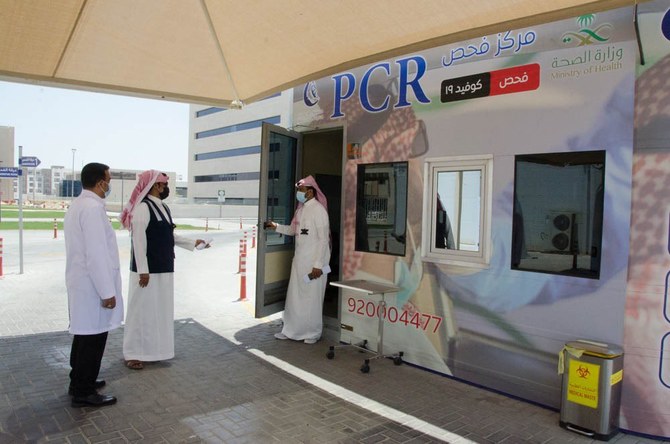
In the past 24 hours, 72,968 new PCR tests have been conducted, raising the total number of tests to more than 26.6 million.
More than 32.8 million doses of COVID-19 vaccines have been provided so far — a rate of 94.2 per 100 people.
Health experts have said that the Kingdom could reach herd immunity within the next two months with continued public adherence to guidelines and the expected increase in the number of people who have received both doses. So far, 33.6 percent of the Kingdom’s 34.8 million inhabitants have had both doses.

Meanwhile, some 45 people were arrested in the Northern Borders for violating preventive measures that stipulate no more than 20 people can gather at one point. Legal measures have been taken against them and penalties were applied against the host, the person in charge of the facility, and everyone who attended the gathering.
Police in Madinah said they arrested 27 people for flouting quarantine rules after they tested positive for COVID-19.
Penalties for individuals who violate quarantine instructions include a fine of up to SR200,000 ($53,332) and/or up to two years imprisonment, and penalties are doubled for repeat offenders. If the violation was committed by an expat, they face deportation from the Kingdom and are permanently banned from reentry.
The Jeddah Municipality closed 62 commercial establishments and issued fines to 66 others for violating preventive measures, during 3,832 monitoring rounds carried out on Tuesday.
The Eastern Province Municipality carried out 1,455 inspection tours of commercial centers and facilities on Tuesday and registered 95 violations, while the Najran Municipality carried out 106 inspection tours in the past two days, identifying 34 violations, and issuing 11 warnings.
Officials have urged the public to report any suspected health breaches by phoning the 940 call center number or using the Balady app.
The Ministry of Islamic Affairs reopened three mosques in two regions after temporarily evacuating and sterilizing them after some people tested positive for coronavirus, bringing the total number of mosques closed and reopened after being sterilized to 2,010 within 193 days.
The coronavirus pandemic has affected over 209 million people globally and the death toll has reached around 4.39 million.


