- Amir Mir and Shafqat Imran were detained in Lahore by the FIA's cybercrime wing on Saturday morning
- They were released on bail later in the day, after an outcry from opposition leaders, activists, and the media
ISLAMABAD: Pakistan's Federal Investigation Agency (FIA) has released two journalists it took into custody on Saturday morning, the Lahore Press Club confirmed.
Amir Mir and Shafqat Imran were detained in Lahore by the FIA's cybercrime wing, which has registered cases against them under the 2016 Prevention of Electronic Crimes Act (PECA).
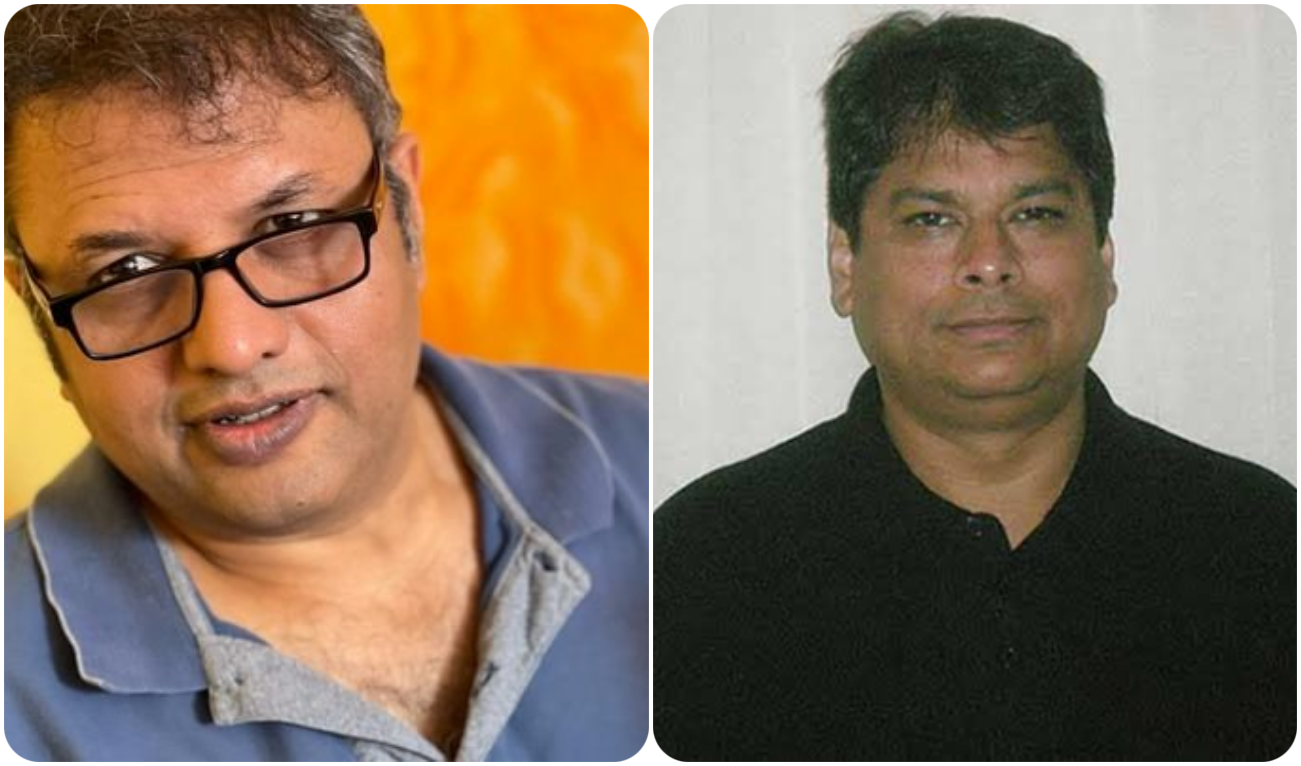
Imran runs a YouTube channel critical of both the Pakistani government and military, while Mir runs a digital news outlet and is the brother of Geo TV anchor Hamid Mir.
The journalists were released on bail later in the day after an outcry from opposition leaders, activists, and the media.
"The FIA is releasing both of them on a personal surety, but separate cases are registered against them,” Arshad Ansari, president of the Lahore Press Club, told Arab News on Saturday.
He said the FIA had booked Mir and Imran on cybercrime charges over videos on YouTube that allegedly targeted national institutions, hurt national interest and the country’s image.
"Both of them will now have to face the charges in the court of law," Ansari said.
The news about the arrest was reported in the afternoon by Mir's brother.
"FIA Cyber Crimes Wing Lahore kidnapped journalist Amir Mir in Lahore this morning, snatched his phone and laptop," Mir said in a tweet. "We came to know about his location after 5 hours. FIA also arrested another journalist Syed Shafqat Imran this morning from Lahore."
Mir declined comment about the arrest. "Please contact FIA," he told Arab News.
In a later Twitter post, he shared a screenshot of the FIA charges, which included alleged contempt against the army, judiciary, and “women,” without mentioning the names of the latter.
Babur Bakht Qureshi, director of the FIA's cybercrime wing in Lahore, did not immediately respond to phone calls and messages seeking information on the case, which has since drawn wide condemnation.
"Strongly condemn the arrest of journalists #AmirMir and #ImranShafqat. Imran Khan continues victimization of political opponents and media critics to hide his incompetence and failures," opposition leader and Pakistan Peoples Party (PPP) chairman Bilawal Bhutto Zardari said in a tweet, as he demanded the journalists' immediate release.
PPP Senator Sherry Rehman demanded "clarity in law on why Amir Mir and Imran Shafqat have been summarily arrested."
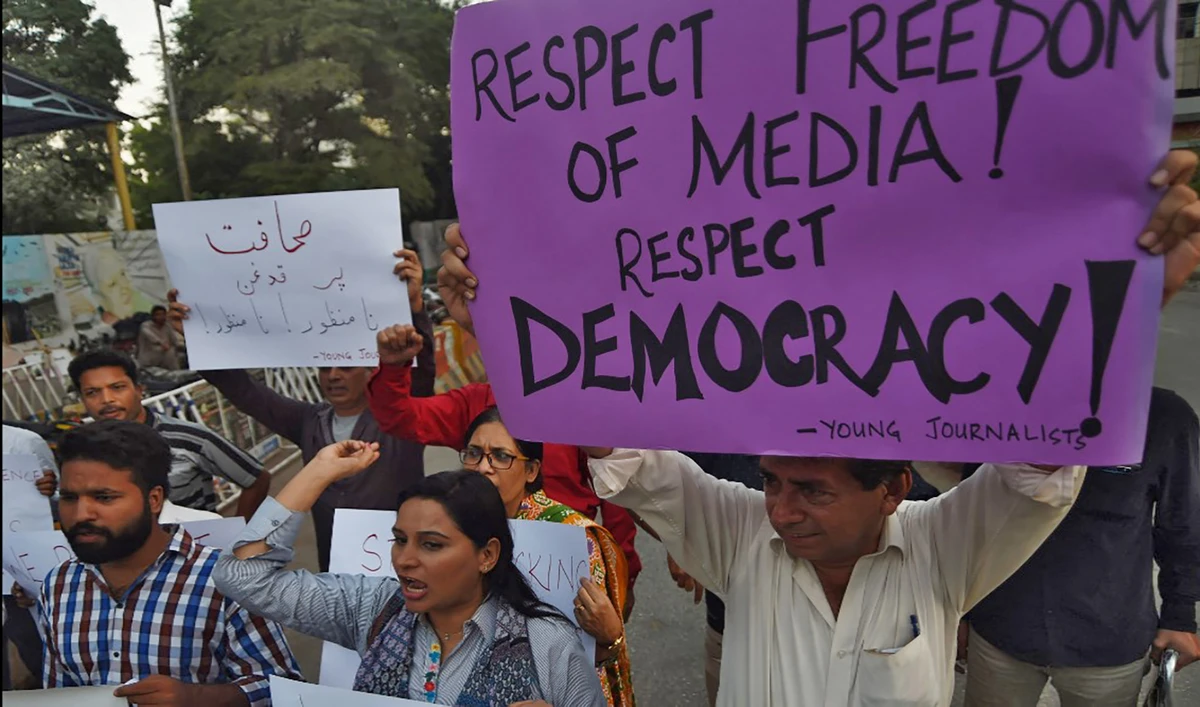
Pakistani journalists, meanwhile, took to the social media with the hashtag #JournalismIsNotACrime.
Journalists have been complaining over curbs on freedom of press in Pakistan and say authorities are beginning to keep a close eye on social media content as well, increasingly using laws such as the PECA.
Other complaints from range from direct edicts to editors and producers not to air opposition voices or publish news critical of the government or the military; pulling TV stations from transmission or newspapers from circulation; and targeting the advertising revenue of dissenting media.
The Pakistani government vehemently denies censoring the media.
In an interview to Arab News in April then Information Minister Shibli Faraz said there was no censorship in in Pakistan.
“There is no concept of media censorship in the country, whatsoever,” he told Arab News. “Media in Pakistan enjoys complete independence and freedom to report, be it politics, economy or any other sphere.”