

Film AlUla joins as Saudi Arabia unveils pavilion at Cannes Film Festival 

The pavilion, No. 120, at the festival, will also include representatives from the Ministry of Investment, Red Sea International Film Festival, NEOM, MBC, Ithra, Nebras Films, Cinewave, Telfaz 11 and Arabian Pictures. (Arab News/ Ammar Abd Rabbo)
Short Url
Updated 14 July 2021
Follow

Film AlUla joins as Saudi Arabia unveils pavilion at Cannes Film Festival 

CANNES: The Saudi Film Commission has unveiled its pavilion at this year’s Cannes Film Festival. 

Saudi Arabia’s National Pavilion will shed light on the Kingdom’s burgeoning film industry and the opportunities it has to offer.

The booth will feature film agencies, filmmakers and other industry experts.  
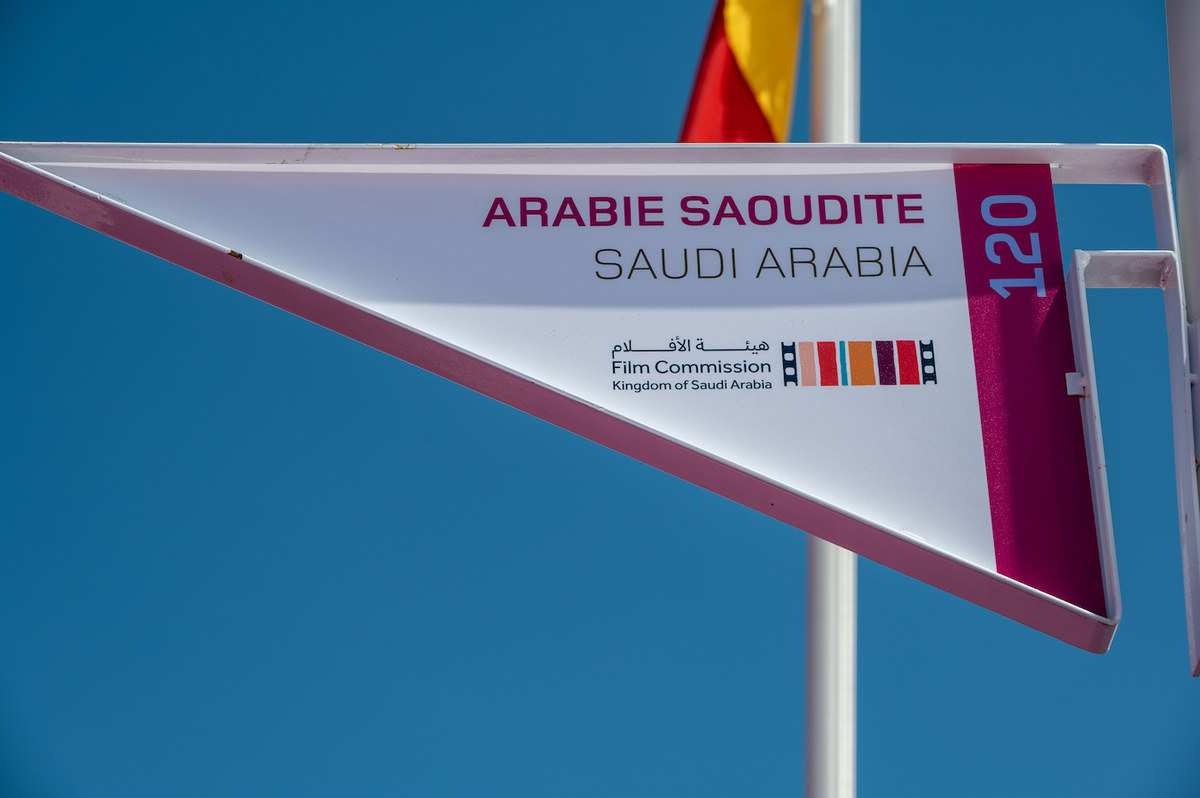


Saudi Arabia’s National Pavilion will shed light on the Kingdom’s burgeoning film industry and the opportunities it has to offer. (Arab News/ Ammar Abd Rabbo)

According to the organization, the aim of the pavilion is to create a space for dialogue and discussion with film industry leaders from around the world, and to enable Saudi filmmaking companies to meet and exchange ideas with global filmmakers. 

The Saudi Film Commission’s objectives are to also introduce the Kingdom’s film locations and investment opportunities, and to highlight the organization’s programs and initiatives. 


According to the organization, the aim of the pavilion is to create a space for dialogue and discussion with film industry leaders from around the world. (Arab News/ Ammar Abd Rabbo)

The pavilion also has a delegation from Film AlUla, the Royal Commission for AlUla’s newly established film agency, to promote international film and TV production in AlUla, a region in northwest Saudi Arabia of outstanding natural and cultural significance.

Having launched at the Berlinale earlier this year, this is the first appearance for the agency at Cannes. Film AlUla also announced its new facilities, which will accommodate 150 film crew and include production offices, recreational facilities and an outdoor cinema.
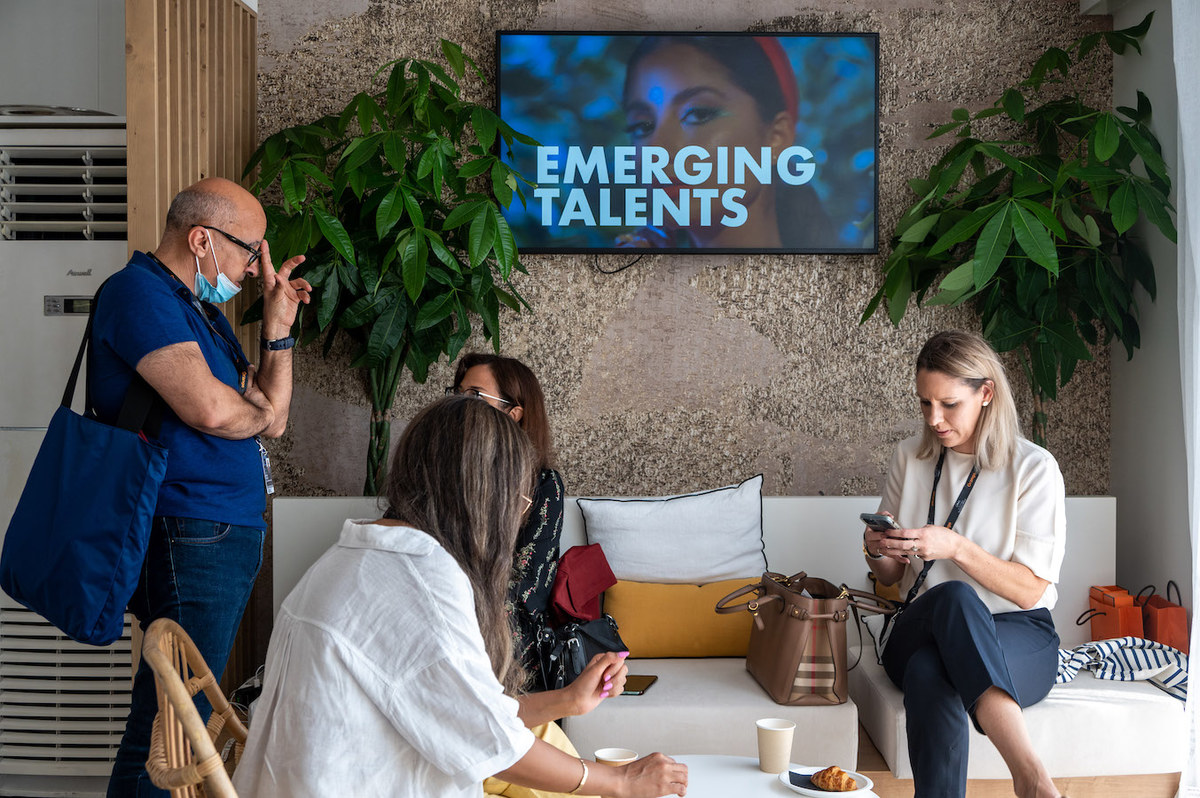


The booth will feature film agencies, filmmakers and other industry experts. (Arab News/ Ammar Abd Rabbo)

Film AlUla will showcase the mostly unexplored destination, which presents filmmakers and the world at large with some of Earth’s most sensational scenery.

The pavilion, No. 120, at the festival, will also include representatives from the Ministry of Investment, Red Sea International Film Festival, NEOM, MBC, Ithra, Nebras Films, Cinewave, Telfaz 11 and Arabian Pictures.


BMW Art Cars mark 50 years at inaugural Art Basel Qatar

Updated 09 February 2026
Follow

BMW Art Cars mark 50 years at inaugural Art Basel Qatar

DOHA: BMW’s long-running Art Car initiative took center stage at the inaugural Art Basel Qatar, with Thomas Girst, BMW Group’s head of cultural engagement, reflecting on five decades of collaboration between artists, engineers and the automobile.

Speaking at the fair, Girst situated the Art Car program within BMW’s broader cultural engagement, which he said spanned “over 50 years and hundreds of initiatives,” ranging from museums and orchestras to long-term partnerships with major art platforms.

“Every time Art Basel moves — from Miami to Hong Kong to Qatar — we move along with them,” he said. “That’s why we’re here.”


A post shared by Art Basel (@artbasel)

The occasion also marked the 50th anniversary of the BMW Art Car series, which began in 1975 with Alexander Calder’s painted BMW 3.0 CSL. Since then, the project has grown into a global collection that brings together motorsport, engineering, design and contemporary art. “Those Art Cars speak to a lot of people at the intersection of motorsports, technology, racing engineering, arts, lifestyle and design,” Girst said.

For Girst, the relationship between art and the automobile has deep historical roots. He pointed to early modernist fascination with cars, noting that “since the inception of the automobile,” artists have seen it as both a subject and a symbol of modernity. “There’s a reason for arts and culture and cars to mix and mingle,” he said.

At Art Basel Qatar, visitors were invited to view David Hockney’s BMW Art Car — Art Car No. 14 — displayed nearby. Girst described the work as emblematic of the program’s ethos, highlighting how Hockney painted not just the exterior of the vehicle but also visualized its inner life. The result, he suggested, is a car that reflects both movement and perception, turning the act of driving into an artistic experience.

Central to BMW’s approach, Girst stressed, is the principle of absolute artistic freedom. “Whenever we work with artists, it’s so important that they have absolute creative freedom to do whatever it is they want to do,” he said. That freedom, he added, mirrors the conditions BMW’s own engineers and designers need “to come up with the greatest answers of mobility for today and tomorrow.”

The Art Car World Tour, which accompanies the anniversary celebrations, has already traveled to 40 countries, underscoring the project’s global reach. For Girst, however, the enduring value of the initiative lies less in scale than in its spirit of collaboration. Art, design and technology, he said, offer a way to connect across disciplines and borders.

“That’s what makes us human. We can do better things than just bash our heads in — we can create great things together,” he said.