JUBA, CAIRO: Sudanese authorities adjourned talks on Tuesday with the most powerful rebel leader from the country’s south, saying they had agreed on more than three quarters of a framework peace deal.
A deal with Abdelaziz Al-Hilu’s Sudan People’s Liberation Movement-North (SPLM-N) would be a big step in efforts to resolve decades of internal conflict in Sudan following the overthrow of former leader Omar Bashir in 2019.
Some rebels from the south and from the troubled western region of Darfur signed what was meant to be a comprehensive peace agreement last year.
But Al-Hilu, who has control over significant forces and territory from his stronghold in South Kordofan, held out, as did the leader of the most active Darfur group, Abdel Wahed El-Nur.
Earlier this year, the SPLM-N and Sudan signed a declaration of principles to guarantee freedom of worship and separate religion from the state — a key demand for Al-Hilu.
That paved the way for peace talks that have been held over recent weeks in the capital of neighboring South Sudan, Juba.
Sudan’s ruling council, formed under a military-civilian power-sharing deal after Bashir’s ouster, cited the lead negotiator at the talks as saying all but four out of 19 points had been resolved.
A senior SPLM-N official said more than three quarters of a framework deal had been agreed on.
SPLM-N spokesperson Mohammad Kuku refused to give details on the points of disagreement, saying consultations would continue ahead of the next round of talks.
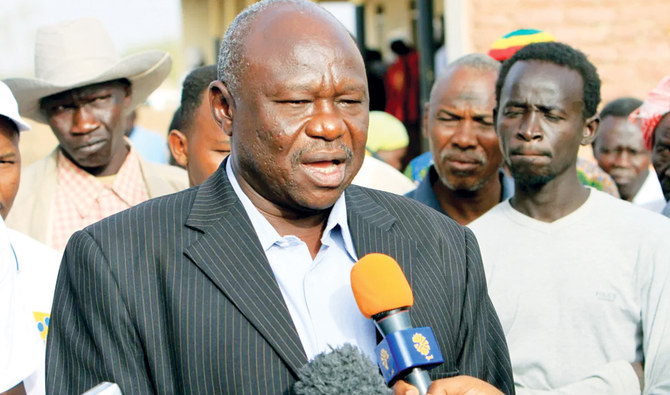
Tut Galuak, a security adviser to South Sudan’s president who led mediation efforts said Sudan and the SPLM-N agreed to end negotiations and conduct further consultations over their disputed points.
He said the two sides have reached “significant understandings of the disputed issues,” and that “only four out of 19 points” remain unsolved. He did not elaborate.
Galuak’s comments came in a statement released by Sudan’s ruling sovereign council.
Also in the statement, Gen. Shams Eddin Kabashi, a member of the sovereign council and the government’s chief negotiator, said the sides would return to the negotiating table “once conditions are more favorable.”
The rebel group’s chief negotiator, Ammar Amount, said they have agreed on between 75 percent to 80 percent of the deal and the remaining issues need further consultations with their leaders.
Neither side gave a time frame for a return to the talks.
SPLM-N operates in an area inhabited mainly by minority Christians and followers of indigenous beliefs, who had long complained of discrimination at the hands of Khartoum and Bashir’s regime.
Sudan’s transitional government has been engaging in peace talks with rebel groups over the past two years. It’s looking to stabilize the country and help its fragile path to democracy survive following the military’s overthrow of Bashir in April 2019. It reached a peace deal with another rebel alliance in October.


![]()

Sudan says progress made in peace talks with rebel leader
Short Url
https://arab.news/4tjve
Sudan says progress made in peace talks with rebel leader
- Sudan’s transitional government has been engaging in peace talks with rebel groups over the past two years


Latest updates


© 2026 SAUDI RESEARCH & PUBLISHING COMPANY, All Rights Reserved And subject to Terms of Use Agreement.