



DHAHRAN: The Saudi Film Festival, organized by the Cinema Association in partnership with the King Abdulaziz Center for World Culture and supported by the Saudi Film Commission, has announced that it will launch at Ithra in Dhahran between April 23-29.
This year’s festival explores the theme of “Cinema of the Journey,” presenting a selection of Arab and international films, both short and feature-length, that center on journeys and movement as essential storytelling elements.

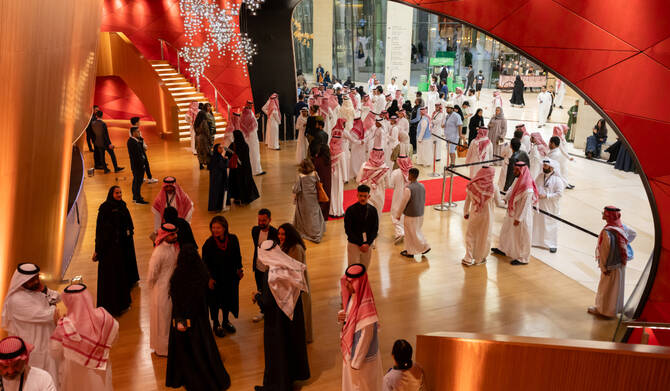
Since its launch in 2008, the Saudi Film Festival has played a central role in nurturing local and Gulf cinema. (Supplied)
The program includes road movies, travel narratives and films where physical or emotional journeys drive the narrative.
The theme encourages Saudi filmmakers to explore this subject through their own perspectives. It positions cinema itself as an act of continuous transition, where identity, place, and time converge to shape the human experience.
FASTFACTS
• This year’s Saudi Film Festival will explore the theme of ‘Cinema of the Journey,’ presenting a selection of Arab and international films that center on journeys and movement as essential storytelling elements.
• The program includes road movies, travel narratives and films where physical or emotional journeys drive the narrative.
Following last year’s focus on Japanese cinema, the festival will present a special “Spotlight on Korean Cinema” this year.
Ahmed Al-Mulla, founder and director of the Saudi Film Festival, said in a statement: “We’re excited to welcome filmmakers to our annual gathering. Our doors are open to all creators, and filmmakers remain at the heart of everything we do. This year’s festival creates an atmosphere filled with inspiration, idea exchange, and shared learning. It’s a celebration of cinematic creativity for everyone.”
Tariq Al-Khawaji, deputy director of the festival, added: “At Ithra, we’re proud of our longstanding partnership with the Cinema Association. It has enabled the festival’s growth and thematic diversity year after year, which we see clearly in how we empower filmmakers and create opportunities to engage with global cinema.
“The festival continues to grow across all areas, from preparations and participation to industry expectations locally and regionally. That makes attention to every detail essential.”
Since its launch in 2008, the Saudi Film Festival has played a central role in nurturing local and Gulf cinema. After intermittent early editions, it has now established itself as an annual platform for narrative and documentary competitions, industry programs and project markets.
By bringing together emerging and established filmmakers in Dhahran each year, the festival strengthens Saudi Arabia’s growing presence on the global film stage.


