ALGIERS: Algeria's FLN, long the country's biggest political party, won the most seats in Saturday's parliamentary election, the head of the electoral authority said on Tuesday.
Fewer than a third of registered voters took part in the election, which the long dominant establishment had seen as part of its strategy to move beyond two years of mass protests and political turmoil.
The protests that erupted in 2019 demanded the ousting of the ruling elite, an end to corruption and the army's withdrawal from politics. While authorities praised the demonstrations as a moment of national renewal, they also cracked down with arrests.
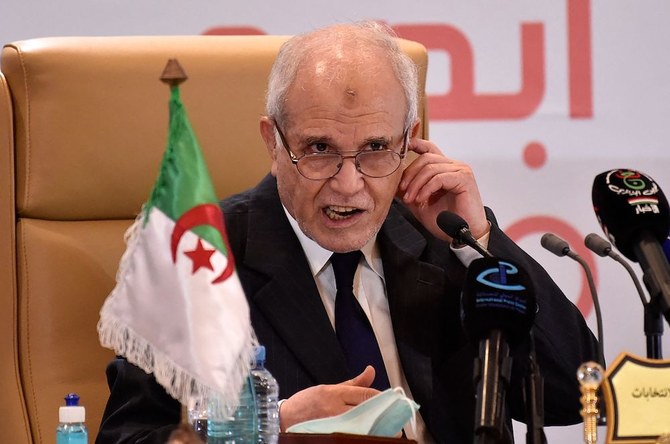
"The dynamic of peaceful change that was launched (with the protests) is being strengthened," electoral authority head Mohamed Chorfi said, referring to the election.
The FLN's 105 seats were far short of the 204 needed to secure a majority in the 407-seat parliament, with the Islamist MSP winning 64 seats, another former ruling coalition party, the RND, winning 57, and independent candidates taking 78 seats.
However, most of the elected members of parliament are expected to support President Abdelmadjid Tebboune's programme, including economic reforms.
Islamist parties had hoped to benefit from the unrest of the past two years of protests that pushed the veteran president, Abdelaziz Bouteflika, from office and led to the jailing of numerous senior officials.
But the biggest difference from previous elections was the much larger number of independents winning seats in parliament, with Islamists retaining about the same share as previously.
The leaderless "Hirak" mass protest movement boycotted the vote, as it had the 2019 election that installed Tebboune in place of Bouteflika.
Hirak has said any vote that takes place while the current establishment remains in place, and while the army interferes in politics, cannot be fair.
While elections before Hirak's rise had higher official turnout figures, they were still often marked by a large number of abstentions.
The make-up of the new parliament is expected to shape the next government, which will face a looming economic crisis with Algeria having spent more than four fifths of its foreign currency reserves since 2013.


![]()

Algeria's FLN wins most seats in parliament, election authority says
Short Url
https://arab.news/jta6n
Algeria's FLN wins most seats in parliament, election authority says
- Fewer than a third of registered voters took part in the election
- The leaderless "Hirak" mass protest movement boycotted the vote


Latest updates


© 2026 SAUDI RESEARCH & PUBLISHING COMPANY, All Rights Reserved And subject to Terms of Use Agreement.