



MAKKAH: Ritaj Al-Hazmi, 12, has won the title of the “Youngest Writer of a Novel Series” in the world with the Guinness World Records after publishing two novels.
She published her third novel this year and is currently working on two others.
Al-Hazmi grew up reading fiction and fantasy and was inspired to be a published writer in 2016 after her father took her to a bookstore and wanted to see her books on the shelves along with big names.
She was motivated to write for her age group as she said that most of the books were targeted at those either older or younger than herself.
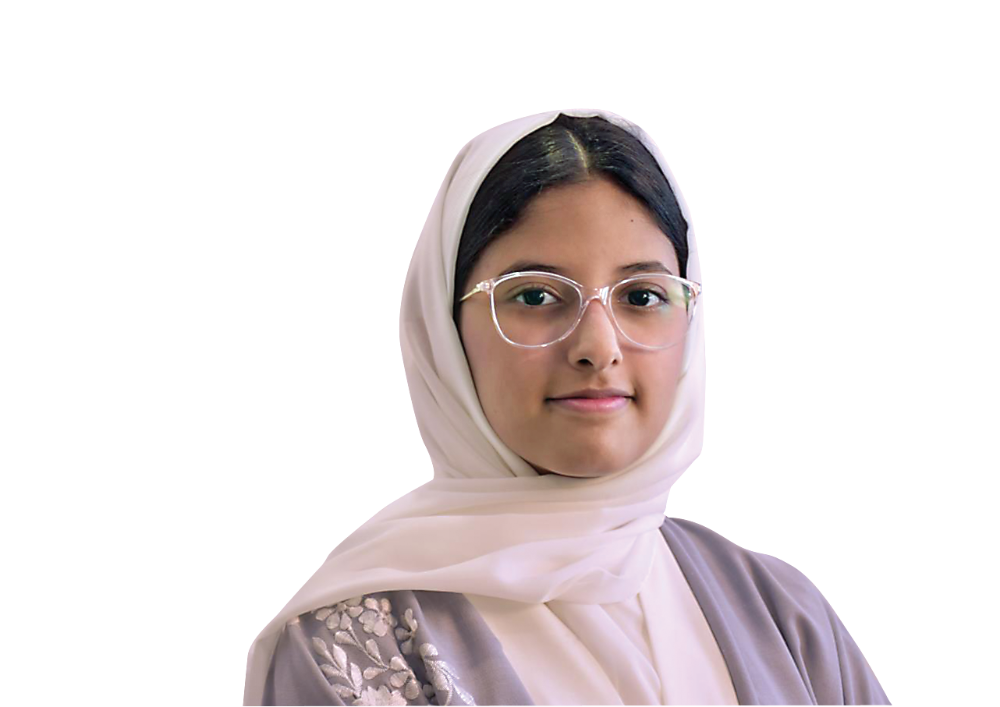
Ritaj Al-Hazmi
“From the day I set my eyes on reading, I’ve discovered what I wanted to be when I was a bit older. I wanted to connect myself to the world by reading, writing, sharing ideas, insights and opinions,” she said.
The young novelist wanted her first book to be fiction. “I knew that I wanted my book to have an idea to help the readers run toward their dreams without giving up. I always believed that my writing would help persuade them to do just that.”
After finishing the draft of her first book, she sent it to an editor who told her that it needed to be a lot more detailed than she had first thought. Giving up was not an option for her as she had already finished her first draft.
Her father insisted that she take some courses to learn about this genre and how to master it. After completing serval courses, she rewrote the whole draft.
“The courses were from Writing Mastery by Jessica Brody. I started to write what I learned about — from hooking the readers, to fiction structure, to great ingredients for fiction writing, to methods such as the Save the Cat method (STC),” she said.
HIGHLIGHTS
● After finishing the draft of her first book, she sent it to an editor who told her that it needed to be a lot more detailed than she had first thought. Giving up was not an option for her as she had already finished her first draft.
● Find a publishing house that was willing to publish Al-Hazmi’s book at her age was a challenge — until she signed a contract with a publishing house in January 2020.
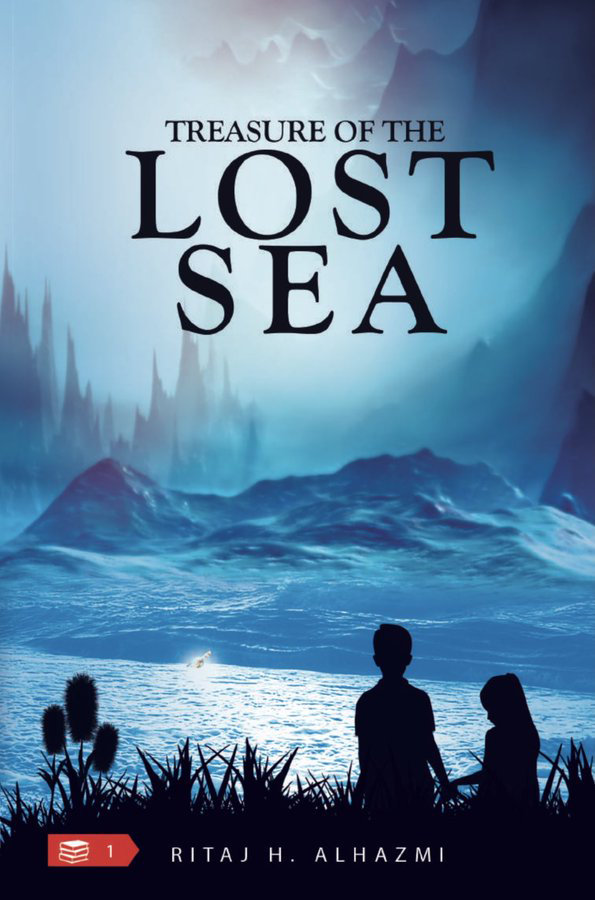
Al-Hazmi completed her first book, “Treasure of the Lost Sea,” at the end of 2018, sent it to the editor and began writing her second novel, “Portal of the Hidden World.” Both her books were published in 2019.
“I was able to attend Riyadh International Book Fair and signed my first book there. At that time, I was interviewed by one of the well-known TV channels, MBC, and talked about my writing journey,” she said.
Find a publishing house that was willing to publish Al-Hazmi’s book at her age was a challenge — until she signed a contract with a publishing house in January 2020.
During the same year, she also planned her third book of the series. “Since I read some blogs on the future, I guessed it would be a good topic for my main characters to look through. Because most of the series talked about magic powers, I knew some change would be good considering the main characters would be trying something new.”
Al-Hazmi usually plans the title of the book before writing it, however, that changed several times thoughout the writing process until she finally decided to name it based on the theme “Beyond the Future World.”
While writing her third book of the series — as her parents looked for new courses for her— Al-Hazmi decided to hold her own workshop. She began working on the presentation slides, planning the content, points of discussion and, most importantly, how she could deliver the knowledge to those who were coming to learn.
“After I got ready and introduced the workshop, I was amazed to see all those children coming to learn. Throughout my workshop, I learned a lot of things,” she said. “One of the most important things to do after learning is teaching others what you know, remembering what you have learned, and why you decided to do so.”
“Beyond the Future World” has had a significant impact on Al-Hazmi, she said, noting that she had a “very memorable” journey with the book.
“My message for everyone — especially those my age — dream big, do it now, don’t wait till later. Ideas come and go, so do opportunities,” she said.


