BRASILIA: Brazil’s health regulator said Thursday its decision to reject the Russian-made Sputnik V coronavirus vaccine was based on the developer’s own data, after the latter threatened to sue for defamation.
Brazilian regulators’ decision Monday to deny emergency use authorization for the vaccine has blown up into an all-out international row, with Sputnik V’s makers accusing them of “knowingly spreading false and inaccurate information” without testing the vaccine themselves.
The Brazilian agency, Anvisa, based the decision on evidence the vaccine carried a live version of adenovirus, a common cold-causing virus.
It fired back defensively in a press conference that it had drawn that conclusion from information “submitted by the Sputnik V vaccine developer itself.”
“Anvisa was accused of lying, of acting unethically, of disseminating fake news about replicating adenovirus,” said the agency’s director, Antonio Barra Torres.
“We refute this grave accusation.”
The spat came three days after Anvisa announced it had denied a request from several states to import Sputnik V, saying its experts had flagged “uncertainties” about the jab.
The Brazilian government, which is struggling to secure enough vaccines for the hard-hit country’s 212 million people, had been negotiating the purchase of 30 million Sputnik doses.
The vaccine’s developers said Tuesday the decision was politically motivated, then upped their response Thursday.
“Sputnik V is undertaking a legal defamation proceeding in Brazil against Anvisa,” the developer said on the official Sputnik V Twitter account.
“Anvisa made incorrect and misleading statements without having tested the actual Sputnik V vaccine.”
The issue centers around an “adenovirus vector” — a virus that normally causes mild respiratory illness but in vaccines is genetically modified so that it cannot replicate, and edited to carry the DNA instructions for human cells to develop the spike protein of the virus that causes Covid-19.
This in turn trains the human system to be prepared in case it encounters the real coronavirus.
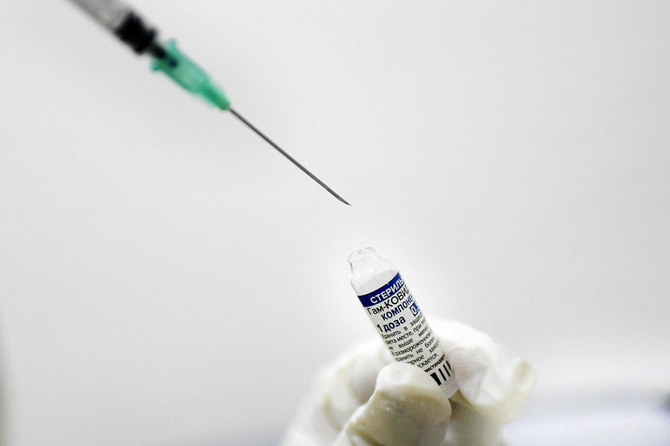
The Sputnik V vaccine uses two different adenovirus vectors to accomplish this task, administered in two shots.
According to a slideshow presented by Anvisa regulators, the agency determined that the booster shot was “replication competent” — meaning that once inside the body, the adenovirus can continue to multiply.
They added that this had likely occurred because of a manufacturing problem.
The Russian vaccine has been approved for use in at least 60 countries, including more than 10 in Latin America.
But it has not yet been approved by the European Medicines Agency (EMA) or the United States’ Food and Drug Administration (FDA).
Some Western countries have been wary of Sputnik V — named after the Soviet-era satellite — over concerns the Kremlin would use it as a soft-power tool to advance its interests.
Moscow registered the jab in August before large-scale clinical trials, but leading medical journal The Lancet has since said it is safe and more than 90 percent effective.


![]()

Russia-Brazil spat erupts over Sputnik vaccine snub
Short Url
https://arab.news/64c3k
Russia-Brazil spat erupts over Sputnik vaccine snub
- Sputnik V’s makers accused Brazil's health regulator Anvisa of spreading false information about the vaccine
- Anvisa says it had denied requests to import Sputnik V, saying its experts had flagged “uncertainties” about the jab


Latest updates


© 2026 SAUDI RESEARCH & PUBLISHING COMPANY, All Rights Reserved And subject to Terms of Use Agreement.