



DUBAI: Saudi Arabia has invested $2 billion in initial seed funding for the development of the AlUla historical development area.
And a further $3.2 billion, which will come from public-private partnerships, has been earmarked for spending on priority infrastructure ahead of the completion of phase one of the project in 2023, the chief executive officer overseeing the development told Arab News.
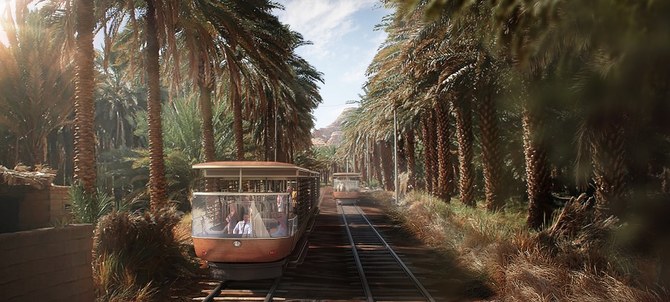
“We are well into executing phase one. This includes the upgrade of the airport, which has been completed. We will start our low-carbon tram development infrastructure as well. And, so far, our visitor experience centers in the heritage and nature site are being upgraded,” said Amr AlMadani, CEO of the Royal Commission for AlUla (RCU), the entity set up by the Saudi Ministry of Finance in July 2017 to manage the development of the site.
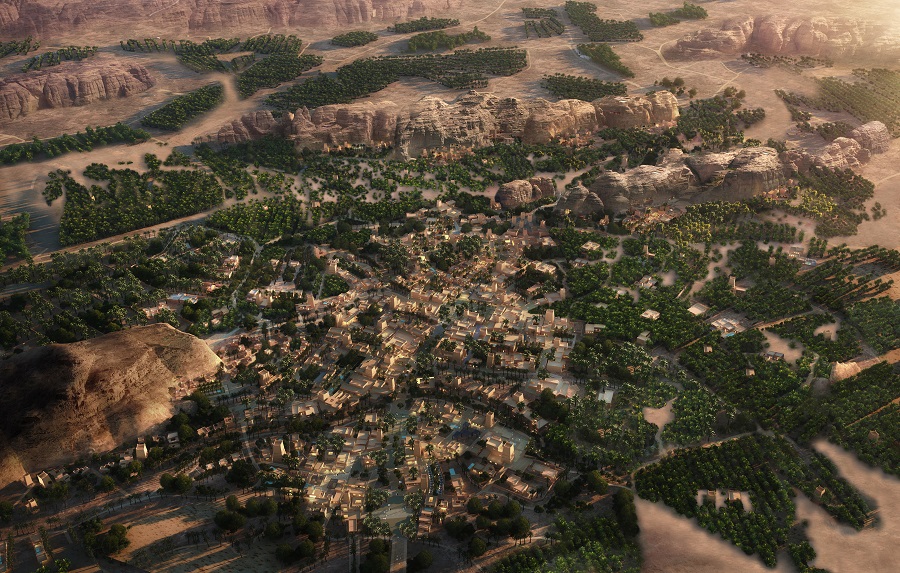
Around $2 billion has already been invested in the project and $3.2 billion is set to be spent on priority infrastructure. This will include the first 22 kilometers of a 46-kilometer low-carbon tramway system, the development of a renewable energy network, and the upgrading of the water supply system and wastewater treatment plant.
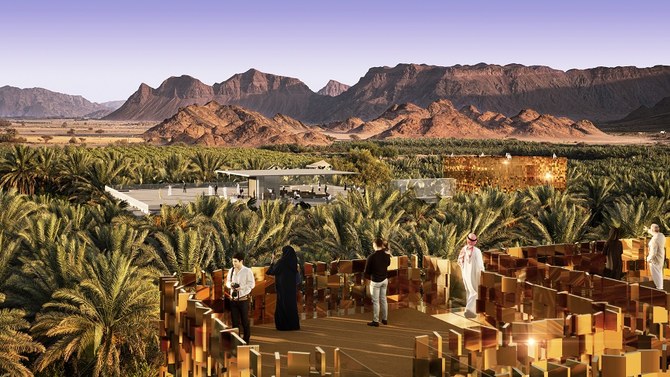
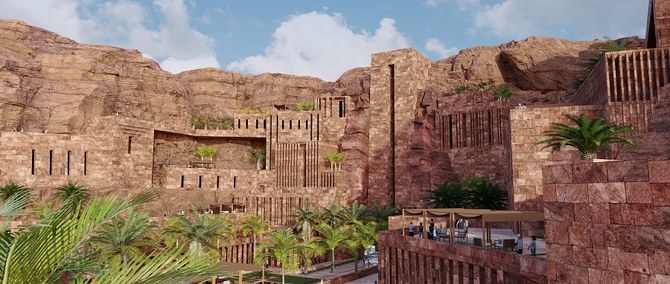
The full $15 billion AlUla masterplan will be developed in three phases in 2023, 2030, and 2035. Located 1,100 kilometers from Riyadh, AlUla consists of 22,561 square kilometers of lush oasis valleys, sandstone mountains, and ancient cultural heritage sites, including Hegra, Saudi Arabia’s first UNESCO World Heritage Site.
A 52-hectare ancient city, Hegra was the principal southern city of the Nabataean kingdom and is comprised of nearly 100 tombs with elaborate facades cut into the sandstone.
#LISTEN: @RCU_SA chief @AmrAlMadani highlights the opportunities – for Saudi residents, the economy, as well as tourists – of the #AlUla masterplan https://t.co/bD9dCnYXP4 pic.twitter.com/7CBX14Vz7U
— Arab News (@arabnews) April 28, 2021
The “Journey Through Time Masterplan” was recently announced by Crown Prince Mohammed bin Salman. Upon completion in 2035, the development project aims to create 38,000 new jobs, attract 2 million visitors a year, expand the population of the area to 130,000, and contribute $32 billion to the Kingdom’s economy.
“We’re in the market. We are already actively engaged with multiple investing firms and fund structures to participate starting today. The business plans for these investments are becoming more viable for investors to look at. This is an interactive journey with investors, and our portal online invites all investors to register and seek to engage today,” added AlMadani.
One of the first opportunities for private participation in the project is in the hospitality sector. The site will have 9,400 hotel rooms when complete, with work on the first resorts set to start in October.
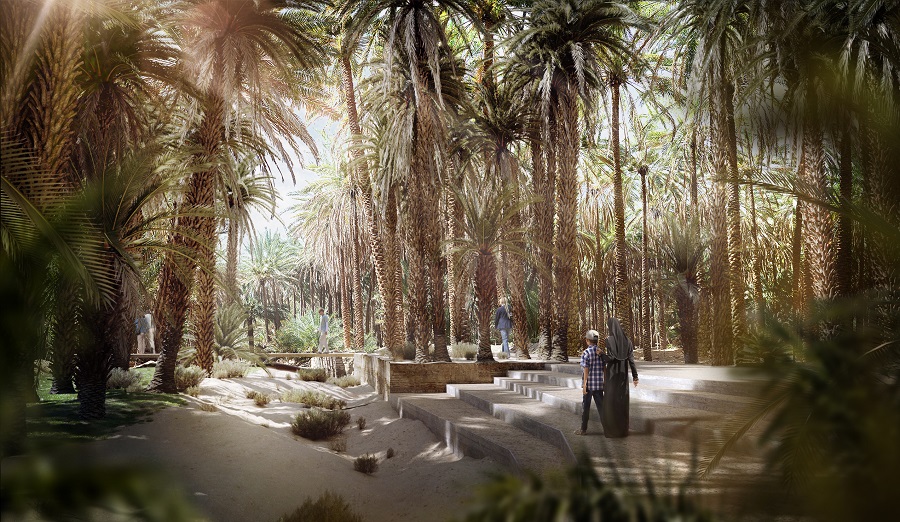
“A key item for the private sector to participate in, we expect that the rollout requires around 1,000 resort keys (in phase one) for the anticipated travel numbers.
“We have invested in 200 (hotel rooms) that will hit the market this year. Currently, the private sector has already participated in another 150, so huge opportunity,” AlMadani said.
International hospitality brands such as Accor/Banyan Tree, and Habitas have already confirmed their participation, and more are set to be added by the end of this year.
“We are actually in talks with at least two to three unique hotel operators. We can’t actually mention the names without fully reaching content management agreement, but I can assure you that, from the big players, the unique nature resort operators, the interest is amazing.
“At least two of the large hotel chains that have luxury brands fit for AlUla will be announced by end of this year,” the CEO added.
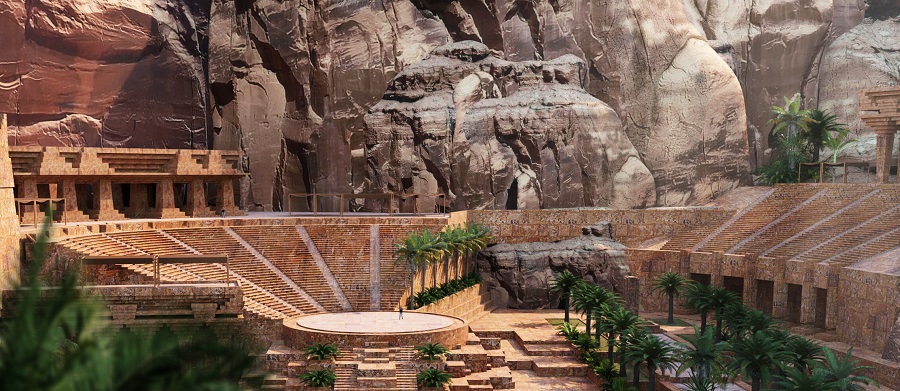
AlMadani said the majority of initial investment interest had so far come from domestic players, but as the project begins to take shape international players were expected to come on board in partnership with local developers and investors.
“I think generally it’s all about credibility of the plans. People want to make sure that there is consistency, the vision is clear, but delivery is the key item as well.
“Definitely the investment appetite is building up quite fast in the local market. Saudi Arabia’s investment capabilities in the private sector aren’t small, and it’s a major player in global investment as well. I think the first ones will be local, but with huge international participation, and soon enough we think international funds will play a role,” he added.
The Kingdoms Institute – AlUla’s global hub for archaeological and conservation research – has conducted extensive excavations at the site and this week announced significant archaeological discoveries. The team has discovered more than 1,000 mustatils which were previously unknown. Mustatils, which means rectangular in Arabic, are ancient stone-walled structures.
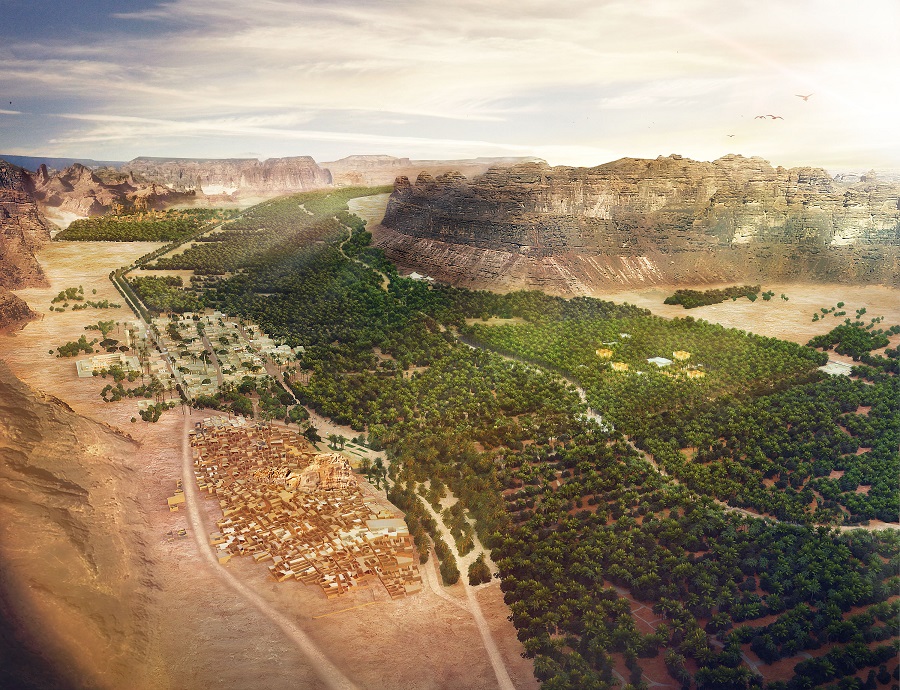
Mustatil research is a priority for the RCU and the process of uncovering them is currently the focus for a Discovery Channel documentary series. The parallel processes of excavation and commercial development at the ancient site could be challenging, but AlMadani noted that it was one of the most exciting elements of working on the project.
“Having to realize the potential of this amazing cultural landscape, bringing it out to the world as a living museum, while ensuring that we give residents new economic opportunities and travelers unique experiences, having this all come together in an integrated manner is actually the challenge that we are today enjoying, celebrating and sharing the masterplan with the world,” he said.
“It’s about developing correctly, having to break the stigma that development comes at the price of nature. How can we make sure development is actually complementary and is a plus? It’s a plus to the place that we are developing.
“This is what we are excited about, to issue to the world a new model for sustainable development that respects culture, heritage, and the people of the land.”


