

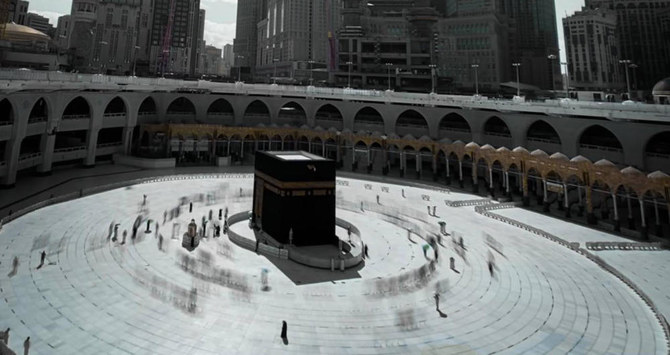

MAKKAH: Saudi photographer Faisal Al-Thaqafi was unaware that his unique pictures of the Grand Mosque in Makkah would capture the hearts of Muslims from around the world.
“Taking pictures of the Grand Mosque is one of the most important and beautiful human experiences,” he told Arab News. “It beautifully reflects the morals of Muslims, their solidarity and their involvement with one another.”
Al-Thaqafi noted that the great and boundless efforts made by the Saudi government to offer comfort and facilitate the Muslims’ stay cannot be described.
He pointed out that no picture can capture the noble efforts that are silently exerted to serve all Muslims: “It rather does it out of faith in its role as the qibla, or the direction to which Muslims face during prayer, and the comforter of their hearts,” he said.
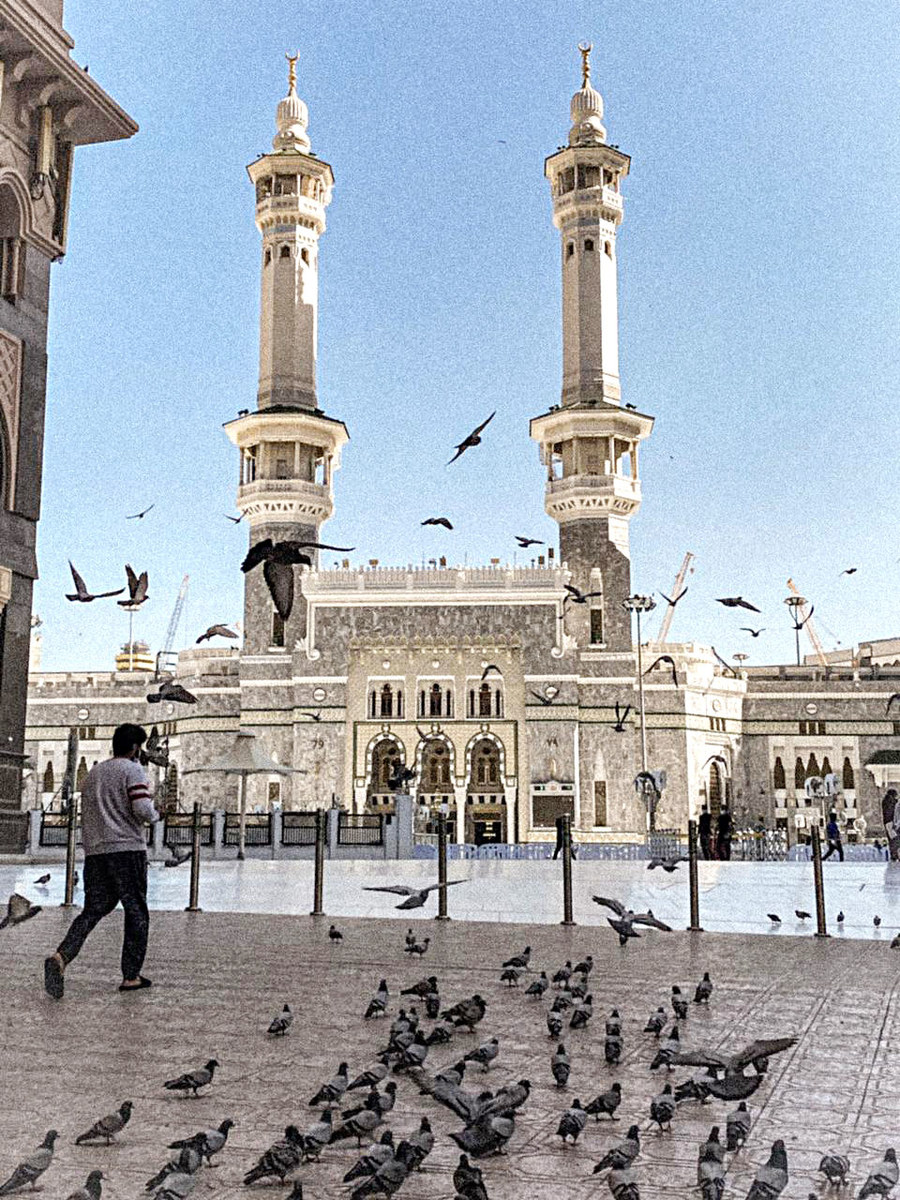
The closest photo he has taken was from the roof of the Holy Kaaba and described the experience as “full of spirituality.”
However, the hardest photo was of the Mataf — area of circulation around the Kaaba — which required going to the farthest possible point.
“I spent a year as a photographer for the General Presidency for the Affairs of the Two Holy Mosques.” he said. “I would be approached by some visitors asking me to send them their photos, dubbing them as the images of a lifetime.”
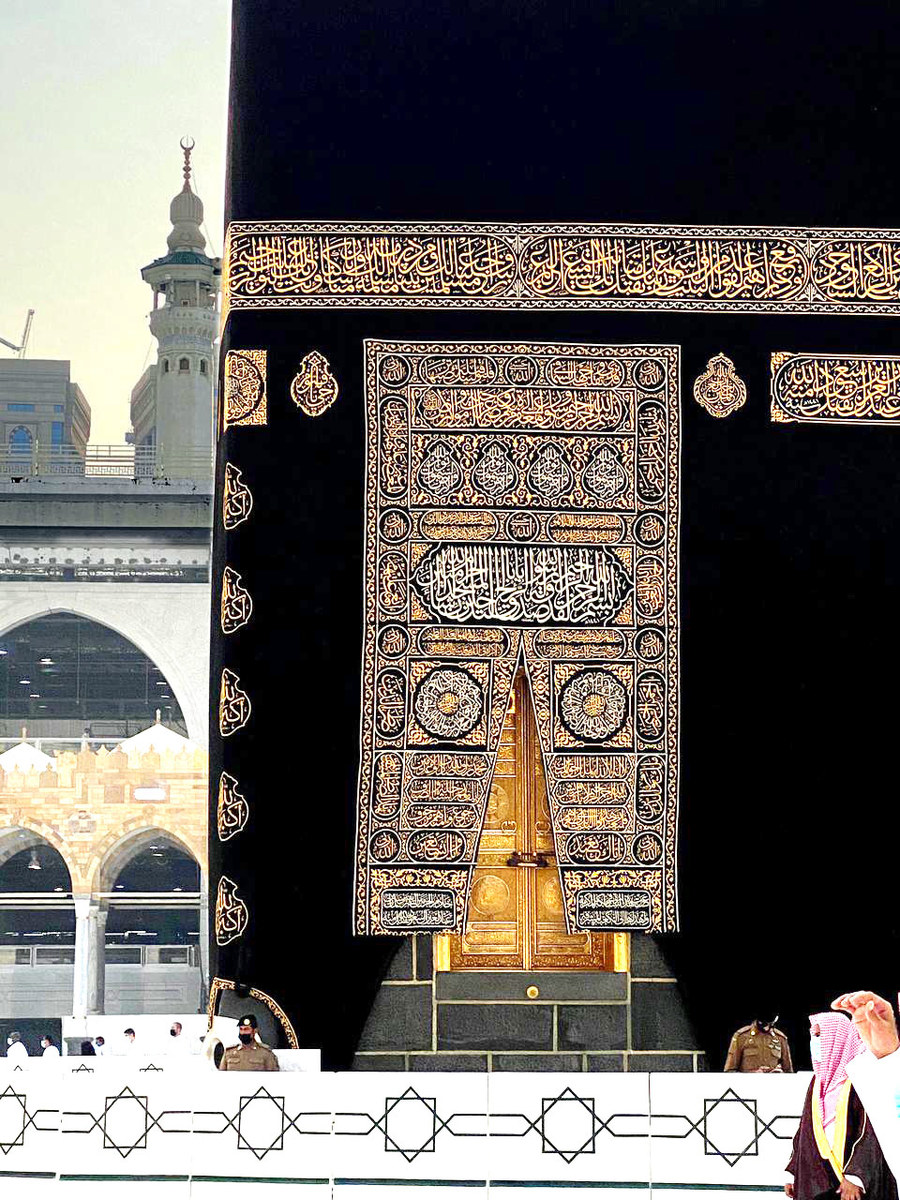
Photographing the Two Holy Mosques is a great honor for Al-Thaqafi, who also has a personal connection to the site. He has a job to do but constantly finds himself becoming immersed in the beauty and comfort of the popular destination.
According to him, millions of Muslims are eagerly waiting for a unique picture of the Two Holy Mosques.
“Documenting the great development known by the country is necessary,” Al-Thaqafi said. “Saudis are honored to always serve pilgrims, considering it as a religious duty that they cannot argue with.”
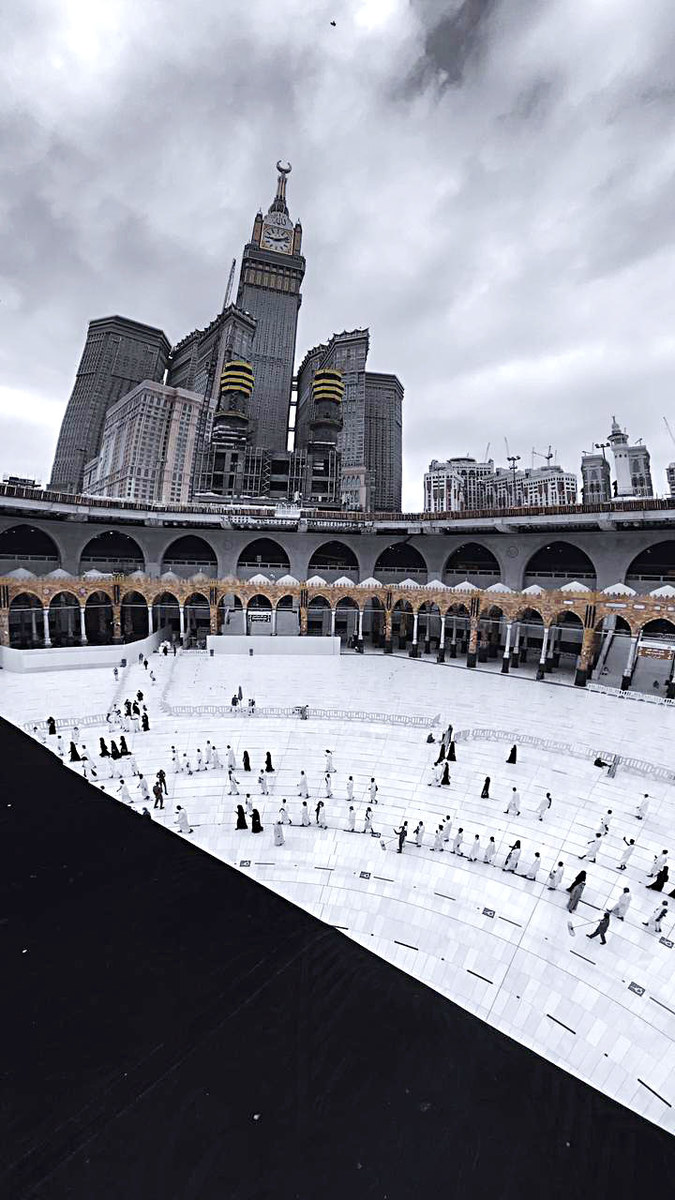
There is no specific time to take the most beautiful picture, he added, stressing that it is always unexpected.
“The Holy Mosque becomes more breathtaking by the hour,” he said. “Seeing expressive scenes that carry artistic connotations provokes any camera or mobile holder. From the Grand Mosque’s bathroom and all the white clothes, to the arrival of worshipers gathering to perform the prayers, and the colors in the women’s veils. These are all drivers for documentation.”
Al-Thaqafi became a professional photographer nearly four years ago and found that photography is a reflection of reality, framing the most beautiful moments that a person seeks to immortalize.
He noted that photography is a painstaking and hard profession that requires self-development, seizing appropriate moments, adjusting imbalances, capturing experiences and portraying them in a professional and ideal manner.
Al-Thaqafi said he will continue taking pictures of the Grand Mosque as he hopes they provide “civilized connotations of the purest and holiest Islamic spot on Earth.”
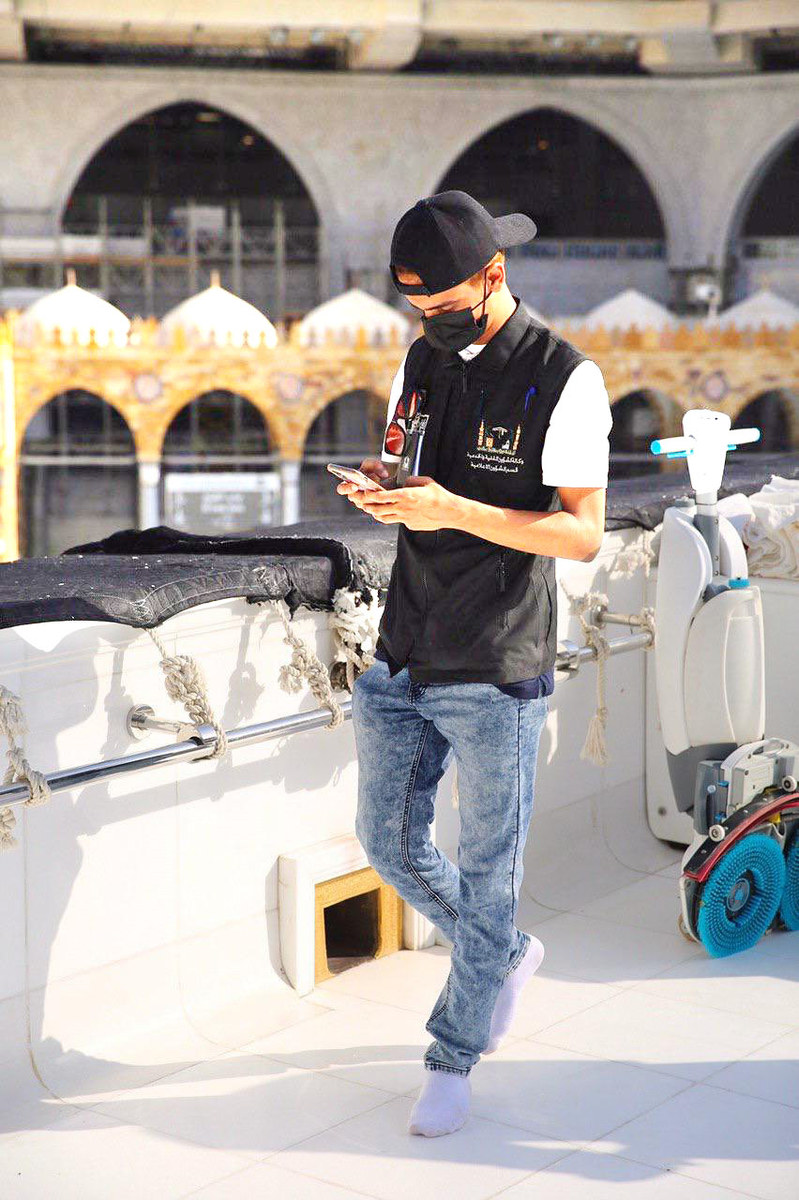
Faisal Al-Thaqafi became a professional photographer nearly four years ago and found that photography is a reflection of reality, framing the most beautiful moments that a person seeks to immortalize. (Supplied)


