




Documentary unveils unknown aspects of Saudi Arabia's AlUla

1 / 31
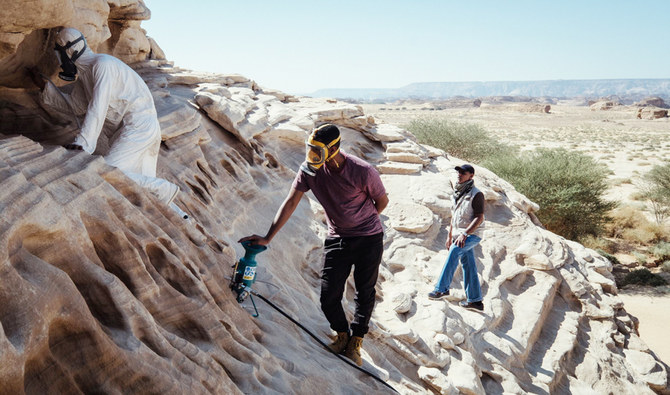
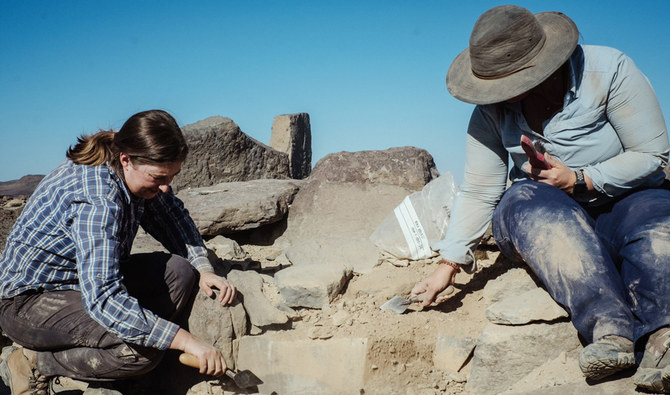
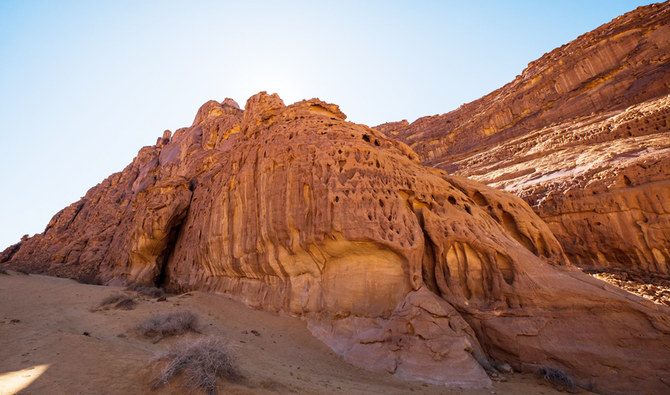
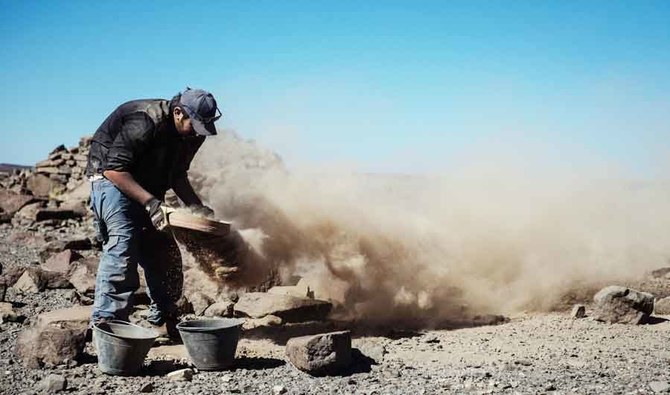
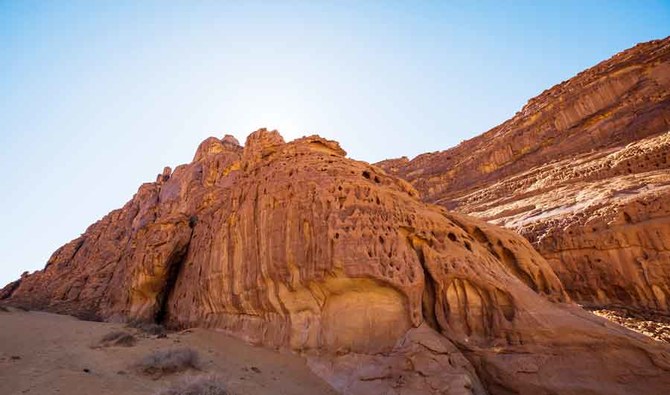
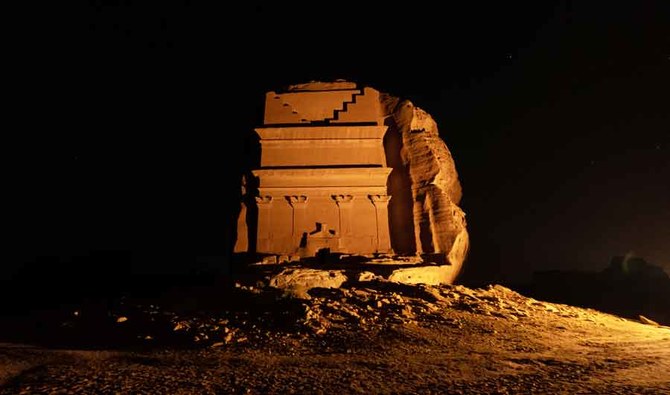
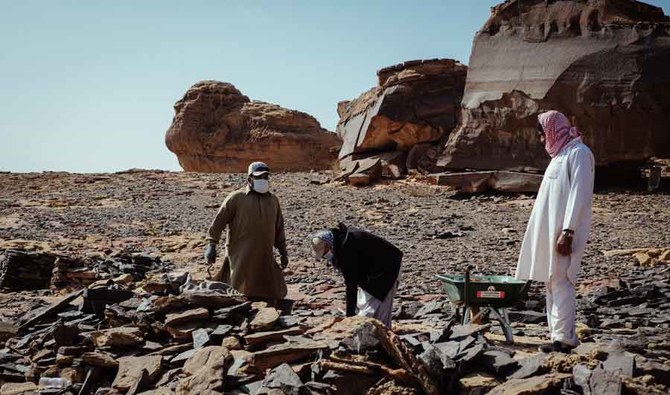
The thousands of mysterious stone constructions built atop of an otherwise barren desert may well hold the missing link to AlUla’s part in a major turning point in the history of mankind. (Photos/Supplied)
2 / 31
The thousands of mysterious stone constructions built atop of an otherwise barren desert may well hold the missing link to AlUla’s part in a major turning point in the history of mankind. (Photos/Supplied)
3 / 31
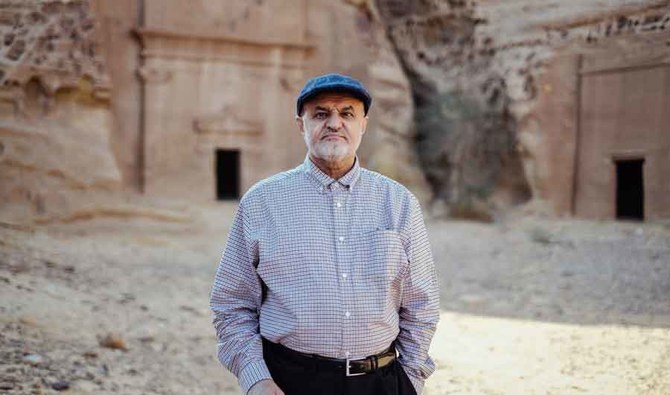
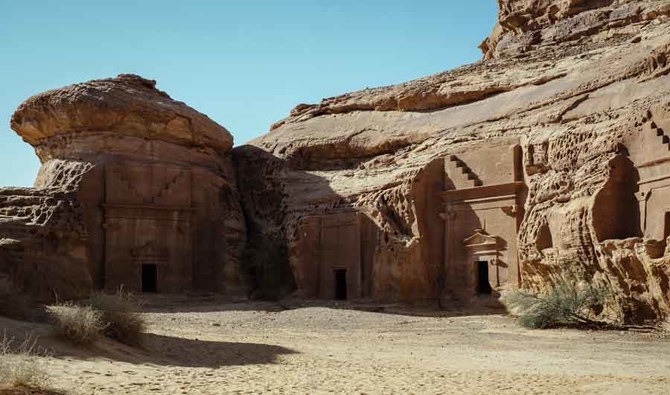
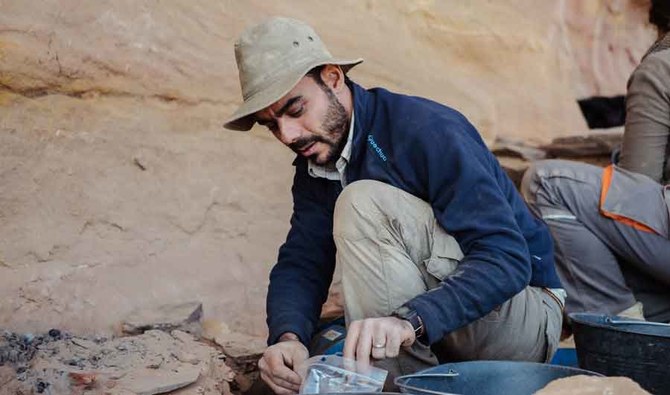
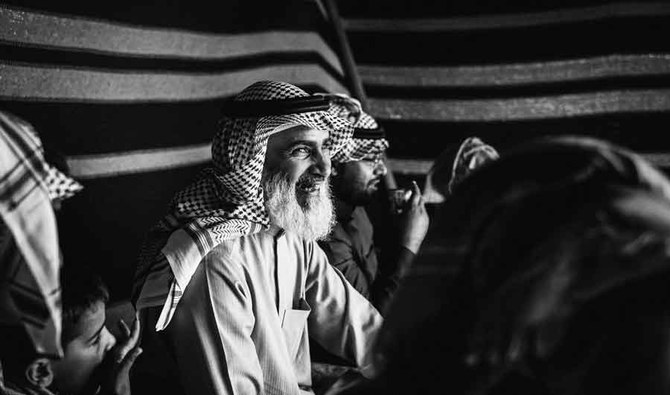
Dr. Solaiman Altheeb in Hegra. (Supplied)
4 / 31
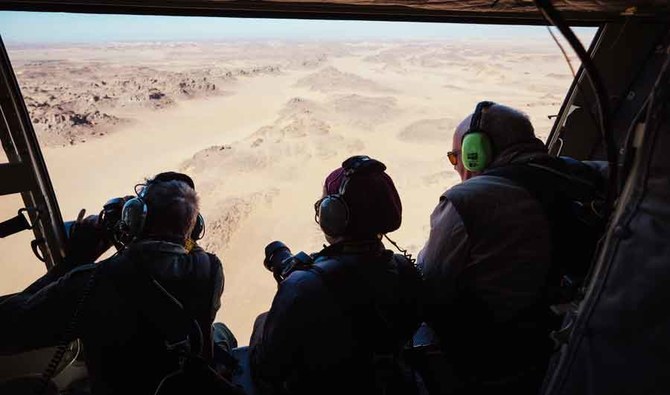
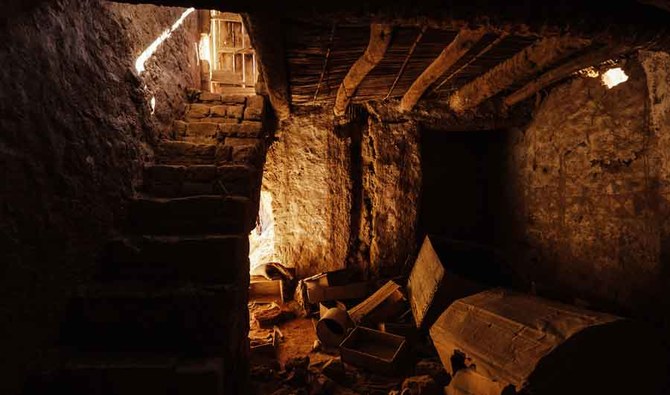
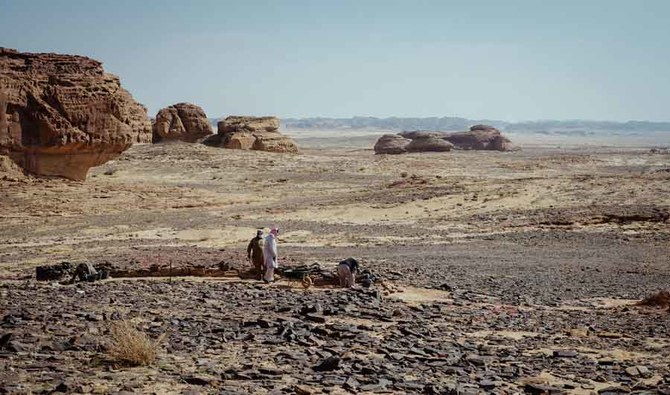
The thousands of mysterious stone constructions built atop of an otherwise barren desert may well hold the missing link to AlUla’s part in a major turning point in the history of mankind. (Photos/Supplied)
5 / 31
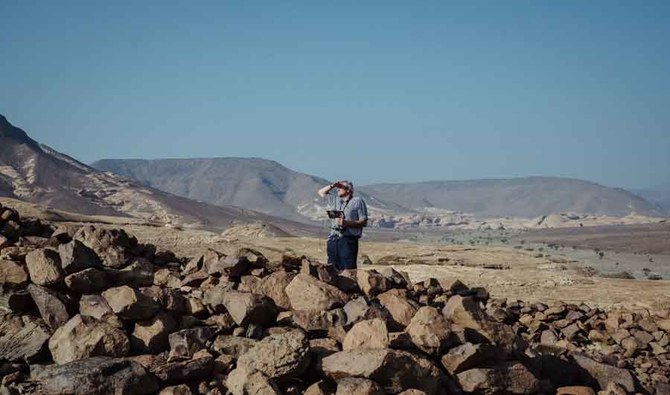
Geologist Don Boyer. (Supplied)
6 / 31
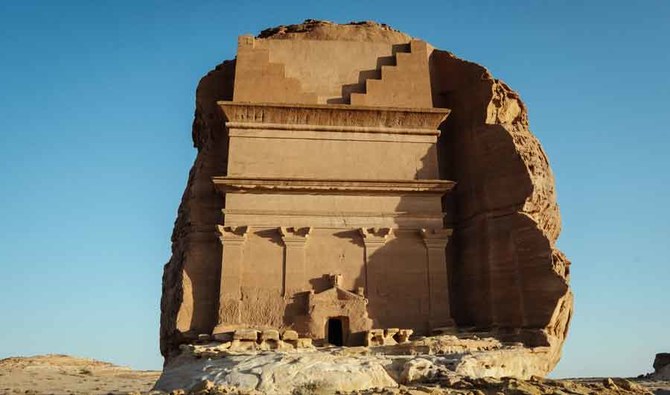
The thousands of mysterious stone constructions built atop of an otherwise barren desert may well hold the missing link to AlUla’s part in a major turning point in the history of mankind. (Photos/Supplied)
7 / 31
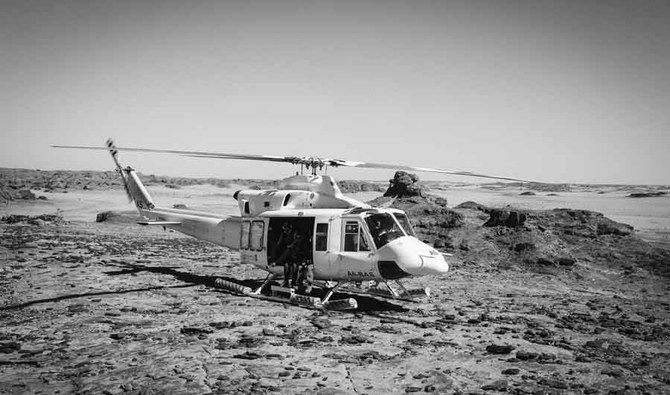
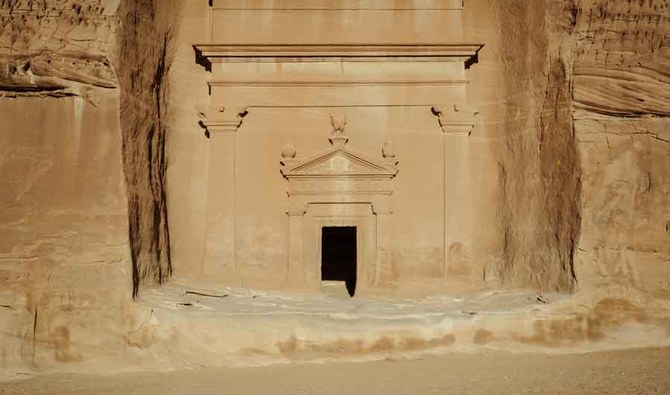
The thousands of mysterious stone constructions built atop of an otherwise barren desert may well hold the missing link to AlUla’s part in a major turning point in the history of mankind. (Photos/Supplied)
8 / 31
9 / 31
10 / 31
11 / 31
12 / 31
13 / 31
14 / 31
15 / 31
16 / 31
17 / 31
18 / 31
19 / 31
20 / 31
21 / 31
22 / 31
23 / 31
24 / 31
25 / 31
26 / 31
27 / 31
28 / 31
29 / 31
30 / 31
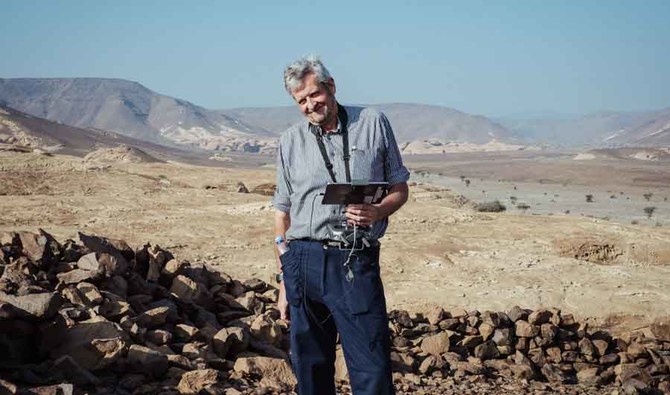
Jamie Quartermaine, UK Archaeologist in AlUla. (Supplied)
31 / 31
Rebecca Foote, Director of Archaeology, Culture, Heritage Research. (Supplied)
Short Url
Updated 23 March 2021
Follow

Documentary unveils unknown aspects of Saudi Arabia's AlUla

  • AlUla is a largely unknown oasis valley, once a prosperous and important crossroad on the incense route and home to 3,000 years of powerful successive civilizations

ALULA: AlUla is undoubtedly the centerpiece of Saudi Arabia’s tourism strategy. The valley continues to hold ancient mysterious.
The remains of the stone structures are a testimony to human strength and audacity. Despite the passage of centuries, the grandeur of these heritage sites can rival any modern structure in the world.
The Saudi government is taking special measures for the preservation of the ancient sites strewn all across the Kingdom and AlUla is one of them.
In an attempt to highlight the importance of AlUla, the Discovery Channel has produced new one-off documentary “The Architects of Ancient Arabia.”
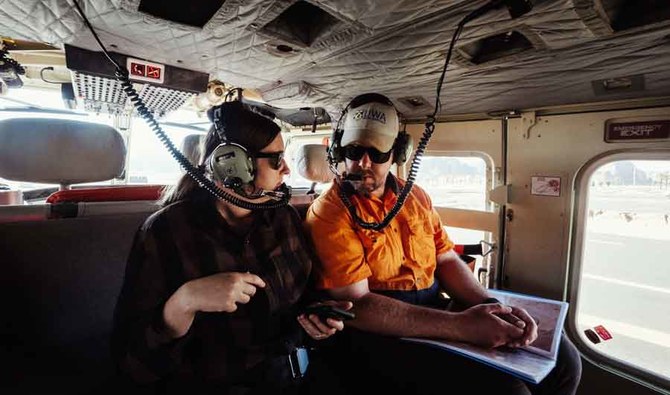
Narrated by award-winning actor Jeremy Irons, the documentary journeys into the Arabian Peninsula’s deeper past, following teams of leading international and Saudi archaeologists and a local historian as they reveal new wonders in the previously unexplored land.
Using multiple modern technologies to record tens of thousands of sites, experts choose some to explore in greater detail, to begin piecing together a new chapter in the story of human civilization.
AlUla is a largely unknown oasis valley, once a prosperous and important crossroad on the incense route and home to 3,000 years of powerful successive civilizations.
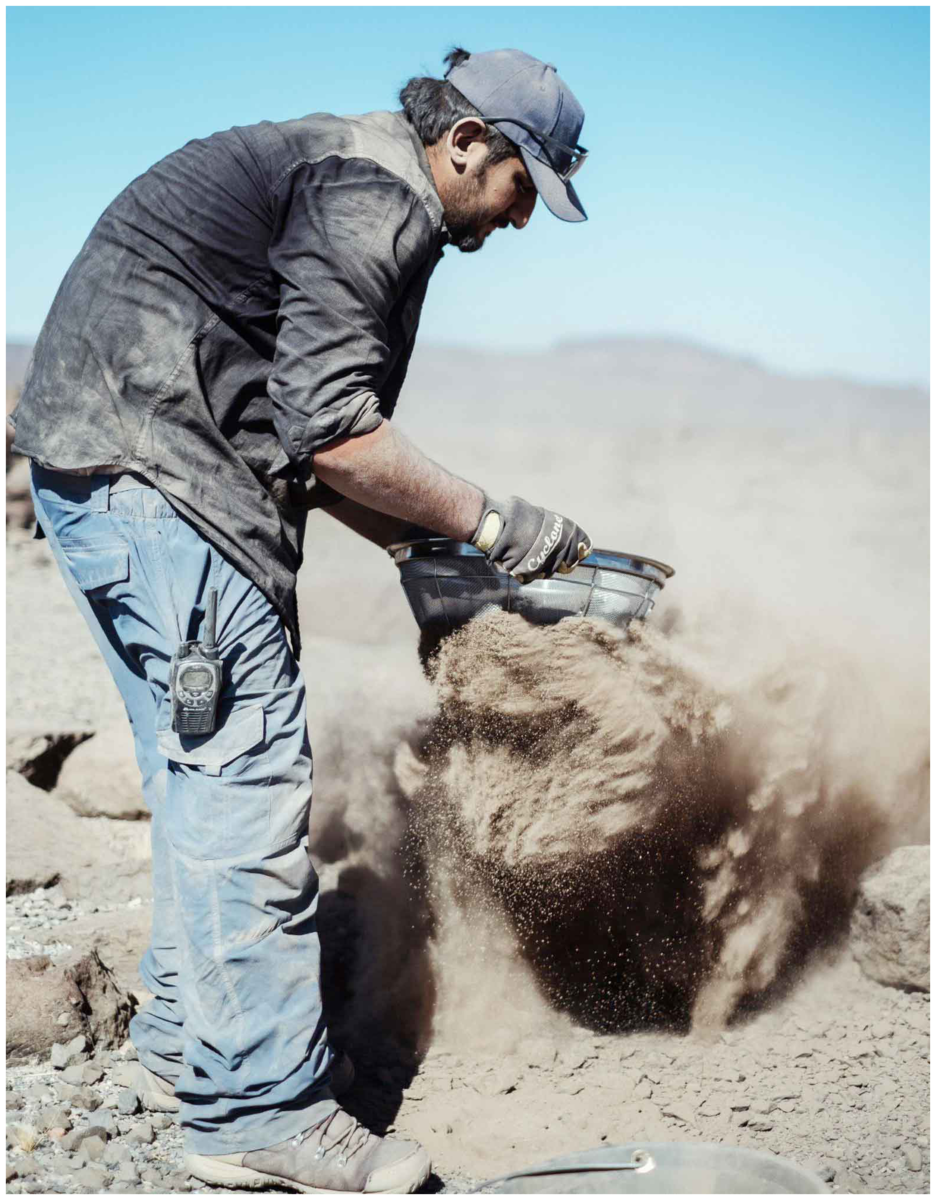
Some of the most important survey and excavation work in modern history have been taking place in the region.
Teams of experts are seeking to decipher the activities associated with ancient stone structures they are excavating across the area surrounding the AlUla.
In the documentary, the archaeologists unearth evidence for an ancient ritual, completely unexpected and extraordinary.

HIGHLIGHTS

• The documentary was made by the Discovery Channel in association with the Royal Commission for AlUla (RCU). It was produced by Powderhouse Productions.

• It reveals startling new discoveries, which reset the timeline for the emergence of complex societies.

The documentary was made by the Discovery Channel in association with the Royal Commission for AlUla (RCU). It was produced by Powderhouse Productions.
Robert Kirwan, executive producer and editor of the documentary, said: “The weeks we spent in AlUla filming alongside the archaeological team were a life-altering experience for me and the rest of the crew. The startlingly spectacular landscape is like nothing I have ever seen. And the stone structures, literally thousands of them dotting the area, have sat untouched for thousands of years. We were walking among the ghosts of unknown ancients, and we could feel their presence, their yearning, to have their story told.”
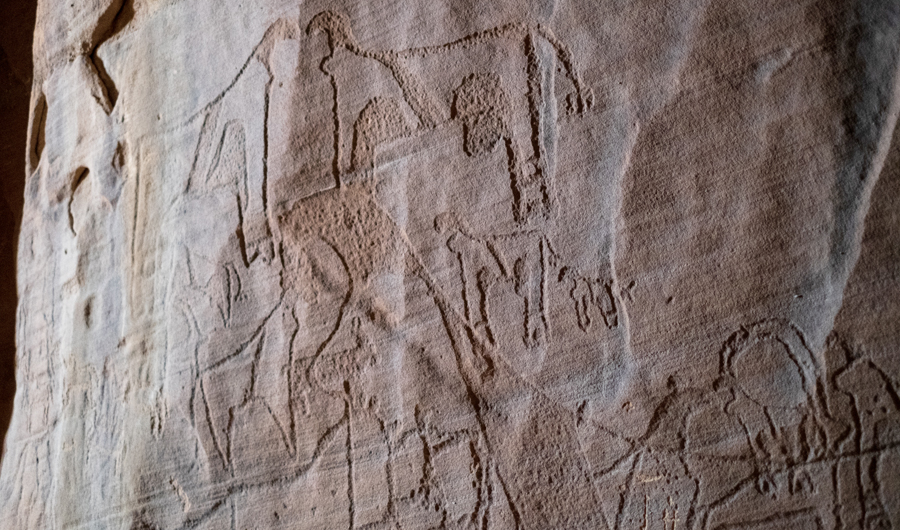
The documentary reveals startling new discoveries, which reset the timeline for the emergence of complex societies. The thousands of mysterious stone constructions built atop of an otherwise barren desert may well hold the missing link to AlUla’s part in a major turning point in the history of mankind.
These discoveries have been the source of great interest from the archaeology community globally and will be unpacked in much more detail over the coming months in the form of published peer-reviewed articles and papers that will change the current understanding of the significance of the Arabian Peninsula.
Rebecca Foote, director of archaeology and cultural heritage research at RCU, said: “We already know much about the major sites such as Hegra, but I hope that the team’s work and this documentary begin to fill in gaps in our knowledge in the late prehistoric period, when societies are becoming more complex.”
She added: “Archaeologists are just beginning to reveal the secrets and stories held within the desert of this stunning landscape, there is much more to discover and we’re excited to be able to share our work and this place with the world through this documentary.”
“The Architects of Ancient Arabia” airs on March 31 at 10:40 p.m. on OSN (channel 500).


Human development program helping to expand pathways for Saudi students into elite global universities

Updated 6 sec ago
Follow

Human development program helping to expand pathways for Saudi students into elite global universities

  • HCDP takes a comprehensive approach, supporting citizens throughout their lives from early childhood education through to lifelong learning

DAVOS: Saudi Arabia is accelerating efforts to equip its young population with the skills and global exposure needed to compete on the world stage, as part of the Kingdom’s Vision 2030 agenda, the CEO of the Human Capability Development Program told Arab News.

Speaking on the sidelines of the World Economic Forum in Davos, Anas Al-Mudaifer said the program, one of Vision 2030’s realization initiatives, is enhancing the competitiveness of Saudi citizens by investing in their skills, knowledge and long-term development.

“Our mandate is to improve and enhance the competitiveness of the Saudi citizen,” he said. “We want to make sure they have the opportunity to compete locally and globally,” he added.

The HCDP takes a comprehensive approach, supporting citizens throughout their lives from early childhood education through to lifelong learning, while aligning education and training with the evolving needs of the labor market, he said.

Al-Mudaifer added that reforms are underway across the education system, including expanded access to early childhood education, new school curricula and teaching methods, and stronger alignment between higher education, vocational training and future labor market demands.

A key pillar of the strategy is preparing Saudi youth for global competition, a push that is already delivering tangible results.

“We have seen Saudis competing in admission to Ivy League schools,” he said. “More than 1,000 Saudi students are now enrolled in top 30 universities every year.”

He added that Saudi Arabia now ranks as the second-largest source of international students at the Massachusetts Institute of Technology, behind only China, a milestone he described as “a great achievement and a great footstep for Saudi students.”

Beyond academia, Saudi graduates are increasingly securing roles in leading international institutions and companies. Al-Mudaifer pointed to Saudi professionals working in prestigious US hospitals such as the Mayo Clinic and Cleveland Clinic, as well as global technology firms including Tesla and Meta.

To support continuous upskilling, the program is also investing heavily in lifelong learning. More than 2 million Saudi citizens now receive training each year, both domestically and overseas, as rapid technological change reshapes the global labor market.

“With the emergence of intelligent technologies, especially artificial intelligence, we need to make sure the Saudi workforce is always up to date with the requirements of local and global employers,” he said.

Among recent initiatives is the launch of a platform which offers short, six-to seven-week micro and nano degrees in fields relevant to the Saudi labor market.

The courses are accredited by employers and international training bodies, providing fast-track pathways into employment.

Entrepreneurship is another priority area, particularly in technology. In partnership with the Ministry of Communications and Information Technology, the program has launched initiatives that send Saudi tech founders to global innovation hubs such as Silicon Valley and Berlin for intensive boot camps and growth programs.

Al-Mudaifer said that Saudi Arabia’s progress is rooted in global collaboration rather than isolation.

“There is no leader alone,” he added, highlighting that the Kingdom works closely with international partners and convenes global experts annually at the Human Capability Initiative Conference in Riyadh to shape the future of human development.