JEDDAH: Libya’s parliament will hold a crucial vote for a new government on Tuesday in the first reunited session of parliament in years, hailed by the UN as “historic.”
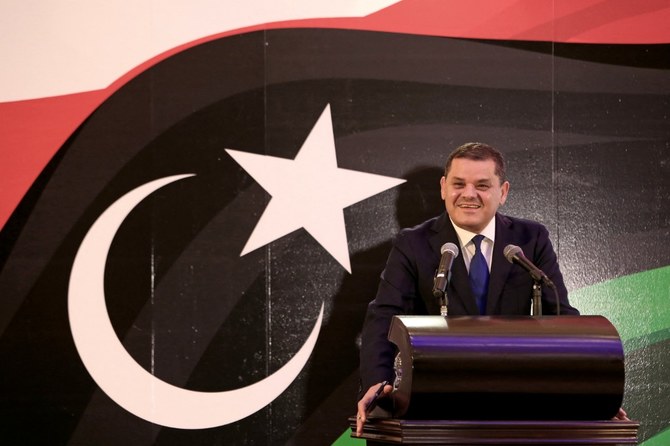
The vote on interim Prime Minister Abdul Hamid Dbeibah’s administration by 132 members of the 188-strong House of Representatives is a crucial step toward December elections and stability after a decade of violence.
Libya descended into chaos after dictator Muammar Qaddafi was toppled and killed in a 2011 NATO-backed uprising.
A UN-supervised process aims to unite the country after an October cease-fire between forces loyal to two rival administrations in the the east and west, each backed by foreign powers.
The historic parliamentary session in Sirte began on Monday.
The UN mission in Libya praised the “convening of a reunified session after many years of divisions and paralysis.” It added: “This is a critical step in unifying the country and preparing it to hold democratic national elections. This opportunity to open a new chapter for Libya should not be missed.”
After three hours of debate, parliament called for a new session on Tuesday to give Dbeibah a chance to respond to questions.
Dbeibah was selected in February at UN-sponsored talks attended by a cross section of Libyans to steer the country toward the Dec. 24 polls.
His interim government faces the challenge of addressing issues from a dire economic crisis and soaring unemployment to crippling inflation and poor public services.
Dbeibah, who urged parliament in a televised speech to confirm his government, has until March 19 to win approval for his Cabinet.


![]()

New Libyan parliament to hold vote on Cabinet
Short Url
https://arab.news/vt6va
New Libyan parliament to hold vote on Cabinet
- Prime minister-designate Abdul Hamid Dbeibah was elected in February at a UN-sponsored dialogue
- Libya was thrown into years of violent turmoil after a 2011 NATO-backed uprising toppled and led to the killing of long-time dictator Muammar Qaddafi


Latest updates


© 2026 SAUDI RESEARCH & PUBLISHING COMPANY, All Rights Reserved And subject to Terms of Use Agreement.