BEIRUT: Authorities in Lebanon on Thursday extended a nationwide lockdown by a week, to Feb. 8, amid a steep rise in coronavirus deaths and infections that has overwhelmed the health care system.
Despite increasing the number of hospital beds in the country of nearly 6 million, doctors and nurses have struggled to keep pace with patients flooding their facilities. Intensive care unit bed occupancy has been rising, hitting 91% late Wednesday, according to the World Health Organization.
Registered daily infections have hovered around 5,000 since the holiday season, up from nearly 1,000 in November. The overall death toll has surpassed 2,000, with new fatalities numbering between 40 and 60 deaths a day in the past week.
Doctors say with increased testing, the number of confirmed infections has also increased, recording a positivity rate of over 20% for every 100 tests. Nurses and doctors are overwhelmed, and more than 2,300 health care workers have been infected since February.
Lebanon has yet to carry out any vaccinations. The government finalized a deal with Pfizer last week for vaccines that will arrive in early February. The World Bank said Thursday it approved $34 million to help pay for vaccines for Lebanon that will inoculate over 2 million people.
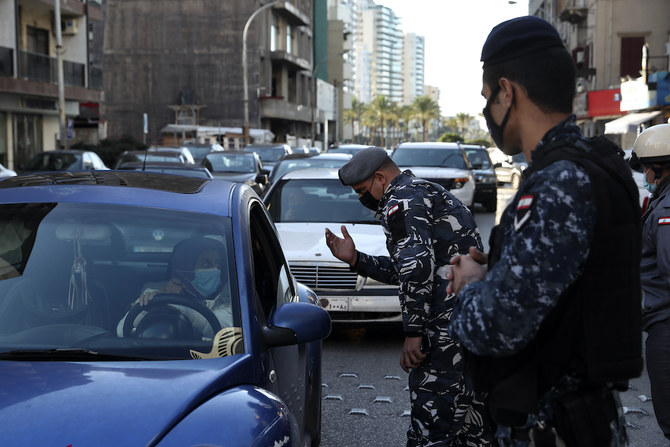
The steep rise in infections and deaths comes despite the strict lockdown in place since Jan. 14. On Thursday, the government decided to extend that lockdown, which was due to expire Feb. 1, by a week.
The government vowed to re-examine some exemptions amid an outcry from industrialists and businessmen about the impact of closures on the economy.
The health committee consulting with the government on the national plan had recommended a two-week extension of the lockdown.
“Lifting or easing the lockdown at this time will surely lead to a collapse of the health system and result in more deaths. This is unacceptable and unconscionable,” tweeted Dr. Firass Abiad, head of the public hospital leading the fight against the pandemic.
Before the pandemic hit last year, Lebanon was already experiencing a crippling economic and financial crisis that had sparked protests, bank closures and restrictions on capital movement amid a deep foreign currency crunch.
The crisis, coupled with coronavirus restrictions, has sent nearly half of the population into poverty, increased unemployment and forced many businesses to shut or leave the country.
During the holidays, the government eased some restrictions in place hoping to give the economy a boost. Many blame that brief relaxation of measures for the steep rise in infections.


![]()

Lebanon extends lockdown into February as virus numbers rise
Short Url
https://arab.news/2funm
Lebanon extends lockdown into February as virus numbers rise
- A steep rise in coronavirus deaths and infections has overwhelmed the health care system
- Increased testing has also led to the increase in number of confirmed infections


Latest updates




© 2026 SAUDI RESEARCH & PUBLISHING COMPANY, All Rights Reserved And subject to Terms of Use Agreement.