Pakistani archaeologists find evidence of Sindh settlements that predate 8th century Arab rulers

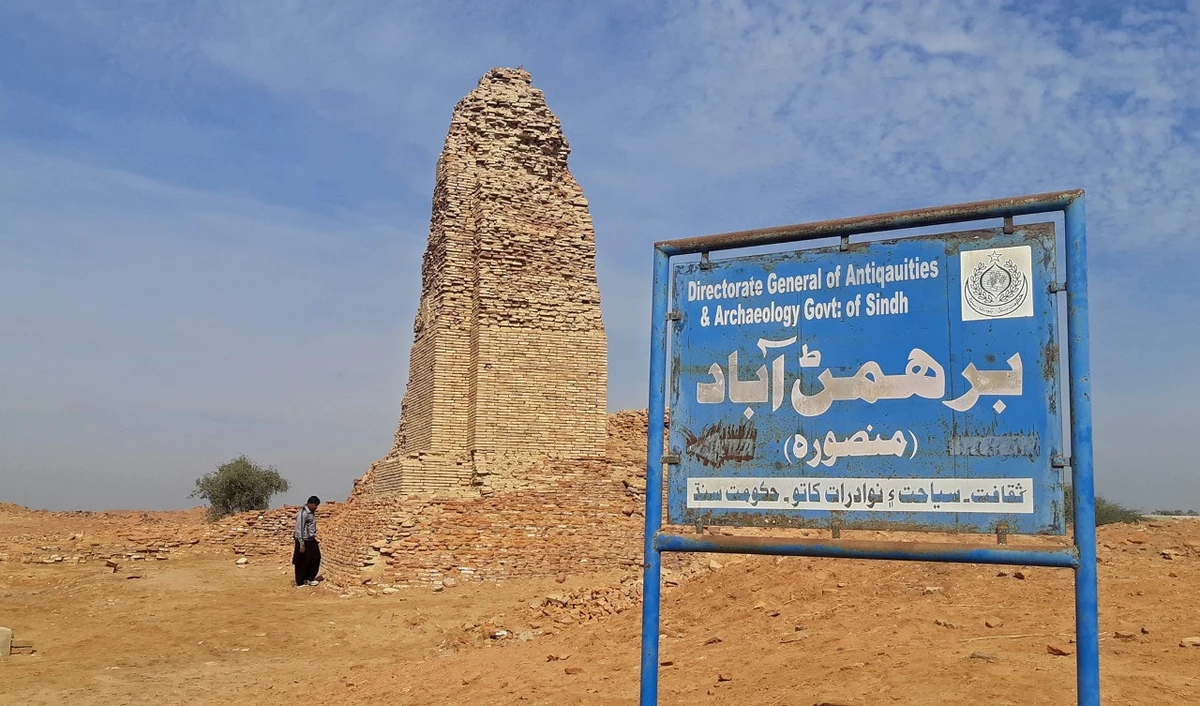
A signboard and a watchtower located at an archeological site at Brahmanabad in Sindh’s Sanghar district, Pakistan, on January 14, 2021. (AN photo by Zulfiqar Kunbhar)
Short Url
Updated 15 January 2021
Follow

Pakistani archaeologists find evidence of Sindh settlements that predate 8th century Arab rulers

  • Researchers say people lived in Brahmanabad in the third century, area was previously believed to have been settled by Muhammand Bin Qasim
  • Team of 20 archeologists started excavation work in December and completed it this week as a joint project by the Sindh culture department and Shah Abdul Latif University

SANGHAR: New research by the department of archeology at Shah Abdul Latif University has found traces of a third-century settlement in Brahmanabad in Pakistan’s southern Sindh province, an area previously believed to have been settled in the eighth century by Arab ruler Muhammand Bin Qasim.

A team of around 20 archaeologists started excavation on the site in December under the supervision of Dr. Ghulam Muhiuddin Veesar as part of a joint project of the Sindh culture department and Shah Abdul Latif University in Khairpur.
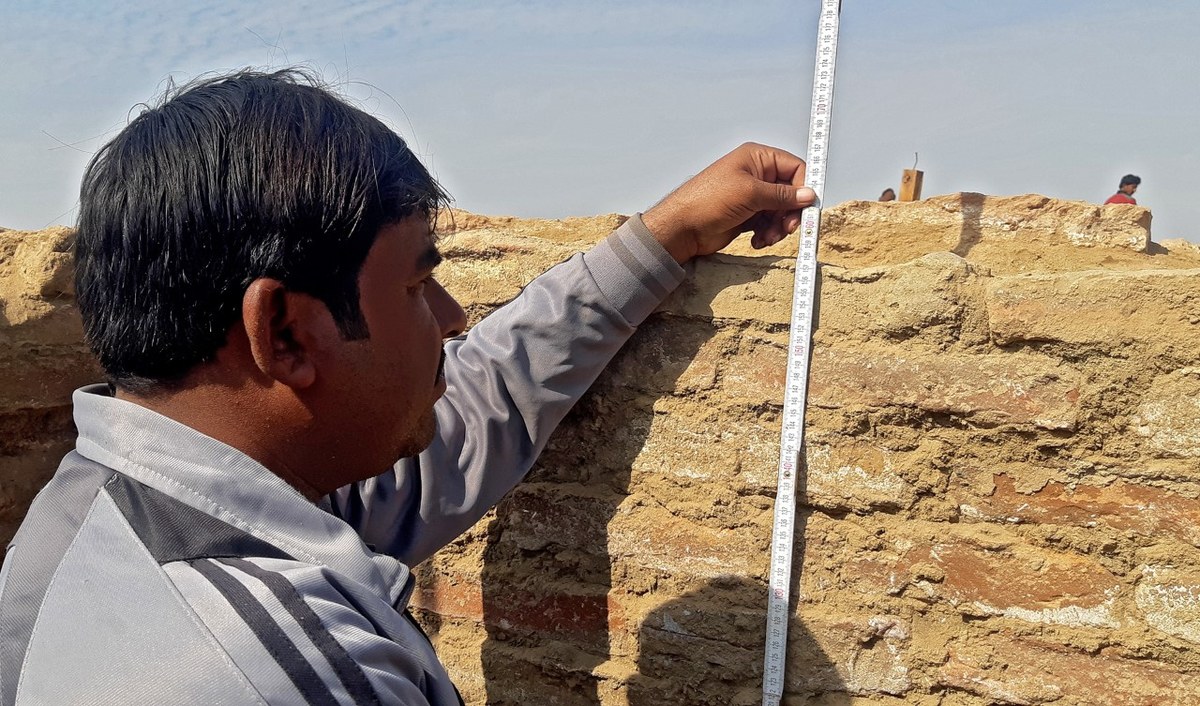


A member of an archeological team in Brahmanabad, Sindh, Pakistan, on January 14, 2021. (AN photo by Zulfiqar Kunbhar)

Brahmanabad was the historic capital of the Muslim Caliphate in Sindh during the eighth century, under the Umayyad Caliphate and then the Abbasid Caliphate, from the year 750 AD to 1006 AD.
“Through material we got, we can say that this settlement of Brahmanabad also existed in the third century AD and people lived here, proving that the settlement is of a pre-Islamic era,” Veesar told Arab News.
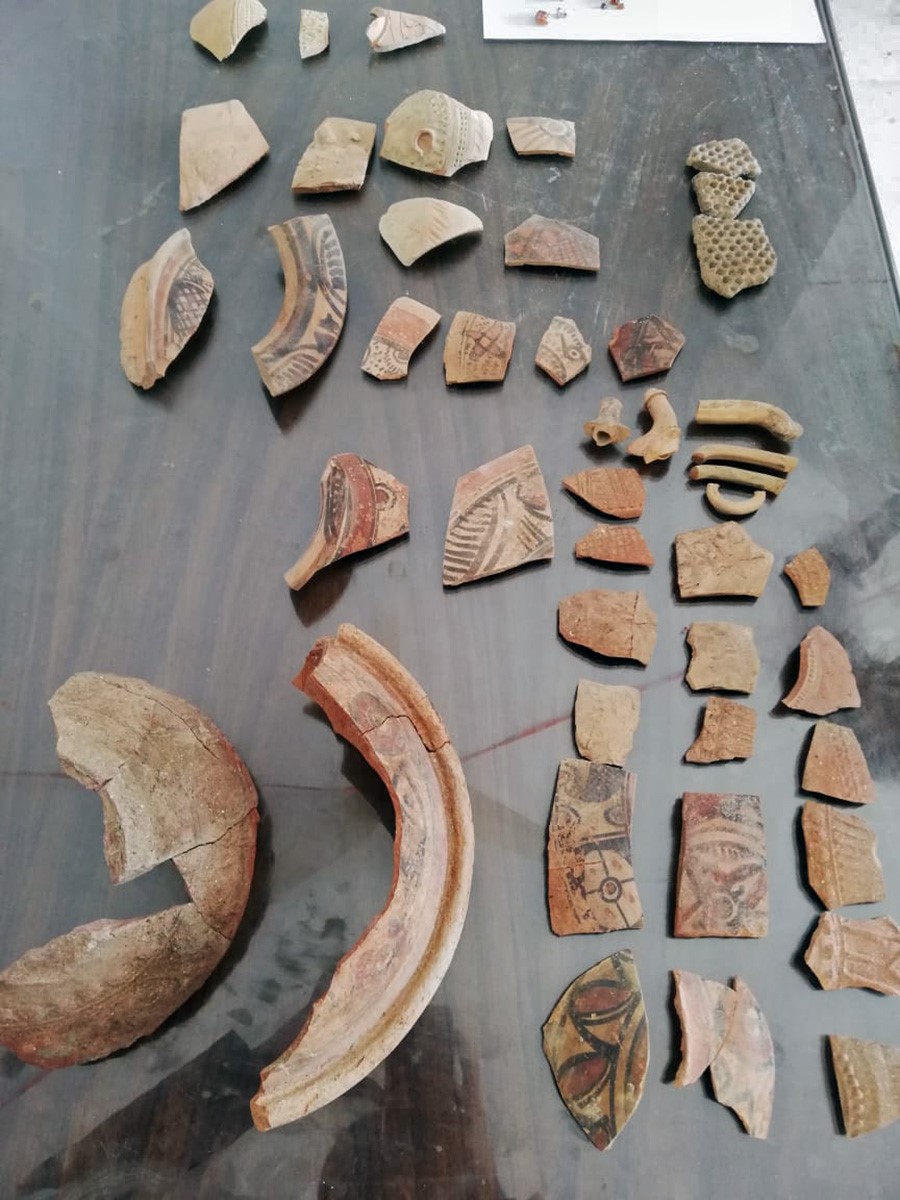
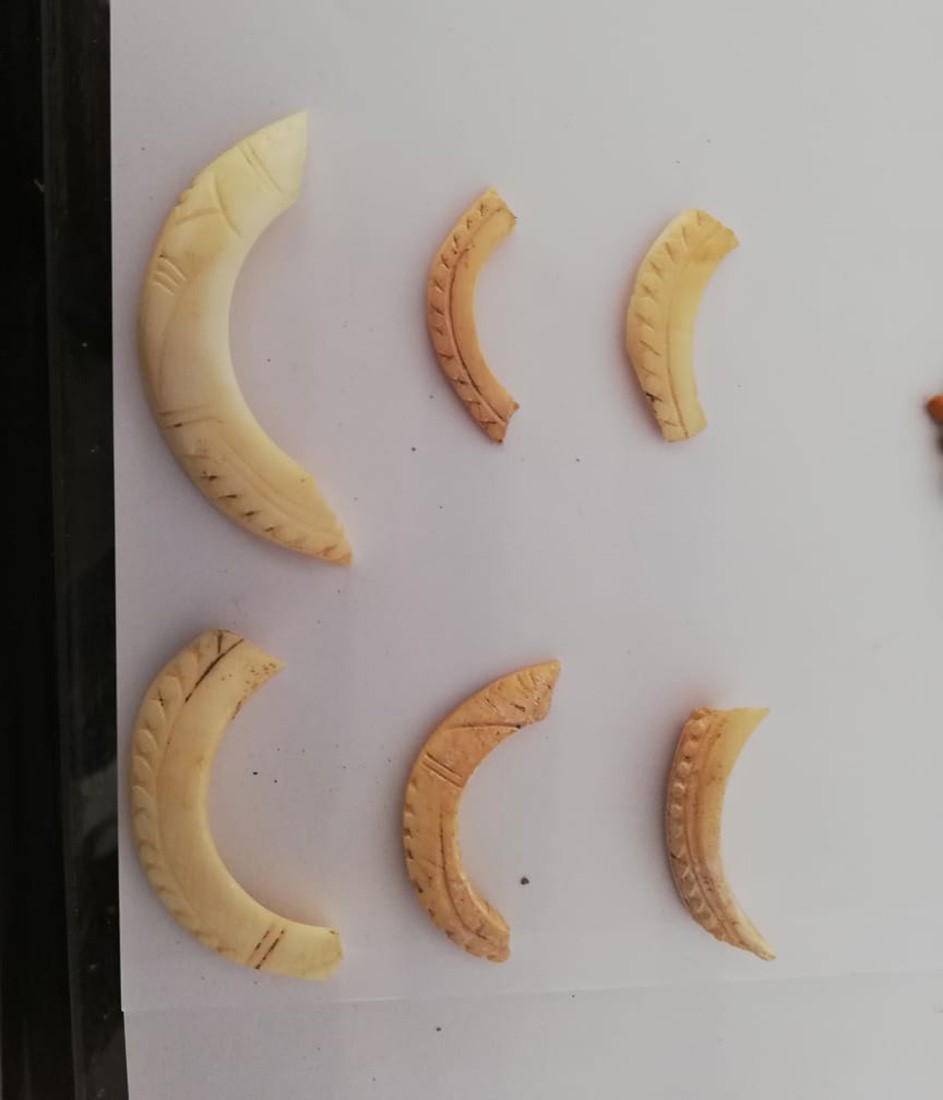


Undated photo of remains found during excavation of an archeological site of Brahmanabad in Sindh’s Sanghar district, Pakistan. (Photo Courtesy: Dr Ghulam Mohiuddin Veesar)


Undated photo of remains found during excavation of an archeological site of Brahmanabad in Sindh’s Sanghar district, Pakistan. (Photo Courtesy: Dr Ghulam Mohiuddin Veesar)

This is the third such excavation on the archaeological site in the last 180 years. 
The first one took place in 1854 during British rule and the second one was in 1962 by a government of Pakistan team which found relics of a mosque at the site but no signs of pre-Islamic life. Research on Brahmanabad also suggests the city may have been a hub of economic activity. An earlier study had found coins and other artifacts that were moved to the British Museum and Bombay before Pakistan was born out of the Indian partition.
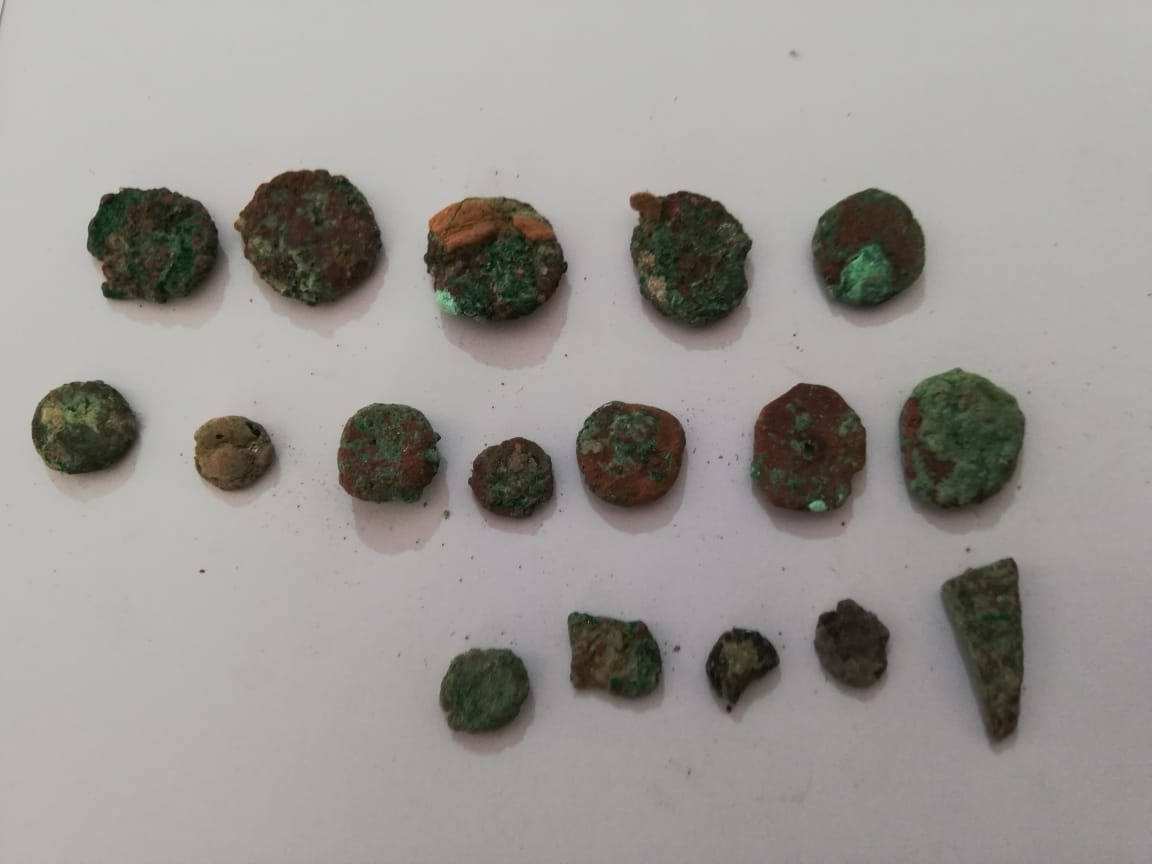
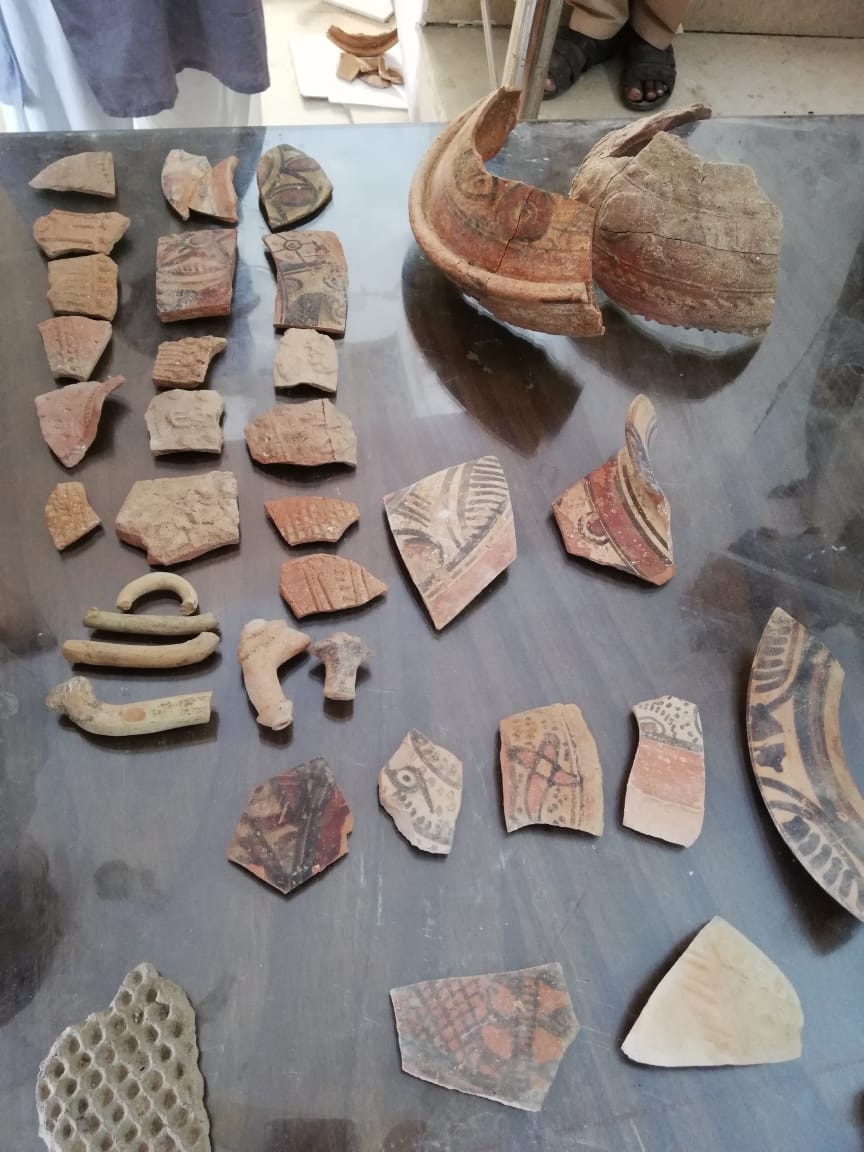


Undated photo of remains found during excavation of an archeological site of Brahmanabad in Sindh’s Sanghar district, Pakistan. (Photo Courtesy: Dr Ghulam Mohiuddin Veesar)


 Undated photo of remains found during excavation of an archeological site of Brahmanabad in Sindh’s Sanghar district, Pakistan. (Photo Courtesy: Dr Ghulam Mohiuddin Veesar)

“We have done both vertical and horizontal excavations so that we may know its cultural phases to determine when the settlement started, how long people were living there,” Veesar said.
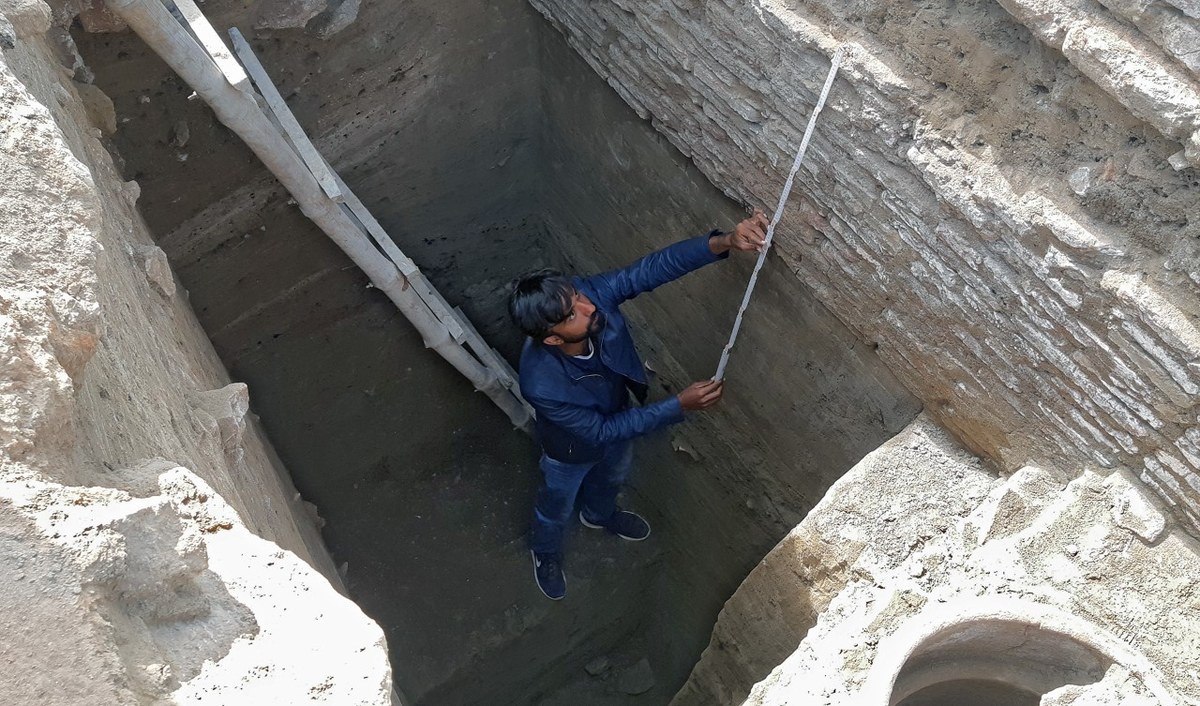
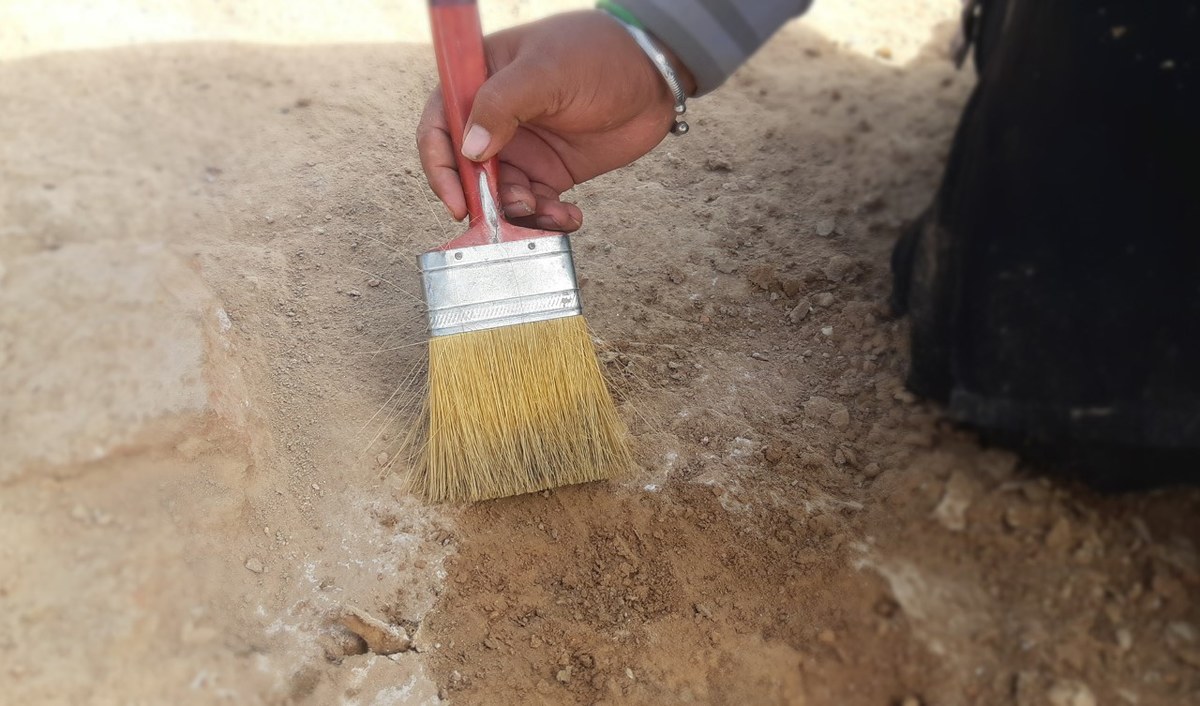


A member of an archeological team at an archeological site in Brahmanabad in Sindh’s Sanghar district, Pakistan, on January 14, 2021. (AN photo by Zulfiqar Kunbhar)


Excavation underway at an archeological site in Brahmanabad in Sindh’s Sanghar district, Pakistan, on January 14, 2021. (AN photo by Zulfiqar Kunbhar)

He said he believed further excavation could prove people lived in the area even before the third century AD. 
“Another important feature we found is that the whole settlement is established on a riverbed. They formed the settlement on mounds of natural silt sand dunes of river bed,” the professor said.



Undated photo of remains found during excavation of an archeological site of Brahmanabad in Sindh’s Sanghar district, Pakistan. (Photo Courtesy: Dr Ghulam Mohiuddin Veesar)

Syed Sardar Ali Shah, Sindh minister for culture, said the findings of the Brahmanabad excavation project were of “high importance.”
“It is a great achievement,” he told Arab News. “The detailed report is awaited, but in the future these findings can be helpful in connecting the linkage with other archaeological sites like Mohenjo Daro,” he added, referring to a World Heritage Site in Sindh, one of the best preserved in South Asia where visitors can see a well-planned city built of unbaked brick dating back to the beginning of the third millennium BC.


Pakistan PM takes notice of passenger offloading issue, forms committee to streamline immigration

Updated 10 sec ago
Follow

Pakistan PM takes notice of passenger offloading issue, forms committee to streamline immigration

  • Several passengers complained last month of being offloaded at airports despite having genuine travel documents
  • Committee comprising IT minister to be led by minister for overseas Pakistanis, submit report to PM within three weeks 

ISLAMABAD: Prime Minister Shehbaz Sharif has taken notice of reports of arbitrary offloading of Pakistani passengers at various airports and has constituted a 14-member committee to streamline immigration procedures, the Ministry of Overseas Pakistanis said this week. 

The development took place after several passengers last month complained they were being offloaded at various Pakistani airports despite carrying valid travel documents, drawing public ire on social media platforms.

These reports coincided with Islamabad’s crackdown on illegal immigration, which gained significant attention in Pakistan after the arrest of several Pakistani and foreign nationals at airports with forged documents in recent years.

As per a notification by the Ministry of Overseas Pakistanis seen by Arab News dated Dec. 15, Sharif has formed a 14-member committee comprising the federal IT minister, state minister for overseas Pakistanis, and secretaries of both ministries. The committee will be led by the federal minister for overseas Pakistanis. 

“A committee comprising the following members has been constituted to deliberate upon and implement measures for eliminating and minimizing human discretionary elements in the issuance and renewal of the Protectorate of Emigrants (POE) stamp for bona fide emigrants proceeding abroad,” the notification reads. 

A POE stamp is a mandatory government endorsement on a Pakistani passport that is required by a citizen traveling abroad for employment. 

The committee’s terms of reference (ToRs) include suggesting a “workable and end-to-end digitized process” for online issuance of POE stamps. It has also been tasked to undertake measures to develop a system to facilitate the online renewal of POE stamps.

The committee will suggest a mechanism to monitor workers’ satisfaction with the issuance, renewal of POE stamps and related immigration clearance arrangements.

“[Provide] recommendations for any other related measures which can improve the existing POE arrangements and bring them in line with international best practices,” it added. 

The notification said the committee will finalize its findings within three weeks and submit a report to the prime minister. 

Pakistan’s Interior Minister Mohsin Naqvi last month urged authorities not to offload passengers with valid travel documents. 

Pakistan has also intensified its crackdown against individuals accused of exploiting visas to solicit money in Saudi Arabia. 
Officials have warned the practice is damaging the country’s image and could affect genuine visa seekers, including religious pilgrims.