
JEDDAH: The lockdown period of 2020 gave many an opportunity to explore new things, and inspired many Saudis to become DJs. Arab News spoke to newcomers in the field and experts with years of experience.
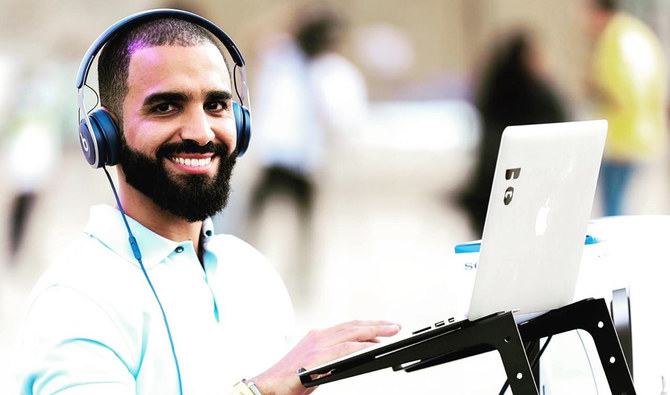
Saudi industrial engineer Abdulrahman Hakem, 30, has been a DJ for almost a year. “I was always interested in music, and I’ve always had a unique taste in music which made me want to explore being a DJ,” he told Arab News
He purchased a small DJ set and started to learn the craft.
“The lockdown period was a golden opportunity for me, to be free for a few months. I learned so much in my free time, from tutorial videos to programs, and I expanded my playlist,” he added.
Pointing to the social reforms and support from the Saudi General Entertainment Authority and Ministry of Tourism, Hakem said they provided local talents with many opportunities to enter the profession.
“Before the social reforms, we never heard of Saudi DJs or Saudis interested in the field of music, they were only a minority. Now we have many events and a DJ’s presence is required at any event,” he said.
He predicted that many Saudi DJs with great potential will emerge.
I think whenever we are given the time or opportunity, we are able to explore our creative side.
Viva
“The Kingdom is promoting tourism. We are still in the first step in tourism, a country such as Saudi Arabia is big and will have so many events in different areas,” he said, adding: “I see this as a golden opportunity for us Saudis to prove ourselves in this field.”
He added that tourism “will boost the economy in the coming years and we will constantly enhance the industry.”
Hakem said many Saudis are hesitant about becoming DJs, fearing a negative reaction in society, but he found that everyone he encountered respected him and his efforts. “No one tried to bring me down, I’ve only received love, encouragement and joy.”
No one tried to bring me down. I’ve only received love, encouragement and joy.
Abdulrahman Hakem
Hakem’s first supporters were his friends and family, who encouraged him to be enthusiastic about the field and learn more. He said that does not consider himself as someone who has reached the peak yet as he is still learning and improving himself.
The positive feedback he receives on social media brings him joy and encourages him to strive further. “Anyone who thinks about entering this field has my full encouragement and support.”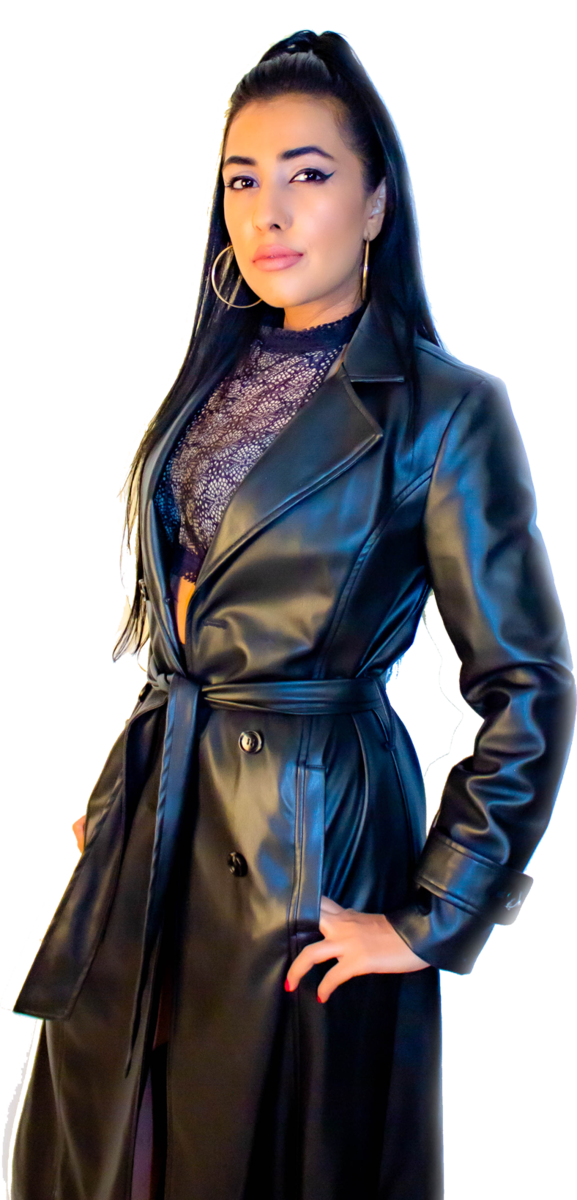
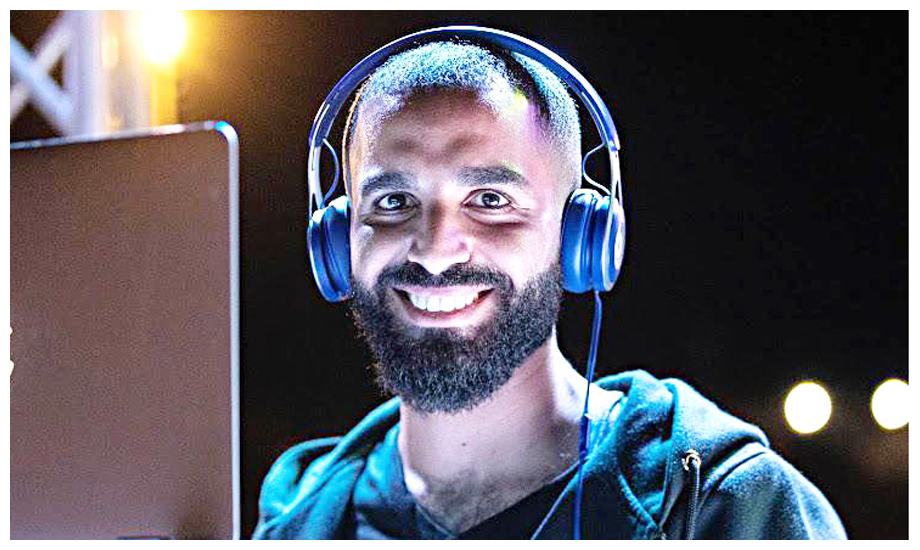
Egyptian-Saudi student and social media influencer Farouq Al-Adawi, 20, has been a DJ for seven months.
“In 2020, everyone was looking for new hobbies and activities. I loved music all my life and when it came to quarantine, lockdown introduced me to this new hobby,” Al-Adawi told Arab News.
Latin-Canadian and Saudi DJ Viva has been in the industry for just over two years. She is married to DJ Zerone, one of the first Saudi DJs who began in 1999.
“Quite a few ‘COVID-19 DJs’ were born in 2020,” she told Arab News. “I think whenever we are given the time or opportunity, we are able to explore our creative side and see what talents lie beneath the surface of our everyday lives, and the lockdown period provided that opportunity to many.”
She added: “People began reaching out for lessons in DJing and music production, and simply to inquire about a career.”
The artist highlighted the positive outcomes for music producers in 2020, with many finding it therapeutic. “The lockdown also provided many people who were just starting out with the time to practice and hone their skills, and now it’s great watching those individuals playing live and performing, and that’s an entirely positive outcome of the pandemic.”
DJ Viva recently did a remix collaboration with an artist called Nktorious from Riyadh, who said that she finds exploring the effects on a DJ mixer as “therapeutic in such chaotic times.”
She said she saw a rise in the number of women interested in trying DJing. “I believe it’s their time to shine. The Saudi music and entertainment industry has made leaps and bounds with the country’s new Vision 2030, all in a very short time frame. It’s great to see Saudi talent rising and being more respected.”