




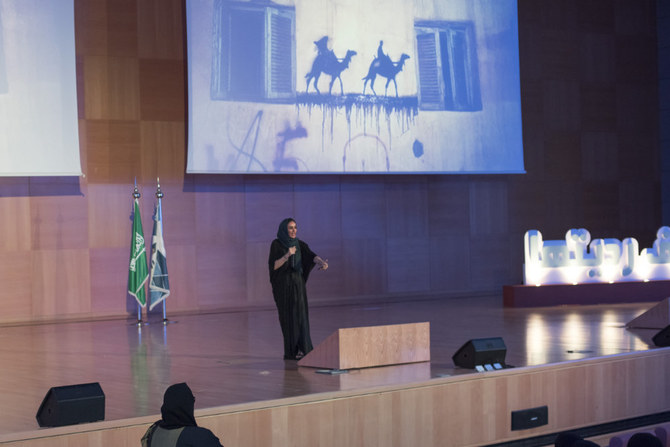

DUBAI: Small acts of kindness can go a long way. Taking this wise adage to heart, one young Saudi has created a social initiative that encourages people to perform good deeds — and the beneficiaries to repay the kindness to others instead of to the original benefactor.
Pay It Forward is a worldwide social initiative active in more than 80 countries. First established in Australia over a decade ago, it took its inspiration from the 1999 novel by American author Catherine Ryan Hyde and the movie adaptation of the same name, in which a schoolboy creates a goodwill movement.
Basma Altwejri, 26, brought Pay It Forward to Saudi Arabia in March 2016 to help change perceptions of giving and day-to-day acts of kindness.
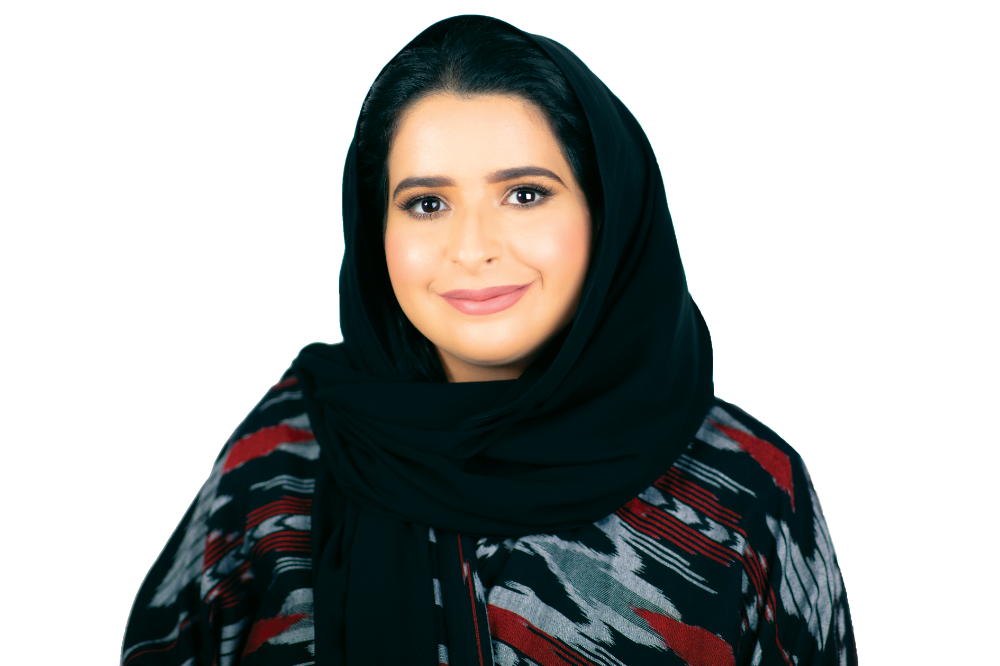
Riyadh-born Basma Altwejri, 26, brought Pay It Forward to Saudi Arabia to help change perceptions of giving and day-to-day acts of kindness. (Supplied)
“It’s an international movement,” Riyadh-born Altwejri told Arab News. “The circle continues and it’s more of a habit and a mindset of ‘whenever I can help, I should, without expecting anything back.’”
Indeed, Altwejri draws her inspiration from a hadith (saying or custom of Prophet Muhammad and his companions): “The most beloved deed to Allah is the most regular and constant even though it were little.” Her parents also set a strong example for compassionate behavior.
“If there was a family celebration, I always noticed my mother would go earlier to help,” Altwejri said. “She never said it, but you noticed the little things such as feeding a stray cat near the house. So, you grow with these habits.”
It was during her high school years while volunteering that Altwejri realized that many people view good deeds as a mere transaction rather than as an automatic habit of daily life. “I wanted to change this mindset and to see people do good whenever they could,” she said.
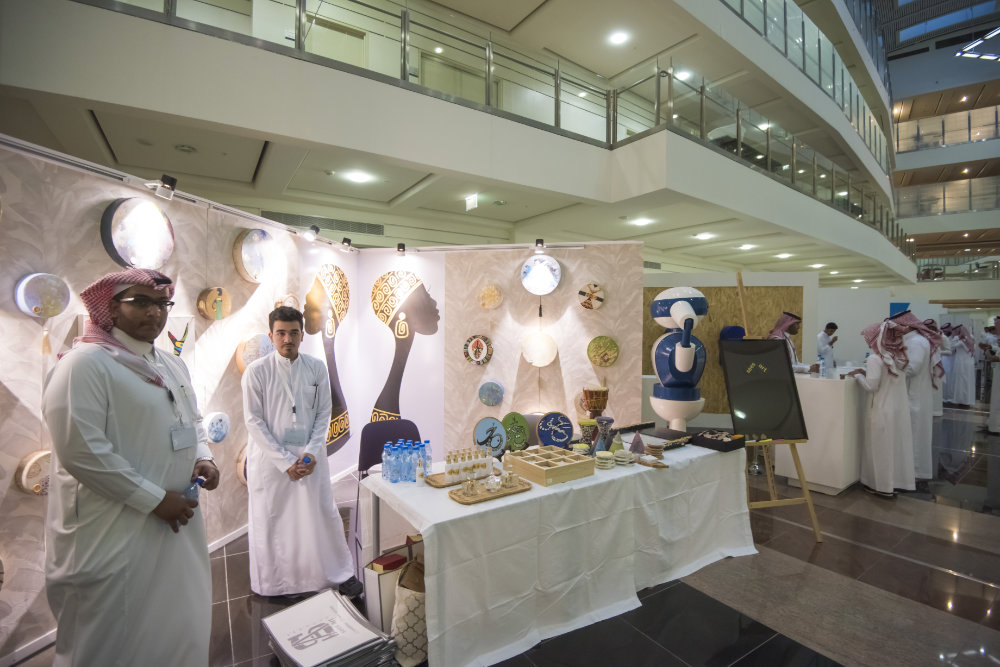
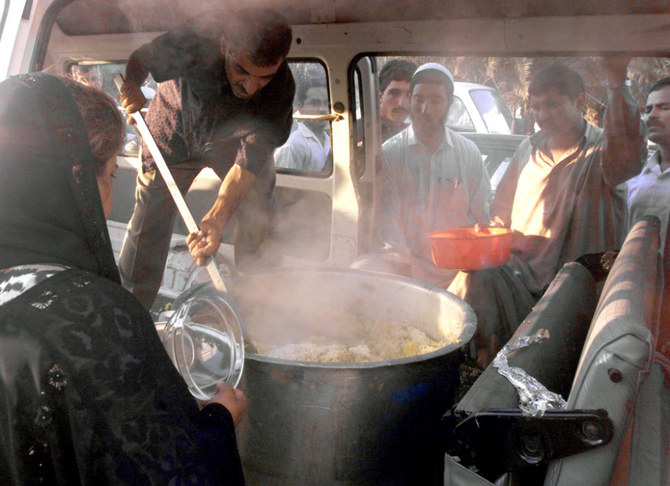
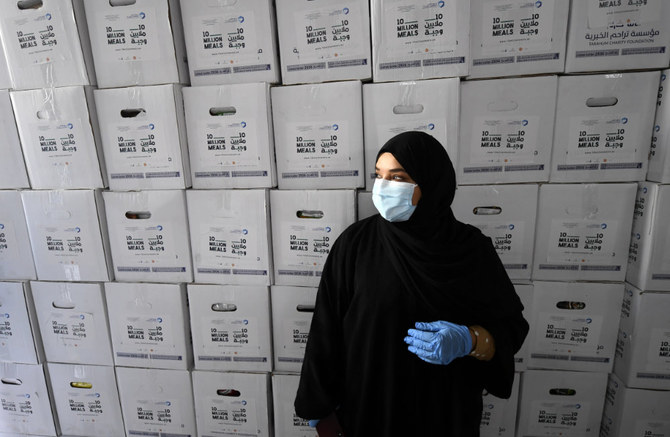
Seeking out NGOs on social media, Altwejri began dedicating much of her spare time to volunteer work, distributing food parcels, supporting cancer patients and helping people with disabilities.
After university, she began interning at 10KSA, a Saudi NGO under the leadership of (currently the Saudi Ambassador to the US) Princess Reema bint Bandar, which supports holistic health initiatives including breast cancer awareness. In 2015, 10KSA entered the Guinness Book of Records for the world’s biggest humanitarian ribbon, composed of 8,264 Saudi women dressed in pink scarfs.
“I was really amazed because, when you volunteer for small NGOs, you don’t see work at such a scale,” Altwejri said. “I started noticing that I have some of the skills that might enable me to start my own initiative. So, I started Pay It Forward two months later.”
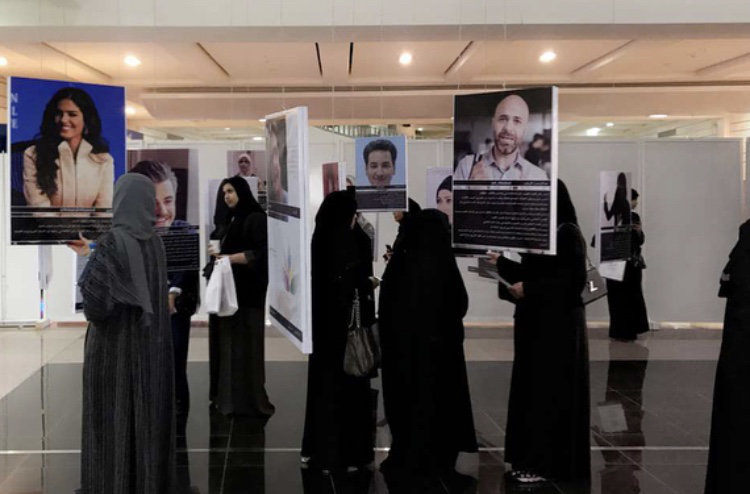
After drafting a basic plan, Altwejri took on her first local project to raise awareness about the concept of paying forward good deeds. “We had a calendar and, each day, we had a simple act of kindness that anyone could do,” she said.
Printable cards available in English and Arabic on the group’s website offer examples of benevolent acts people can slot into their day. They can be anything from seemingly small gestures such as bringing a colleague a cup of coffee, feeding a stray animal on the street or calling up a friend to ask if they need help. Others suggest bigger commitments, like distributing food to needy households, visiting patients in hospital or donating money.
FASTFACT
The expression “pay it forward” gained fame from Catherine Ryan Hyde’s 1999 novel and later the movie of the same name, Pay It Forward.
A separate series of cards was produced for the holy month of Ramadan — a time of giving and generosity — encouraging people to help with iftar preparations, to attend mosques and to read the Quran.
“We did it through our social media account and encouraged people to participate,” said Altwejri. “I personally thought we wouldn’t succeed due to the lack of marketing exposure, but many influencers participated in a number of social activities and it was a success from there, which enabled us to do more.”
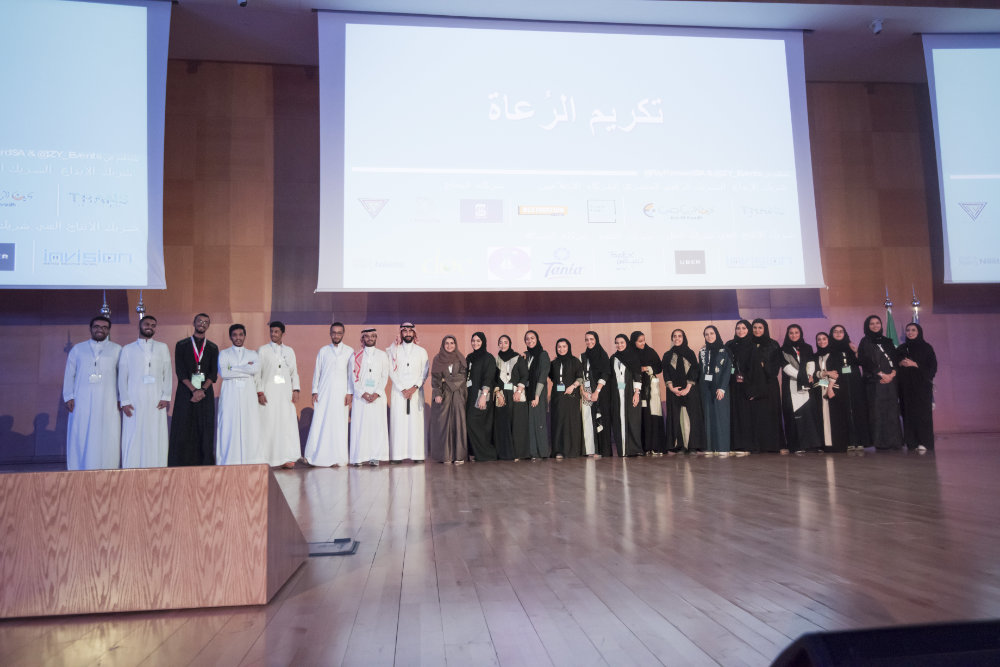
The movement is gaining traction in the Kingdom. In 2020, Pay It Forward was involved in 10 projects and collaborations, hosting local artists at a gallery and donating the sales proceeds to a child in need or taking part in arts and crafts activities to create gifts for loved ones.
Thanks to administrative reforms in Saudi Arabia designed to boost startups and social enterprises, Altwejri says it is now becoming much easier to set up such initiatives.
“There wasn’t much detail on the legal framework (of setting up your own initiative) back then, but now, government entities themselves work really hard to simplify the details and the process and support us throughout,” she said.
This is an important development for Saudi Arabia, where there is currently just one non-profit social organization for every 10,000 people, compared to about 50 in Canada and the US and 200 in France, according to PwC.
The consultancy sees social enterprises as a promising way to help the Kingdom achieve the ambitious economic transformation outlined in its Vision 2030 development plan. Such initiatives have also proved their worth during the COVID-19 pandemic, where social enterprises have stepped in to help needy communities in areas underserved by governments and businesses.
To share her experiences and help others start their own initiatives, Altwejri published an Arabic-language book titled “From Society for Society,” which draws together the views and advice of other seasoned campaigners.
“I interviewed 16 local advocates, many of whom focused on sheltering animals, supporting cancer patients and providing job opportunities for the disabled,” she said. “The last chapter described a model of how you can plan for your own social enterprise.”
Altwejri is now building on the book’s success by offering free workshops and consulting services for small community groups. Other services are paid for to help cover running costs or as donations. The idea is to help groups overcome administrative and strategic hurdles and to forge potential partnerships with existing entities to reach their goal more efficiently.
Recent workshops have explored ways people can volunteer creatively and how to lead a successful social media marketing campaign in the local context. “There are many ‘how to’s’ specific for NGOs and not many for Arab countries,” Altwejri said.
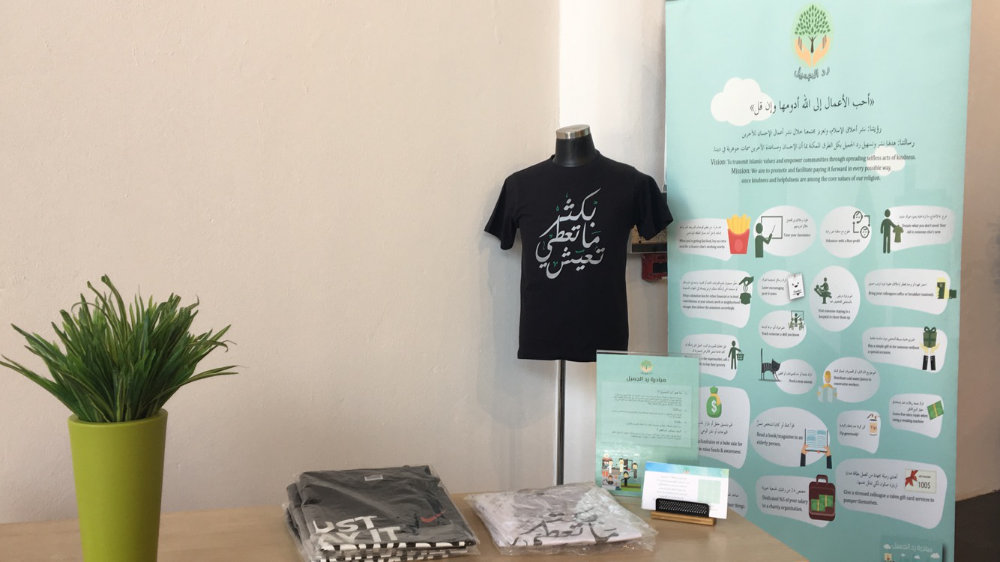
Ultimately, Altwejri’s aim is to encourage and guide others to leave a positive mark on their community. “Such work is important in Saudi Arabia and throughout Arab countries because there are a lot of people who want to do good, either for religious reasons or because of their generosity, but they’re not sure how to make a significant impact,” she said.
“They’re interested but need guidance or encouragement. So, Pay It Forward encourages them to be that person who enables others in their community to do more and be better. If I just send the brochure, they might be a bit lazy to do it, or they may postpone it, but if you encourage them to do it now, they will,” she said.
“I believe in it. Even if my career shifts in a different direction, Pay it Forward will always be a big part of my life.”
-------------------
Twitter: @CalineMalek


